Tokyo
Tokyo Bangkok
 Seoul
Seoul Singapore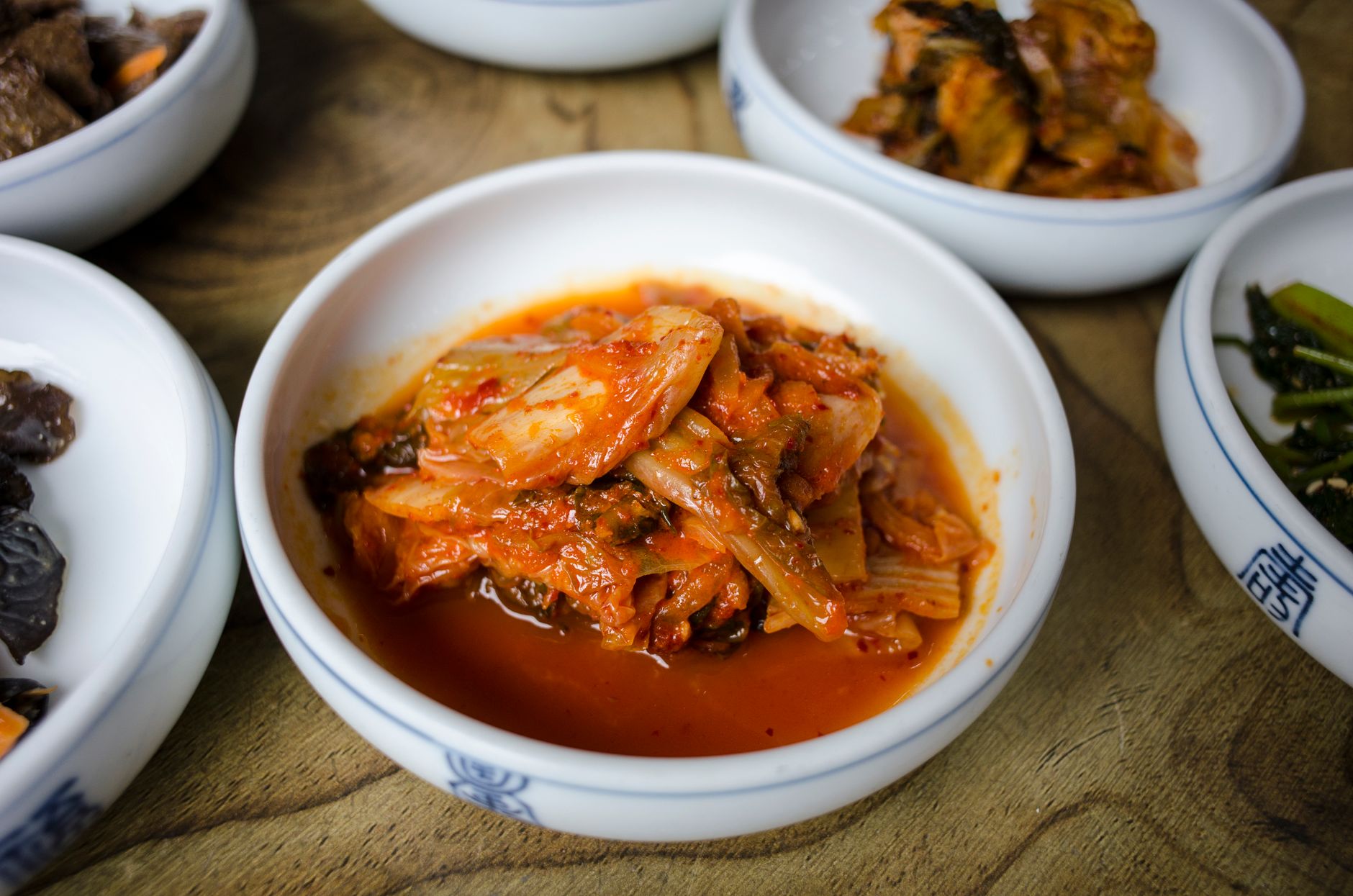
Make Bindaetteok at Home: Korean Mung Bean Pancakes
Bindaetteok puts most dumplings to shame, yet you’ll rarely find it outside Seoul. This mung bean pancake—crispy edges, creamy center—deserves the spotlight, not just a side dish role. Master the technique and you’ll be whipping up batches on random weeknights, just like the street vendors in Jongno-gu.
Why Mung Beans Matter More Than You Think
Bindaetteok lives or dies by its beans—use hulled dried mung beans, not whole ones. Whole beans turn grainy; hulled ones create that perfect creamy texture. Soak 1 cup of hulled mung beans in cold water for 4-6 hours (overnight works if you’re planning breakfast). The soak softens them enough to blend without cooking, which would ruin everything.
Drain well, then pulse the beans with just 3-4 tablespoons of water until you get a thick, slightly grainy batter. Add 1 teaspoon salt, ½ teaspoon sugar, and black pepper. The batter should pour slowly. Ignore recipes calling for flour or egg—real bindaetteok uses only the beans’ natural starch.
Building Layers: Vegetables and Kimchi Strategy
The filling makes or breaks it. Slice 2 cups of mung bean sprouts and 1 zucchini into thin matchsticks. Finely chop half a small onion. If using kimchi (and you should), chop 1 cup and squeeze out excess liquid with paper towels—no one wants a soggy pancake.
Fold the vegetables gently into the batter. Some add minced meat, but that’s optional and makes it heavier. The veggie version served at places like Tosokchon lets the beans shine. Heat 2 tablespoons oil in a 10-inch non-stick pan over medium-high. When hot, pour in enough batter for a thin ¼-inch layer. Better to make 2-3 small ones than one giant pancake.
The Critical Flip and Sauce Pairing
Cook 4-5 minutes until the bottom turns deep golden with crispy edges. Don’t peek too soon. Flip and cook another 2-3 minutes until both sides match. Slice immediately.
For dipping: mix 3 tablespoons soy sauce, 1 tablespoon rice vinegar, 1 teaspoon sesame oil, plus garlic and gochugaru to taste. A little honey works too. The sauce should be sharp enough to cut through the richness. Gochujang on the side is also great.
Bindaetteok hits that sweet spot between quick pajeon and fussy jeon. Takes 20 minutes after soaking. Eat it while the edges still crackle—that’s half the joy.