Tokyo
Tokyo Bangkok
 Seoul
Seoul Singapore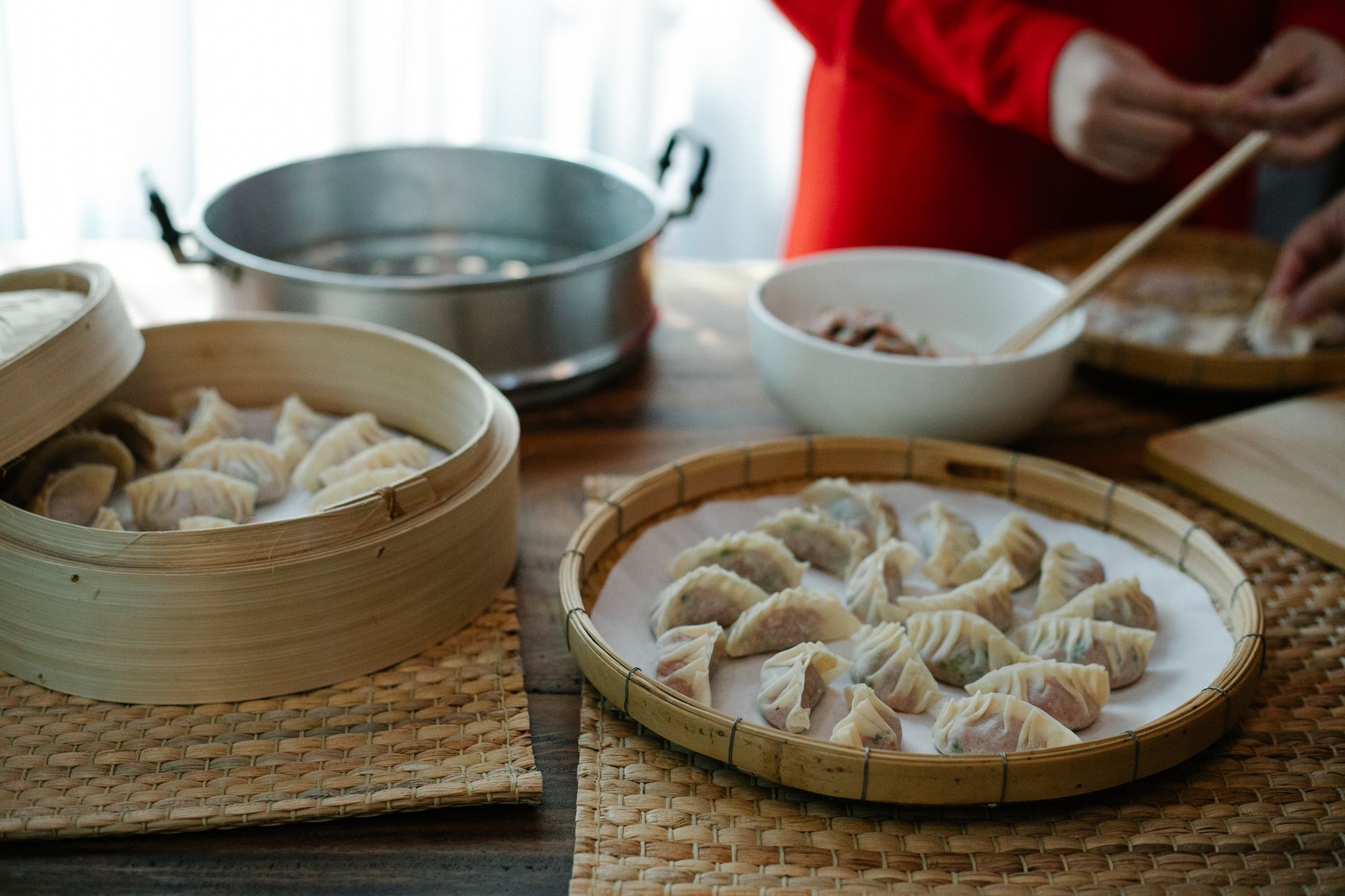
Chinese Dumpling Dough: Hot Water vs Cold Water Method
At dawn in Shanghai’s Jing’an District, steam rises from massive metal pots. Wooden spoons scrape against worn woks. That familiar hiss when a ladle hits hot oil? Pure breakfast music. One particular dumpling stall has been operating since 5 a.m., where an elderly woman folds pleats into translucent wrappers with effortless precision. No measuring. No recipe. Just decades of instinct. It all starts with one simple choice: hot water or cold water for the dough.
The Hot Water Dough: Tender, Chewy, and Street-Stall Standard
Across Chengdu, Beijing, and Guangzhou, one thing’s clear—hot water dough rules street stalls. In Chengdu’s Kuanzhai Xiangzi alley, vendors pour boiling water straight into flour, mixing with chopsticks until shaggy. The heat changes the starch, creating dough that’s surprisingly forgiving. No tearing. No frustration.
What you get: wrappers with a satisfying chew. They stretch without splitting, even when folded fast. Perfect for beginners. Try 1 cup flour with ¾ cup boiling water. Knead for five minutes until smooth—it should feel like a soft earlobe. This method saves so many home cooks from disaster.
The Cold Water Dough: Crisp, Delicate, and Demanding
Hong Kong’s dim sum spots tell a different story. There, chefs mix flour with cold water and salt, kneading for ten full minutes. No shortcuts. The dough develops serious elasticity since cold water doesn’t alter the starch. But it’s fussy.
The reward? Wrappers with a delicate crispness. They hold shape beautifully when steamed or fried. Downside: they tear easily if handled roughly. Mix 1 cup flour with ⅓ cup cold water and ¼ teaspoon salt. Knead thoroughly, then let rest 30 minutes. This is for when you’re ready to level up.
Which One Should You Actually Make?
After watching countless dumpling makers work from Sichuan to Shanghai, here’s the truth—start with hot water dough. It’s forgiving. Fast. Delicious. Cold water dough has its place, but demands skills that take time.
The real lesson? Both methods matter. Hot water gets you great results fast. Cold water offers control once you’ve practiced. Most pros use hot water daily, saving cold water for special occasions. Begin where success comes easy. Experiment later.