Tokyo
Tokyo Bangkok
 Seoul
Seoul Singapore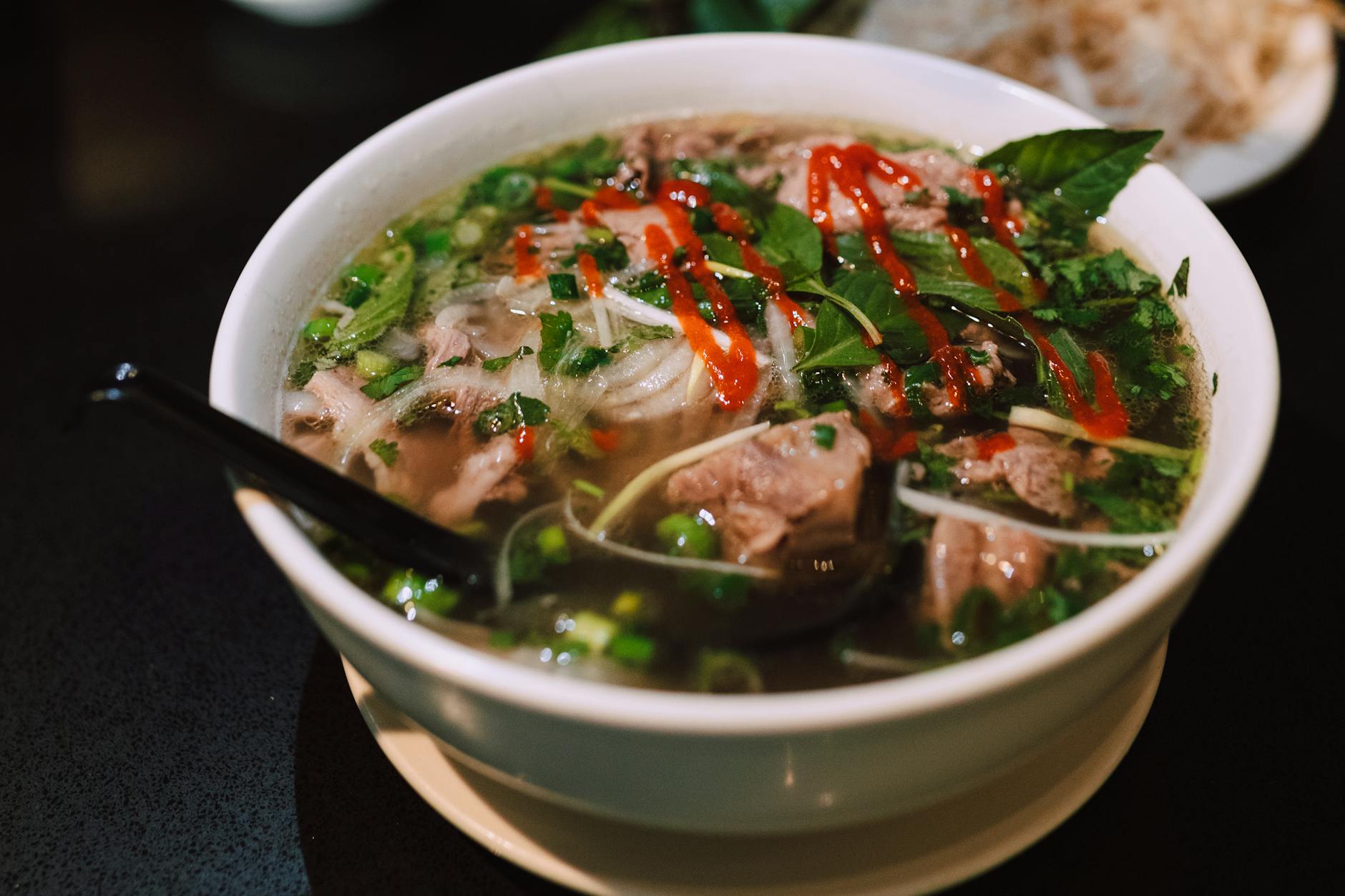
Why Vietnamese Food Is So Healthy: Fresh Herbs, Pho Broth & Low Oil

Watching my neighbor Linh make pho at dawn in Hanoi changed everything. No cream, no butter—just beef bones, ginger, and patience. That pot taught me Vietnamese food isn’t healthy by accident. It’s built that way from the ground up.
Here’s the thing about Vietnamese cooking—what matters is what’s in the bowl, not what’s added to fake richness. After years observing kitchens from Ho Chi Minh City to Hue, one truth stands out: health isn’t an afterthought. It’s the whole point.
Pho Broth: Why 12 Hours Beats Shortcuts
Pho broth tells you everything. In Hanoi’s Old Quarter, pots start simmering overnight. Just bones, charred onion, ginger. No stock cubes. No cheating.
Time works magic. Twelve hours pulls collagen and minerals from bones naturally. No need for added fat when the broth itself delivers depth. Taste it and you’ll understand—Vietnamese cooks don’t rely on butter because they don’t have to.
Health-wise? You’re getting real gelatin and amino acids straight from bones. Skim the fat after the first hour and you’ve got pure nourishment. Pro tip: Make a big batch Sundays. Freeze it. Game changer for weeknight cooking.
Fresh Herbs: The Secret Behind That Light Feeling
Visit any Vietnamese market—Ben Thanh’s a perfect example—and you’ll see herbs aren’t decoration. They’re essentials sold by the armful. Thai basil. Mint. Sawtooth coriander.
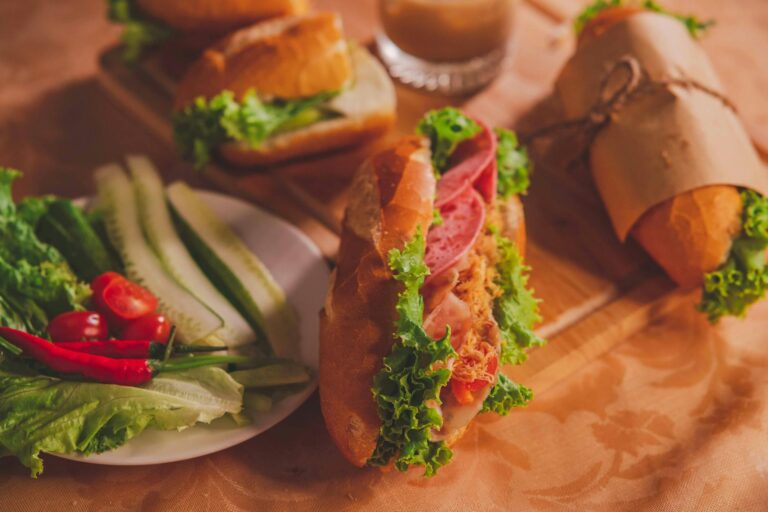
These do what Western cooking often misses: add layers of flavor without fat or calories. Toss them into pho or bánh mì and the dish transforms instantly. No extra oil needed when herbs bring this much punch.
Bonus? They help digestion. Mint soothes stomachs. Cilantro reduces bloating. Locals know this instinctively—that’s why every meal includes handfuls. Keep some growing at home. You’ll use them daily.
Cooking Technique: Where Oil Barely Matters
Watch a street vendor in Da Nang stir-fry. They might use one teaspoon of oil for a whole pan of veggies. The trick? Blazing heat. Quick hands. Total confidence.
Vietnamese cooking lets fish sauce, lime, and herbs carry flavor—not grease. At home, crank your burner high. Toss aromatics fast. Vegetables stay crisp. Everything tastes cleaner.
Result? Food that satisfies without weighing you down. Real nutrients. No oil slick.
Start simple: grow herbs. Make broth. Two steps that’ll change how you cook—and how you feel after eating. Vietnamese food doesn’t overcomplicate things. It just makes sense.