Tokyo
Tokyo Bangkok
 Seoul
Seoul Singapore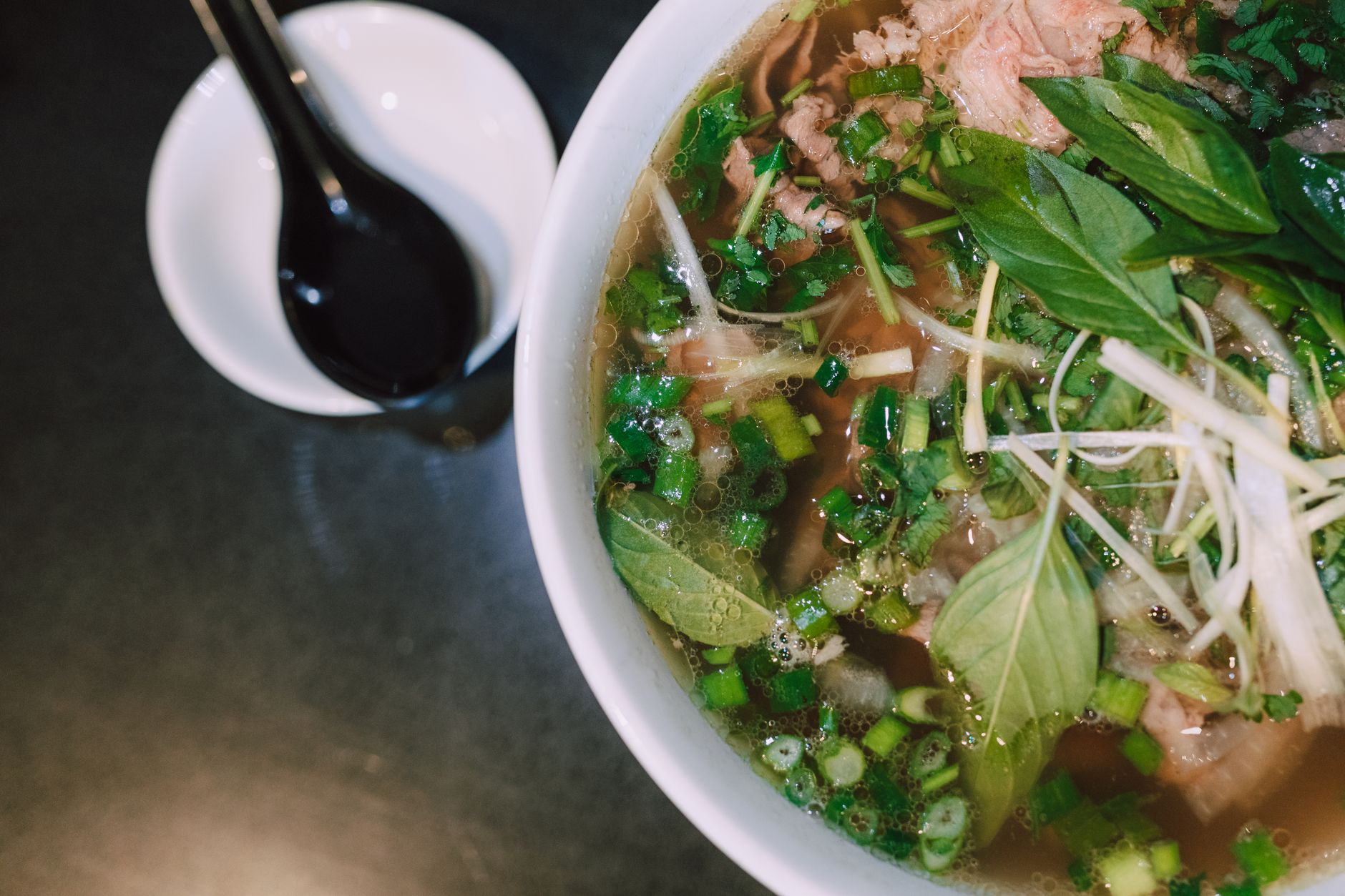
Vietnam for Beginners: What to Eat and How to Order It

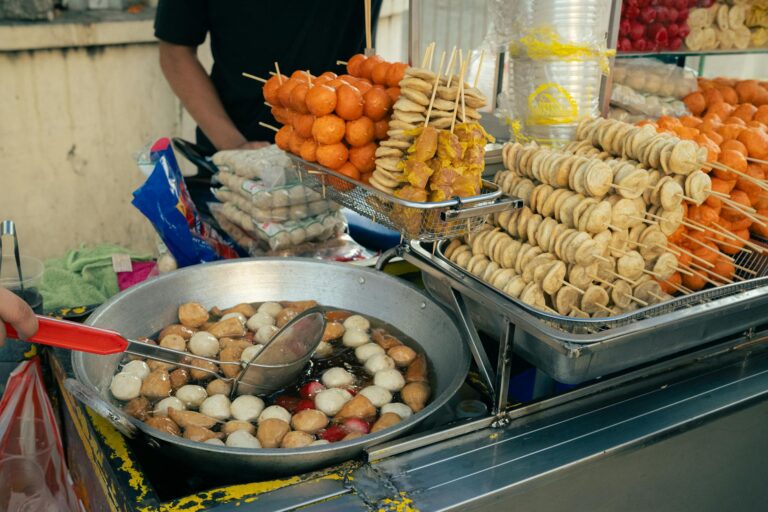
Heading to Vietnam and not sure where to start eating? Vietnam is a street-food paradise built for curious beginners: pull up a tiny plastic stool, point at what the person next to you is having, and you’ll eat some of the best food of your life for a couple of dollars. This guide walks you through what to order, how the stall culture works, and the handful of rules that make it all click.
What to eat first: your starter 8
| Dish | What it is | Rough price | Where to find it |
|---|---|---|---|
| Pho | Aromatic beef or chicken noodle soup — the national dish | ₫40,000–70,000 | Pho specialists, morning to night |
| Banh Mi | Crispy baguette stuffed with pork, pate, pickles, and herbs | ₫20,000–40,000 | Street carts everywhere |
| Bun Cha | Grilled pork with rice noodles, herbs, and dipping broth (Hanoi) | ₫40,000–60,000 | Hanoi lunch spots |
| Goi Cuon | Fresh (not fried) spring rolls with shrimp, pork, and herbs | ₫30,000–50,000 | Street stalls, markets |
| Com Tam | Broken rice with grilled pork chop, egg, and pickles (the south) | ₫35,000–55,000 | Rice eateries, Ho Chi Minh City |
| Banh Xeo | Crispy turmeric crepe folded over pork, shrimp, and beansprouts | ₫40,000–70,000 | Casual specialty shops |
| Bun Bo Hue | Spicy lemongrass beef noodle soup from central Vietnam | ₫40,000–60,000 | Hue and central-style shops |
| Ca Phe Trung | Egg coffee — a rich, custardy Hanoi specialty | ₫25,000–40,000 | Old Quarter cafes |
How to order: the part first-timers fear (and shouldn’t)
- The plastic-stool stalls are the good stuff. Small stools, one dish, a crowd of locals — that’s the sign of great food. Sit down and someone will come to you.
- Point at what others are eating. Most stalls do a single specialty, so ordering is as easy as nodding.
- Com binh dan (rice eateries) work like a buffet: point at the dishes in the display case and they’ll plate them over rice.
- Add your own herbs. Pho and many dishes come with a plate of herbs, lime, chili, and beansprouts — tear the herbs in and adjust to taste.
- Prices are often unlabeled. A quick “bao nhiêu?” (how much?) before you sit avoids surprises.
New to the menu terms? Our Vietnamese Menu Decoder explains what you’ll see.
Etiquette: the do’s and don’ts
- ✅ Hold your bowl close and use chopsticks with the spoon for noodle soups.
- ✅ Wait to be seated at busy stalls, then share tables — it’s normal.
- ✅ Herbs, lime, and chili are yours to add — season the dish yourself.
- ❌ Don’t stand chopsticks upright in a bowl of rice.
- ❌ Tipping isn’t expected, though it’s a kind gesture at sit-down places.
Is it safe? Hygiene and water
- Street food is safe when it’s busy. High turnover means fresh ingredients cooked to order — follow the crowds.
- Drink bottled water, sealed. Don’t drink the tap.
- Ice is generally fine in cities, where cafes and stalls use factory ice.
What a day of eating actually costs
| Meal | Local-style option | Cost |
|---|---|---|
| Breakfast | Pho or a banh mi | ₫30,000–60,000 |
| Lunch | Com tam or a rice-eatery plate | ₫40,000–60,000 |
| Dinner | Bun cha or several street dishes | ₫60,000–120,000 |
| Typical day | ₫130,000–240,000 (~$5–10) |
Vietnam is astonishingly cheap to eat well in — the street is where the magic (and the value) is.
Eating with dietary restrictions
- Vegetarian / vegan: Easier than most of Asia thanks to strong Buddhist tradition. Look for “quán chay” (vegetarian eateries) — the food is excellent. Otherwise, fish sauce and broth are widespread.
- Halal: Limited but present in bigger cities and Cham Muslim communities.
- Allergies: Peanuts, shellfish, and fish sauce are everywhere — carry a translation card.
Where to eat: the types of places
- Plastic-stool street stalls — the heart of Vietnamese eating.
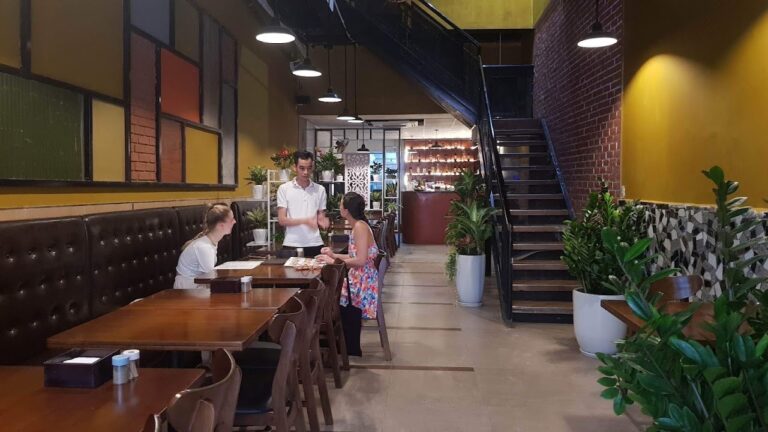
- One-dish specialists — a shop that makes only pho, or only bun cha, all day.
- Com binh dan — point-and-pick rice eateries for a cheap, balanced meal.
- Markets — Ben Thanh (HCMC) and Dong Xuan (Hanoi) for snacks and fruit.
Survival phrases
| Vietnamese | Meaning |
|---|---|
| Cho tôi… | Give me… (point after) |
| Bao nhiêu? | How much? |
| Ngon quá | Very delicious |
| Không cay | Not spicy |
| Chào | Hello |
| Cám ơn | Thank you |
Avoiding tourist traps
- Ask the price before you order at stalls without a menu — a few overcharge tourists.
- Ben Thanh Market is pricier and pushier than street stalls; haggle, or eat outside it.
- Watch for the “friendly local” walk-and-carry photo prop and shoe-repair overcharge routines in tourist zones.
You’re ready
That’s the whole playbook. Grab a plastic stool, point at the busiest pot, add your own herbs, and ask the price first. When you want more, browse our Vietnamese food guides — every pick verified against real Google Maps ratings.