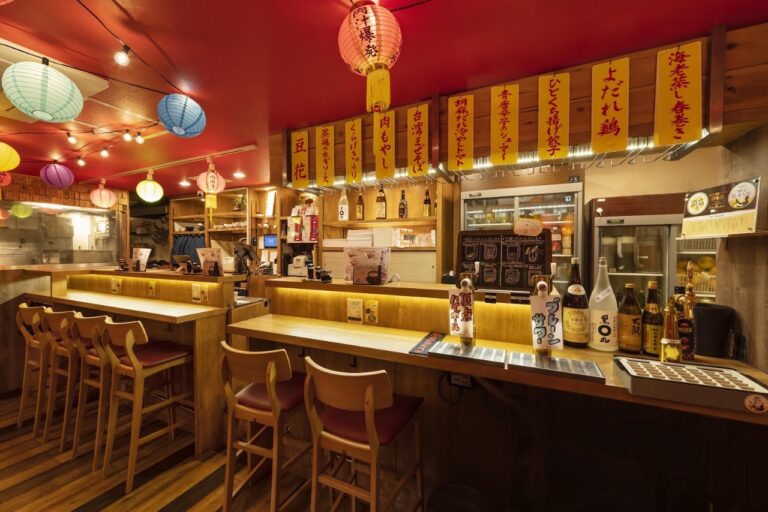
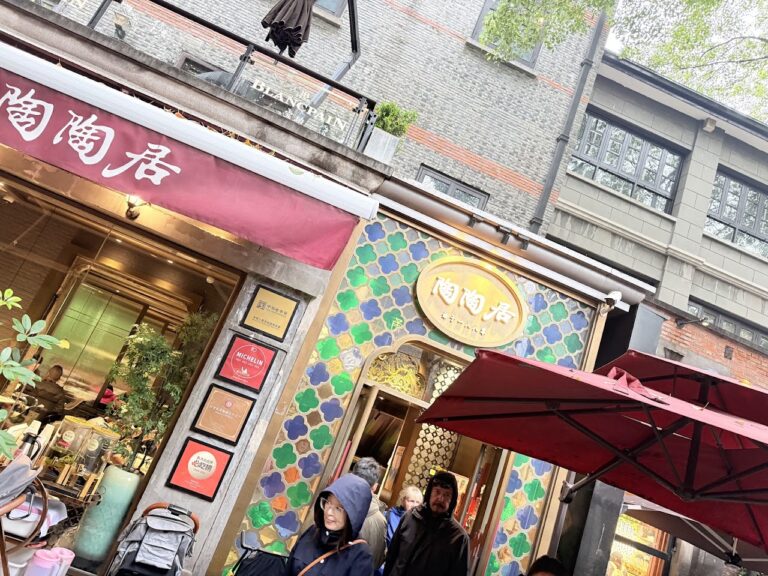
Tokyo
Tokyo Bangkok
 Seoul
Seoul Singapore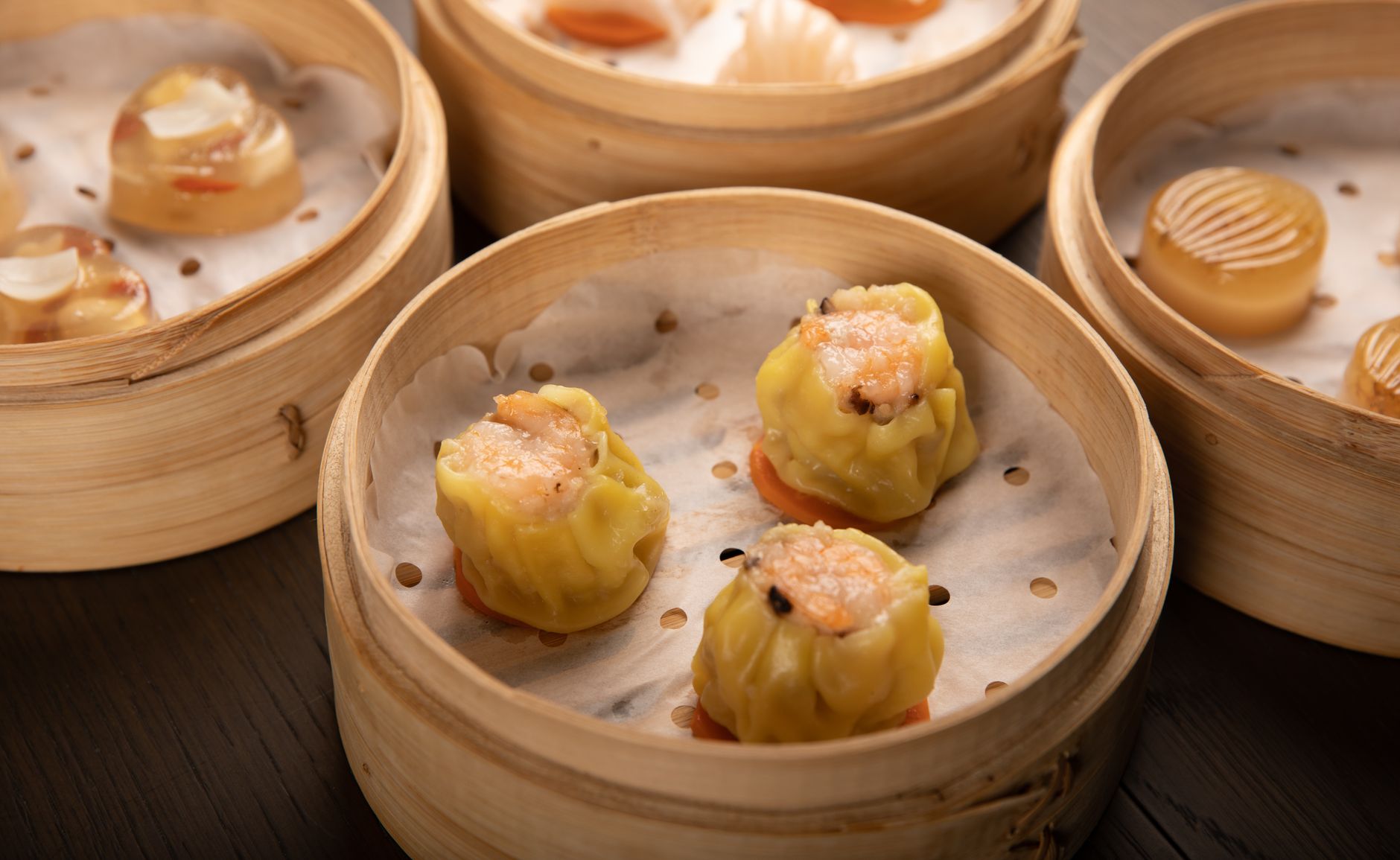
Hong Kong Food Guide: Dim Sum, Night Markets & Roast Meat

Hong Kong’s food scene isn’t here to impress you—it’s here to feed you. Skip the fancy Central spots; the real magic happens in places where the plastic chairs haven’t been replaced in decades and nobody bats an eye at sauce stains.
Dim Sum Is Breakfast, Not a Performance
Dim sum isn’t museum food. It’s quick, filling, and meant to be shared over loud conversations and clattering plates. A proper morning dim sum feast—and yes, morning matters—runs HK$50-100 per person. Think plump har gow, juicy siu mai, and char siu bao that put all other pork buns to shame.
Here’s how to spot good dim sum: watch the steamers. If they’re not flying out of the kitchen every few minutes, you’re eating yesterday’s leftovers.
Lian Feng Lou and Tim Ho Wan: Where to Actually Go
Lian Feng Lou in Sheung Wan starts serving before sunrise. Their har gow skins are so thin you can count the shrimp inside. The siu mai? Pure porky goodness. No frills, no waiters, just point at what you want and make room for the next group.
Tim Ho Wan got famous for a reason—their char siu bao really is that good. But go late afternoon when the crowds thin. The Michelin star doesn’t matter as much as the fact they still care about each dumpling.
Dim Sum Square in Causeway Bay shakes things up with conveyor belts instead of carts. Sounds weird? It works. The food’s fresh, the pace is fast, and nobody’s pretending this is fine dining.
Night Markets Aren’t Tourist Attractions—They’re Where People Eat Dinner
Temple Street Night Market draws camera-wielding crowds, but don’t let that stop you. The squid vendor didn’t start grilling yesterday—he’s been perfecting that HK$30 portion for twenty years. Fish balls come skewered or swimming in broth. No fuss, just flavor.
For fewer selfie sticks, try Ap Liu Street Night Market. Their claypot rice—crispy-bottomed and steaming hot—costs HK$35-45. Choose chicken, sausage, or mushrooms, then scrape every last bit of crust from the pot.
Roast Meats Are Why You’re Really Here
Hong Kong’s roast meats don’t need fancy descriptions. Char siu, siu yuk, roast duck—it’s all about perfect execution. Half a pound of crackling pork belly will set you back HK$80-120. Worth every cent.
Yat Lok in Central lives up to the hype. Their roast duck skin shatters like glass, revealing juicy meat beneath. Pair it with rice and soup. Done.
Kau Kee in Sheung Wan flies under the radar. Their roast pork comes with the ideal ratio of crisp to tender, made by someone who’s been at this longer than most chefs have been alive.
The Honest Truth Nobody Wants to Hear
Hong Kong’s food landscape is changing fast. Rent hikes and retirements mean some of these spots won’t last. This isn’t nostalgia—it’s reality. Eat at the places with worn tabletops and harried servers. That’s where the good stuff is.
Set your alarm for Lian Feng Lou at dawn. Stuff yourself silly for HK$70. Walk out full and happy. That’s Hong Kong.