Tokyo
Tokyo Bangkok
 Seoul
Seoul Singapore
We Compared TikTok Food Videos to Google Maps Ratings in Hong Kong. Here’s the Truth.

Hong Kong’s food scene is drowning in Instagram clichés. Perfectly lit egg tarts with their golden crusts. Dumplings so translucent you can see the shrimp inside. Char siu bao buns oozing glossy pork. The catch? Social media has flattened the city’s food culture into a handful of photogenic bites—most travelers end up chasing a fantasy.
The gap between viral hits and what’s actually worth eating? Massive. We dug into Google Maps ratings, Reddit threads, and local recs to see what holds up. The results? Surprising, sometimes frustrating, always revealing.
Hong Kong According to TikTok
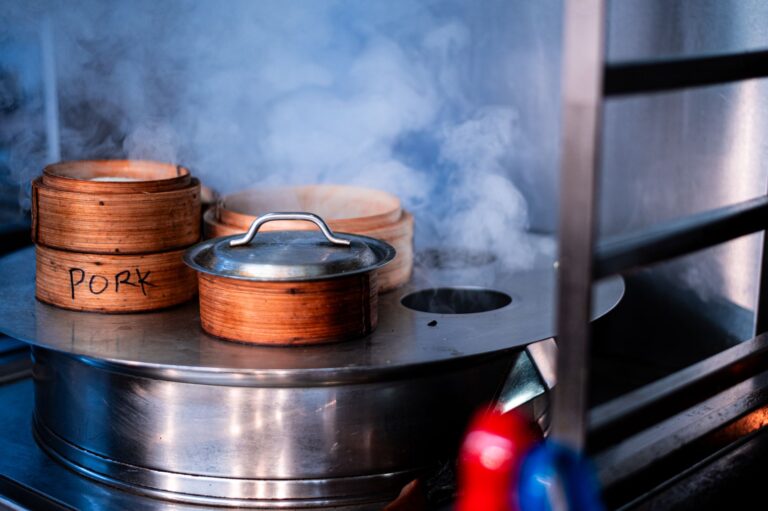
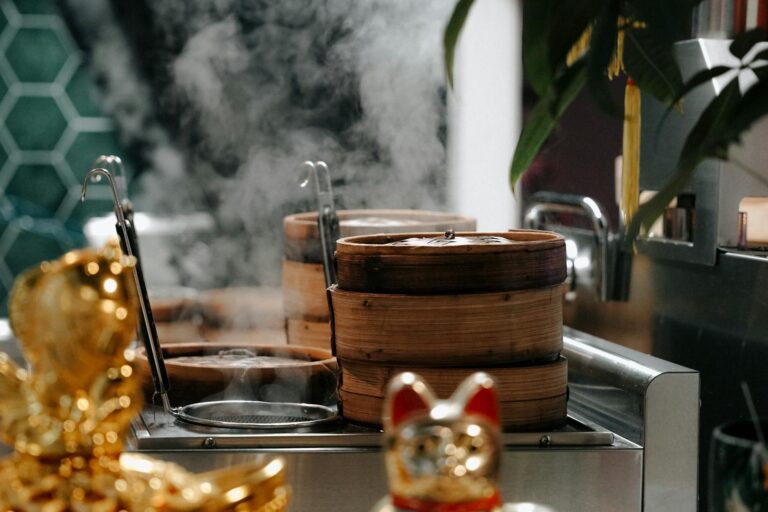
If TikTok ran Hong Kong, the menu would be five items long: egg tarts, har gow, char siu bao, fish ball soup, and milk tea. These dishes dominate because they’re visual catnip—easy to film, easy to crave in a 15-second clip. They also happen to look identical everywhere, which helps the algorithm.
Portuguese egg tarts, especially from Lord Stow’s or its knockoffs, have become Hong Kong’s edible mascot. That contrast of flaky crust and wobbly custard? Pure camera bait. Videos of people cracking into them get millions of views. Comments scream, “I NEED THIS.”
Dim sum gets the same treatment. Har gow’s pleated wrappers. Siu mai’s delicate folds. Char siu bao’s Instagram-friendly cross-sections. They fuel the myth that Hong Kong is a place where every random restaurant serves life-changing food. Reality’s messier.
What’s missing? Anything that doesn’t photograph. Noodle shops with decades-old broths. Wonton spots that don’t bother with plating. Fish ball soup goes viral for its bouncy texture, but the real magic—the broth simmered for half a day—doesn’t translate to video.
What the Ratings Actually Say
Here’s the twist: top-rated dim sum joints aren’t the ones blowing up on TikTok. Tim Ho Wan, the “cheapest Michelin-starred” spot, hovers at 4.2 stars with complaints about shrinking portions and tourist crowds. The star’s still there, but the vibe’s gone.
Meanwhile, dim sum spots in Central or Kennedy Town—Dim Sum Square, local teahouses—pull 4.6+ stars. No hype, just better food. Google Maps proves a direct link: the less international buzz, the higher the ratings.
Egg tarts follow the same script. Lord Stow’s sits at 4.3 stars, but reviews call them “overpriced” and “too sweet.” Smaller bakeries no one films? Consistently 4.5+. Turns out, a good egg tart isn’t rare—just the marketing around it.
Viral fish ball soup spots average 3.8-4.1 stars. Reviews say “overhyped” or “just okay.” Meanwhile, unphotogenic street stalls—beef noodles, wontons—hit 4.7. The pattern’s obvious: pretty food gets crowds, real food gets regulars.
Reddit’s Verdict: Where Travelers Land After the Hype
Reddit’s Hong Kong food threads split into two camps: those who followed TikTok and got disappointed, and those who asked locals and ate like kings. The first group posts things like, “Why are all the egg tarts just… fine?” (Because they are. They’re pastries, not miracles.)
The second group ends up in dai pai dongs eating transcendent noodles. They learn Hong Kong’s real depth isn’t in dumplings—it’s in the hours-long broths, the hand-rolled noodles, the stuff that never trends.
The consensus? TikTok’s top picks are the most overrated. The best meals come from asking, “Where do you eat lunch?” not “What’s viral?”
The Hong Kong Food Truth: What to Actually Order
Skip: Mass-market egg tarts. Try one if you’re curious, but they’re more meme than masterpiece. Hit a neighborhood bakery instead—cheaper, fresher, just as pretty.
Embrace: Dim sum, but smart. Har gow and siu mai are legit. Just skip the famous spots. Ask your hotel for a local teahouse—shorter lines, lower prices, better food.
Reconsider: Fish ball soup as a must-eat. It’s a snack, not a pilgrimage. The real street food stars are the broths and noodles no one films.
Do this instead: Eat beef tendon noodles from a no-English menu spot. Grab congee at dawn from a 1987-era shop. Devour wontons made fresh every two hours. These won’t go viral. That’s the point.
The Real Hong Kong Is Unglamorous
Hong Kong’s food culture doesn’t need TikTok. It’s survived colonialism, recessions, pandemics. It’ll survive viral tarts. But there are two Hong Kongs: the shiny one on your phone, and the real one—messy, chaotic, infinitely tastier.
The data doesn’t lie. Ignore the videos. Talk to locals. Your Instagram will suffer. Your taste buds won’t.