Tokyo
Tokyo Bangkok
 Seoul
Seoul Singapore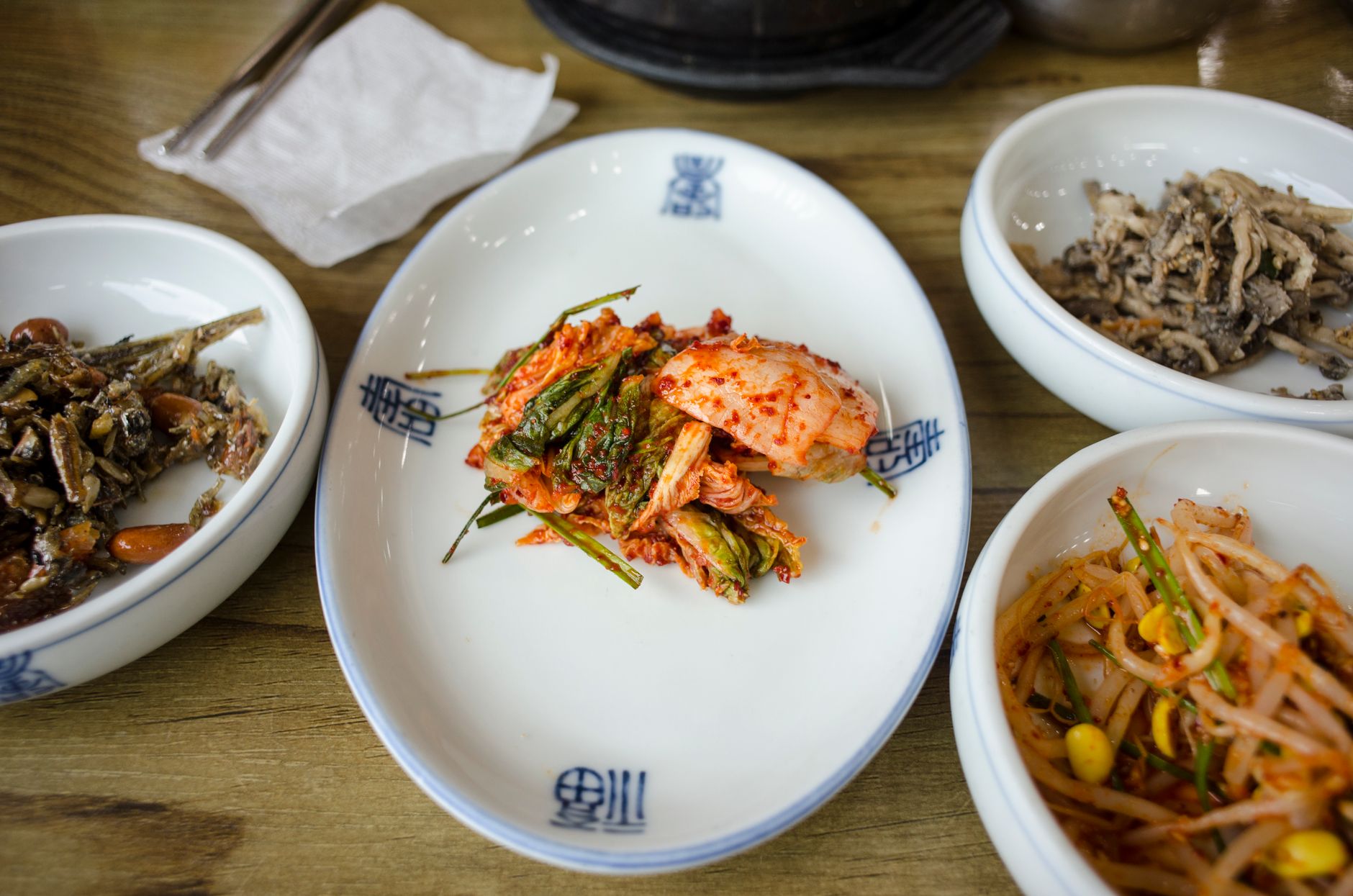
Bossam: Korean Boiled Pork Guide—History, Regions & How to Eat
Friday night in Seoul’s Gangnam district, 11 p.m. A vendor in a vinyl apron checks her broth again—same as she’s done for thirty years. The pork belly needs forty more minutes. Every table’s taken. This is bossam: boiled pork wrapped in lettuce, simple and unpretentious, the kind of meal Koreans crave when they want comfort, not fuss.
Bossam Is Boiled Pork, But the Simplicity Is Deceptive
Pork shoulder or belly, boiled tender in seasoned broth, sliced and served with lettuce, ssamjang (spicy red paste), garlic, and pickled radish. Wrap it. Eat it. Done. The difference between good bossam and bad? Three things: pork texture (soft but not mushy, fat rendered just right), broth (seasoned but not salty), and lettuce (fresh, never wilted). The best places use pork from trusted suppliers. You taste the meat first, everything else second.
Bossam took off in 1970s and 80s Korea as a working-class staple. Not fancy. Not for special occasions. It’s late-night food after a shift, or a quick meal with friends. The dish hasn’t changed much because it doesn’t need to.
Regional Styles Shift the Balance Between Pork and Condiments
Seoul keeps it simple—good pork, light seasoning. Head south to Busan or Jeolla, and you’ll get more banchan: fermented seafood, raw fish, extra veggies. Coastal spots sometimes swap pork broth for seafood. Daegu? More garlic, spicier ssamjang. Bold flavors rule here.
Incheon’s bossam often comes with oysters or clams. Makes sense—it’s a port city. They use what’s fresh. Regional bossam isn’t about reinventing the dish. It’s about local ingredients and regulars’ preferences.
The Lettuce Wrap Ritual Matters More Than You’d Think
Here’s what most bossam descriptions miss: eating it is active, not passive. You build each bite. How much paste? Garlic or no? Radish now or later? Adjust as you go. That’s why bossam spots are loud—people are engaged, not just chewing.
Nobody eats bossam alone. Groups order two or three servings to share. You make wraps for others. Unwritten rule: don’t take the best piece first. It’s just how things work.
Most places serve soju or beer with bossam. The combo’s key—rich pork, spicy paste, cold alcohol. Like pizza with beer, or nachos with margaritas.
Find a Neighborhood Bossam Place, Not a Tourist Restaurant
The best bossam isn’t in guidebooks. Look for plastic chairs, hand-painted signs, and locals at dinner. Ask hotel staff or Korean coworkers where they go. A good sign? The shop’s been there five-plus years, and the owner knows their butcher by name.
Order a half-serving if it’s just you. Extra ssamjang if you like heat. Watch the regulars. Do what they do.