Tokyo
Tokyo Bangkok
 Seoul
Seoul Singapore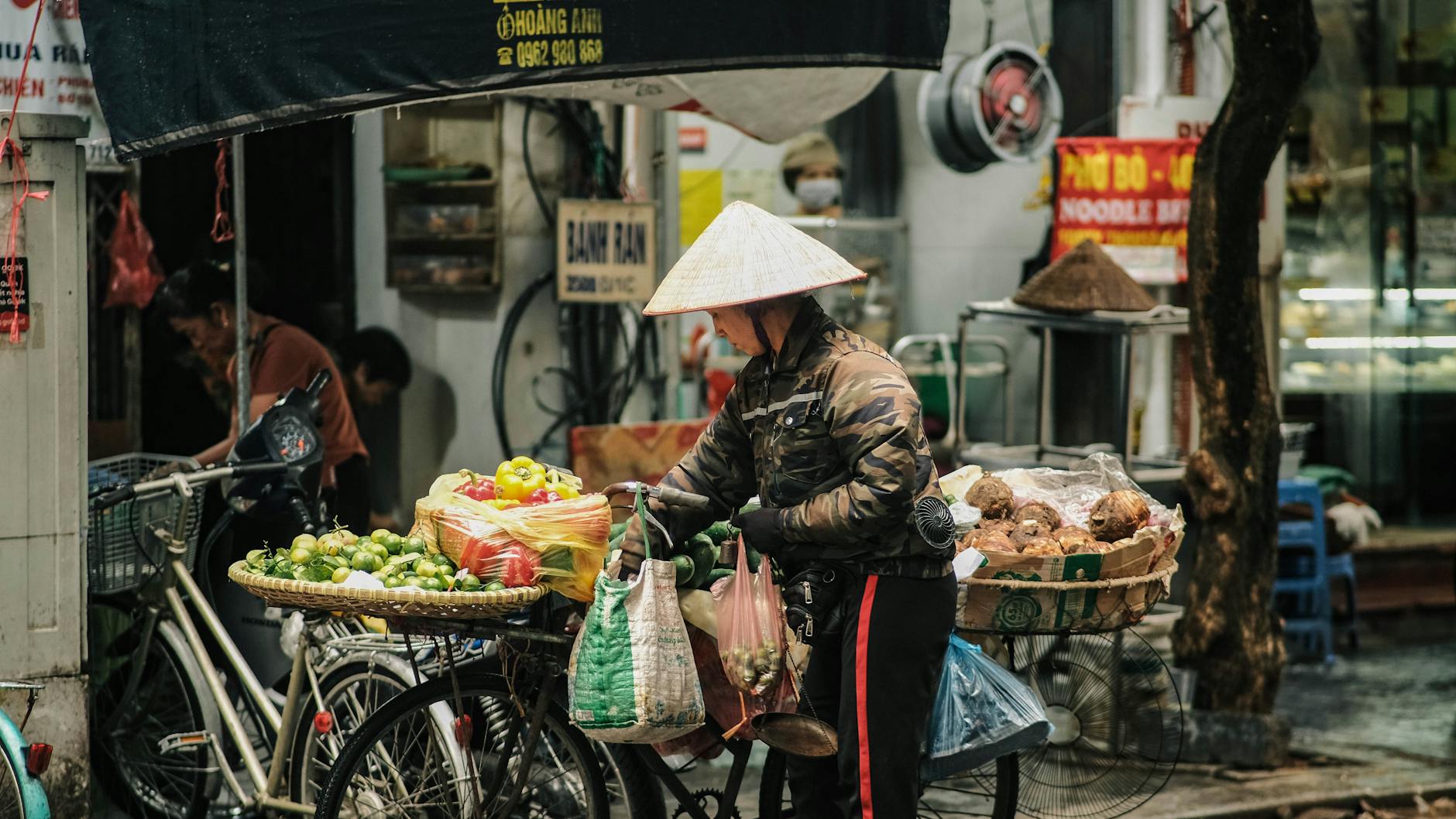
We Compared TikTok Food Videos to Google Maps Ratings in Hanoi. Here’s the Truth.

TikTok has made Hanoi a foodie hotspot, but those arriving with a folder of viral videos are in for a rude awakening. The difference between what trends online and what’s actually worth eating in Vietnam’s capital is massive—like comparing a street vendor’s pho to a Hollywood food scene.
Hanoi’s TikTok Food Trap
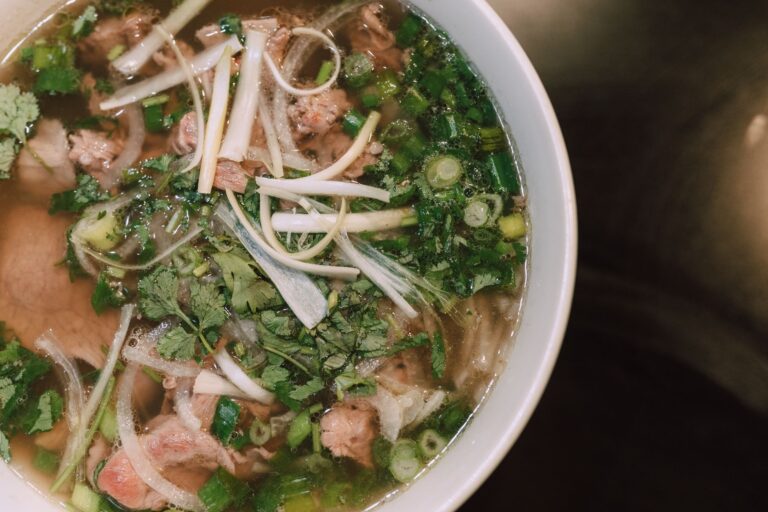
Food TikTok loves a few Hanoi staples: oversized pho bowls with dramatic broth pours, bun cha with meat that practically melts, and bánh mì so flawless they look staged. These clips rack up views because they’re eye-catching and sell the myth of “authenticity.”
Reality check: creators film at the same handful of spots, often when it’s quiet, using lighting tricks to turn a $2 meal into a cinematic experience. Pho videos are the worst offenders—broth poured like fine wine, herbs arranged like art, all suggesting this bowl will blow your mind. Spoiler: it won’t. But you’ll wait in line behind dozens who saw the same clip.
Bun cha got the same treatment. Viral versions show pork glazed like a magazine spread, sauce glistening just so, and vendors with photogenic setups. TikTok rewards flash, not flavor. So the winners are places that treat cooking as content creation.
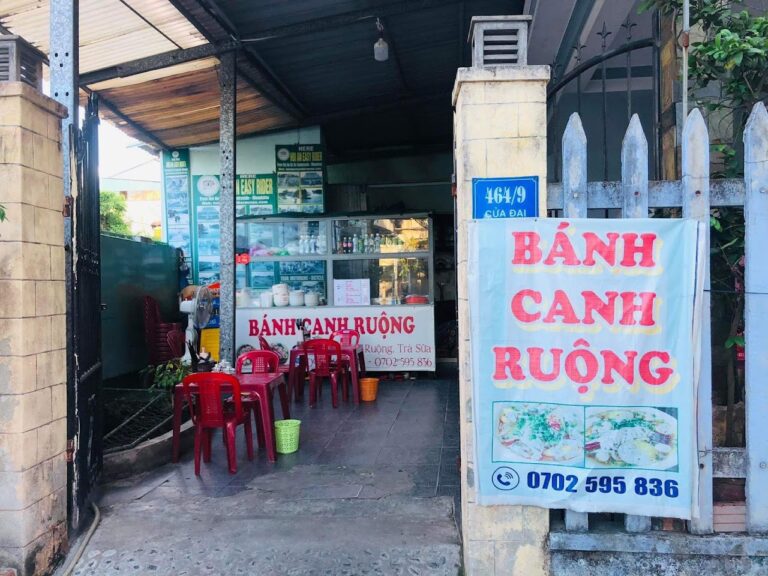
What rarely trends? Hanoi’s real standouts. Egg coffee gets filmed nonstop despite being a tourist gimmick. Bánh cuốn gets ignored. The city’s best street food—snails, crab noodles, pâté toast—doesn’t look pretty enough for likes, so travelers miss out.
What Reviews Really Show
Google Maps tells a different story. Sort by ratings and review counts, and Hanoi’s top eats aren’t the TikTok darlings.
The best pho spots? Decades-old storefronts with no English signs or Instagram hype. Pho Thin consistently ranks high not because of viral fame, but because locals swear by it. No broth theatrics—just great flavor.
Same with bun cha. The 4.6+ star joints are lunch spots for residents, not influencers. The meat might be uneven, the sauce inconsistent. But reviews come from regulars, not one-time visitors chasing clout.
Here’s the kicker: TikTok-famous places often have lower or erratic ratings. They surge with tourists, then plummet when reality hits. Meanwhile, Hanoi’s legit gems stay under the radar because no one’s filming reels there.
Top-rated spots with hundreds of reviews share one trait: they’ve perfected one thing (pho, bánh mì, coffee) for years. No gimmicks. Just good food at fair prices.
What Reddit’s Travelers Say
On r/Vietnam and r/Hanoi, the verdict is clear: “I tried that viral place. It was okay, but everyone was filming.”
Seasoned travelers advise hitting trendy spots at dawn—or skipping them entirely. Ask hotel staff where they eat. The most repeated tip? “My best Hanoi meal cost $1.50 and wasn’t on TikTok.”
Reddit users hype techniques over restaurants. “Bánh mì from a cart beats any cafe.” “Real pho broth shouldn’t taste reheated.” “Eat bun cha standing at a plastic stool.”
Egg coffee? Fine for a photo, but locals don’t drink it. Try it once without the wait.
Reddit’s real gems: specialists. Bánh cuốn from a stall that does nothing else. Snail soup from a 20-year veteran. Crab noodles from that one Old Quarter vendor open for three hours at lunch. No Instagram, no hype—just killer food.
What to Actually Eat in Hanoi
Pho: Do it, but skip the English-menu spots. Go early, pay $1-2. It’ll be great without the theatrics.
Bun cha: Way better than TikTok makes it seem. Find where locals go—the flavor difference is instant.
Bánh mì: Still amazing. Street carts beat influencer-approved cafes every time.
Bánh cuốn: Underrated and cheap. Silky rice pancakes with shrimp, pork, and fish sauce. Get excited.
Egg coffee: Worth a sip. Not worth a queue.
Street specialties: Crab noodles, snail soup, pâté toast. These live outside the tourist bubble. Hunt them down.
The Bottom Line
Hanoi’s food scene is incredible—just not the version TikTok sells. The real deal is cheaper, tastier, and hiding in plain sight. Ditch the viral list, ask locals for tips, and eat where they do. Your taste buds will win. The algorithm won’t.