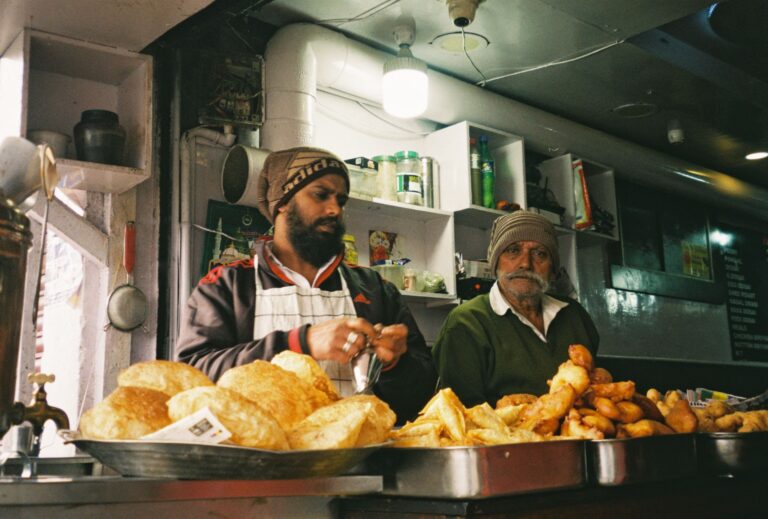
Tokyo
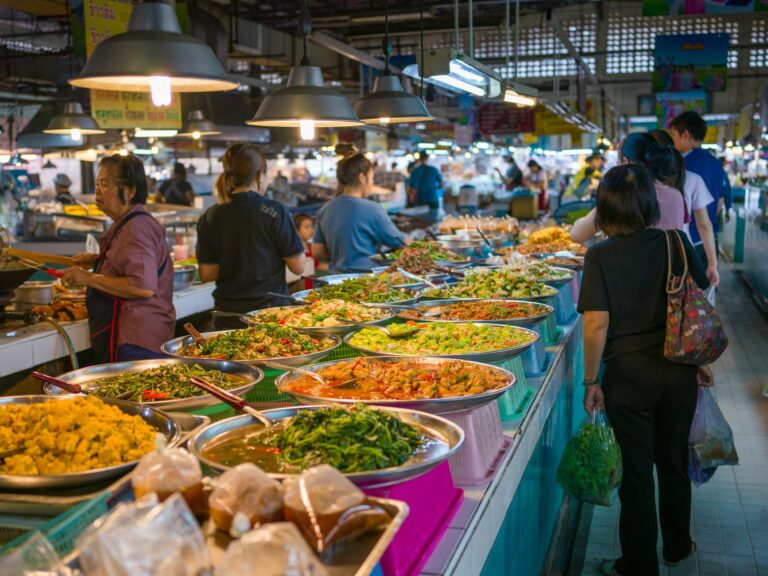
Tokyo Bangkok
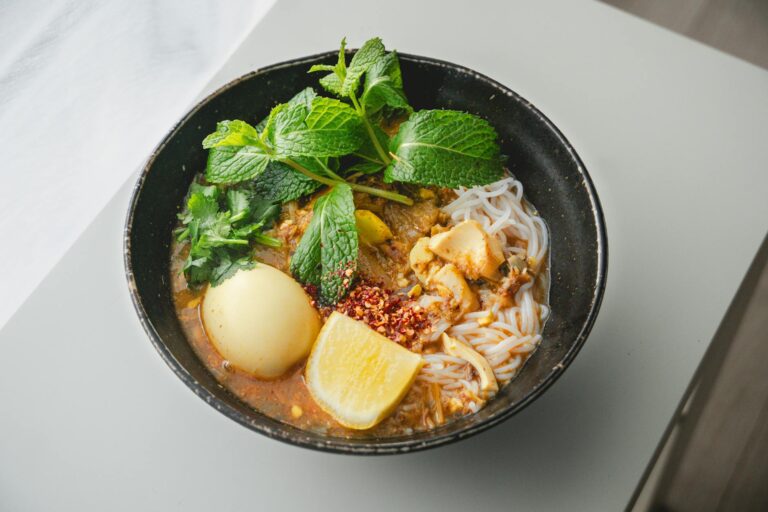
 Seoul
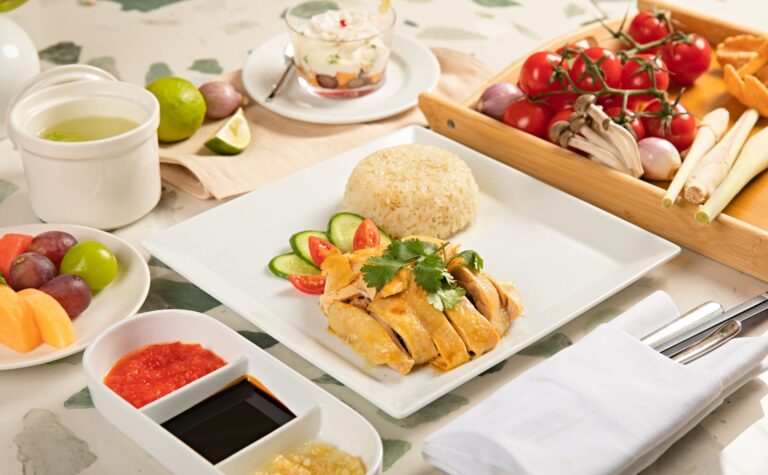
Seoul Singapore
Authentic Asian Food in Toronto: Korean, Japanese, Thai & Vietnamese
Watching a Korean grandmother in Seoul fold gyoza one-handed while chatting was a revelation. Turns out authentic food isn’t about fancy tricks—it’s muscle memory passed down through generations. Toronto gets this right in neighborhoods where home cooking techniques survive intact.
Koreatown: Where Korean Banchan Culture Lives on Bloor
Bloor West between Christie and Bathurst is Saturday afternoon gold. This strip feels transplanted from Seoul—and that’s no accident. Walk into Gyu-Kaku or Samwon Garden and witness Korean dining done right: banchan (those little side dishes) arriving first, not as decoration but as essential flavors. The grilled meats? Solid. But watch how staff tend the tabletop grills—no theatrics, just perfect heat control. Don’t miss the Korean grocers either. Their gochugaru chili flakes and doenjang paste taste alive compared to supermarket versions.
Japantown Around Dundas and Spadina: Beyond Sushi Rolls
Japanese food here isn’t just sushi conveyor belts. The real magic happens in Dundas West’s ramen joints and izakayas. Ippudo and Kinton Ramen stay packed for good reason. Their broths tell the story—when tonkotsu simmers for half a day, you taste that creamy depth instantly. Pro tip: Watch how they cook gyoza. Perfect crispness comes from that oil-water-steam dance in the pan. For crunchier pleasures, Katsutori’s tonkatsu should audibly crack under chopsticks. If it doesn’t? Oil wasn’t hot enough.
Thai and Vietnamese: Chinatown Surprises and Parkdale’s Real Deals
Spadina’s Chinatown hides legit Thai spots like Pad Thai Noodle House—places where the basil actually tastes Thai and curry pastes get freshly pounded. Parkdale owns Vietnamese food in this city. Pho Hung and Saigon Star serve broth that could fool Hanoi locals, partly because their cooks trained there. Real pho broth whispers star anise and cinnamon—never shouts salt. Those 5 AM broth-skimming sessions? That’s how clarity happens. Craving banh mi? Bloor West near Ossington has bakeries nailing the essentials: crackly bread, balanced fillings, zero mayo floods.
Toronto’s best Asian eats don’t cluster in one spot. They’re scattered where immigrants cook like they’re back home—Koreatown for technique, Japantown for precision, Parkdale and Chinatown for soul food. Follow these threads and you’ll eat better than any “top 10” list promises.