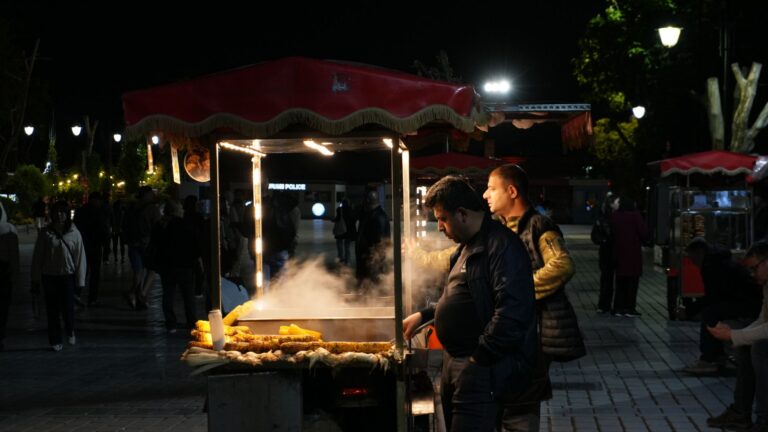
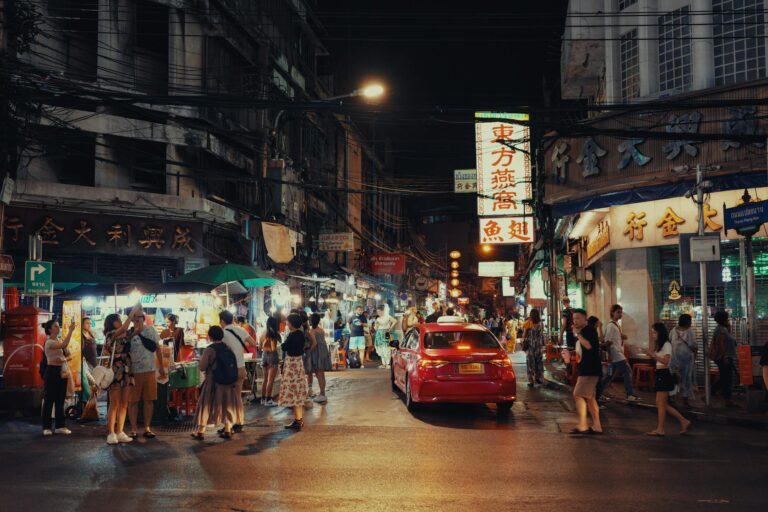
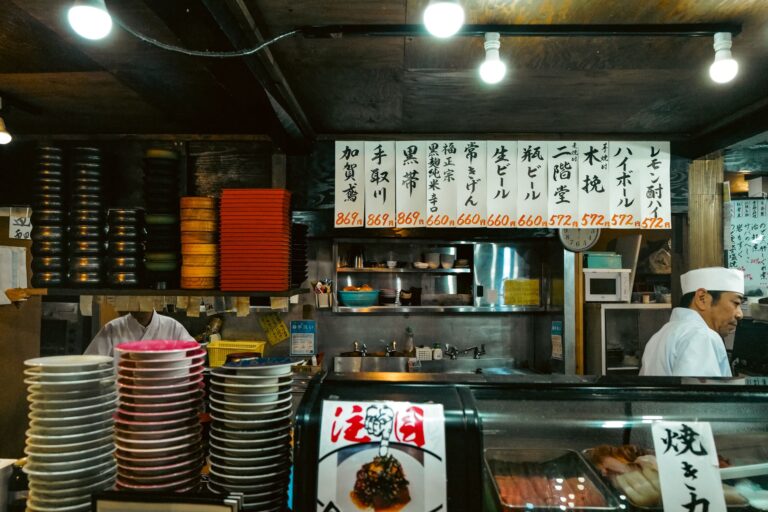
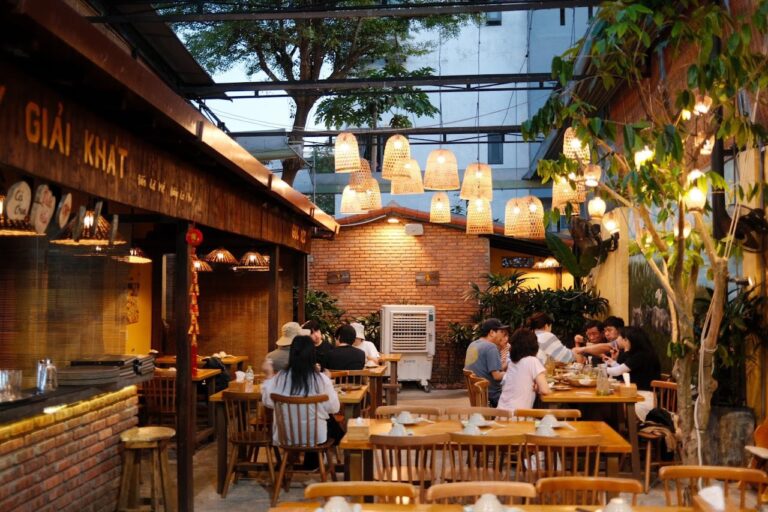
Tokyo
Tokyo Bangkok
 Seoul
Seoul Singapore
How TikTok’s #HiddenGem Is Reshaping Food Discovery
The #HiddenGem Phenomenon Hits 9.1 Billion Views
TikTok’s #hiddengem hashtag just hit 9.1 billion views, but you won’t see most of this on food blogs or magazines. While Instagram shows polished restaurant guides, TikTok’s hidden gems feel different—real prices, messy tables, zero filters. It’s changing where travelers eat and which spots actually survive.
Look at the numbers. @biteswithlily’s “Only eating FOOD UNDER $5 in Cabramatta” racked up 2.0 million views, 219,000 likes, and 2,000 shares. That’s not just viral fluff—it’s 2 million people reconsidering Sydney’s Vietnamese food scene. The video highlights banh mi, pork rolls, and pandan waffles at prices most critics would ignore.
Who’s Driving This?
A handful of creators now shape how we find authentic eats. @biteswithlily (3.4 million followers) hunts down cheap meals across Australian cities. Her Cabramatta video nails the formula: exact location, clear prices, what she actually ate. Compare that to @Kat Clark’s Bali night market video (825,000 views), which leans more on mood than specifics.
Here’s the kicker: videos with dollar amounts and dish names crush vague “aesthetic” clips. @Lovey Patisserie Cafe’s 12-second Melbourne spot hit 609,000 views with shaky cam footage. Why? They’re not staging food porn—they’re showing real meals.
What Works? The Numbers Don’t Lie
#hiddengem content splits into three clear categories:
- Cheap Eats: Killer engagement. @biteswithlily’s Cabramatta run and @tiffanys.album’s Melbourne student meals (490,000 views) treat low prices like a badge of honor. They solve a real problem: eating well without going broke.
- Travel/Nature Spots: Gets shared like crazy. @inside America’s Smoky Mountains village (1.3 million views) and @Nicholas Ferres’ Munich canyon hike (648,000 views) mix pretty views with useful tips. Basically free guidebooks.
- Aesthetic/Lifestyle: Racks up views but feels hollow. These generic city clips spread through algorithms, not word-of-mouth.
What This Says About Asian Food Trends
Cabramatta—a Sydney suburb most tourists skip—landed 2.0 million views from one TikTok. That’s a huge shift from Instagram’s era of photogenic restaurants with $20 cocktails. Now, discovery starts with phrases like “banh mi under $5” instead of “best Sydney restaurants.” Power’s shifting from PR teams to actual neighborhoods.
Bali’s Sanur Night Markets tell a similar story. @Kat Clark’s video highlights the market’s unpolished vibe, not fancy plating. Travelers want realness, not influencer backdrops.
How to Actually Use TikTok for Food Finds
Forget Instagram habits. Try this:
- Search neighborhoods, not cuisines: “Cabramatta eats” beats “best pho.” TikTok loves hyperlocal content.
- Watch 60-90 second clips: The sweet spot for showing prices, ordering, and eating—not just plated dishes.
- Follow destination specialists: @biteswithlily’s multi-city guides beat one-hit wonders.
- Check likes vs. views: 52,000 likes on 609,000 views (8.5%) means real recommendations, not just algorithm luck.
Why TikTok Beats Traditional Food Media
Critics cover restaurants with PR budgets. Instagram rewards pretty plating. TikTok? A shaky 12-second clip from @Lovey Patisserie Cafe can hit 609,000 views organically. No photoshoots. No sponsorships.
Those 9.1 billion #hiddengem views prove something radical: people trust peer discovery over polished critics. When @biteswithlily films a $4 banh mi in Cabramatta, it’s documentation—not content creation. That’s why the engagement feels real.
By 2025, the best food tips won’t come from guidebooks. They’ll come from creators treating local eats like breaking news. TikTok’s hidden gems aren’t a trend—they’re the new normal.