Tokyo
Tokyo Bangkok
 Seoul
Seoul Singapore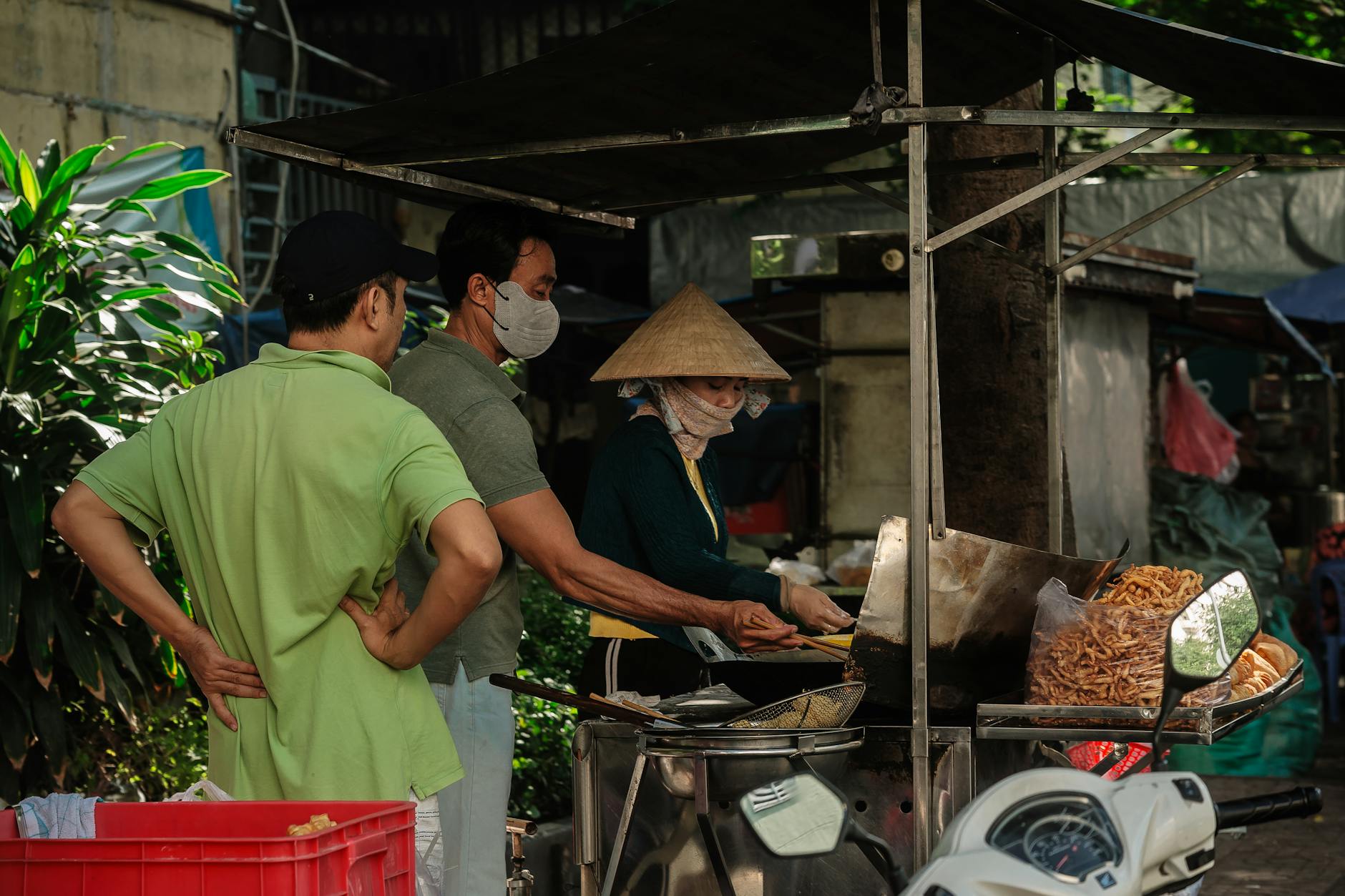
How to Make Miso Soup: 10 Variations Beyond the Basic Bowl
Most miso soup outside Japan tastes like disappointment—watery, bland, with sad tofu cubes floating like buoys. It’s not the soup’s fault. Western kitchens treat it as an afterthought, when it should be an umami bomb that takes less than 10 minutes to make right.
Dashi Is Non-Negotiable
Here’s the deal: skip dashi, and you’re drinking salty water. Not powder. Not cubes. Real dashi. This isn’t snobbery—it’s the difference between forgettable and phenomenal.
Primary dashi (ichiban dashi) needs just two things: kombu and bonito flakes. Soak kombu in cold water for 30 minutes, heat until nearly boiling, pull out the kombu, add flakes, let them sink (about 2 minutes), strain. Done. Secondary dashi (niban dashi) reuses the same ingredients for a milder version—save this for delicate dishes.
Measure carefully: one 4-inch kombu strip and a loose handful of bonito flakes per 4 cups water. Overdo the flakes and it turns fishy. Skimp and you get weak broth. Tokyo spots often mix bonito with kombu and a pinch of dried shiitake—that’s the sweet spot.
Tofu and Wakame: Keep It Simple
Silken tofu or bust. Firm tofu belongs in stir-fries, not soup. Silken melts into the broth, thickening it slightly. Cut rough cubes—not perfect—and add them last so they hold shape.
Dried wakame plumps up fast in hot broth. Find it cheap at any Asian market. Some toss it in during cooking; wait until the end if you prefer tender over chewy.
10 Upgrades That Actually Work
1. Clam boost: Swap half the dashi for clam broth. Add fresh clams at the finish. Tsukiji vendors swear by this.
2. Mushroom magic: Toss in rehydrated shiitake or enoki. Save the soaking liquid for extra depth.
3. Spicy kick: Use red miso instead of white. Add a whisper of ichimi togarashi if you like heat.
4. Crunchy veg: Thin-cut daikon, carrot, or burdock root. Throw them in 5 minutes before serving.
5. Seafood twist: Tiny shrimp or scallops added last. They’ll cook from residual heat.
6. Miso mix: Blend white and red miso (start 60/40). More complex than single-type.
7. Egg ribbons: Whisk an egg into simmering broth. Korean-style, not Japanese, but delicious.
8. Scallion finish: Sliced raw negi on top. Heat softens them just enough.
9. Sesame hint: A few drops of good oil right before serving. Subtle but game-changing.
10. Seasonal tweaks: Bamboo shoots in spring, okra in summer. Winter? Keep it basic.
The Hard Truth
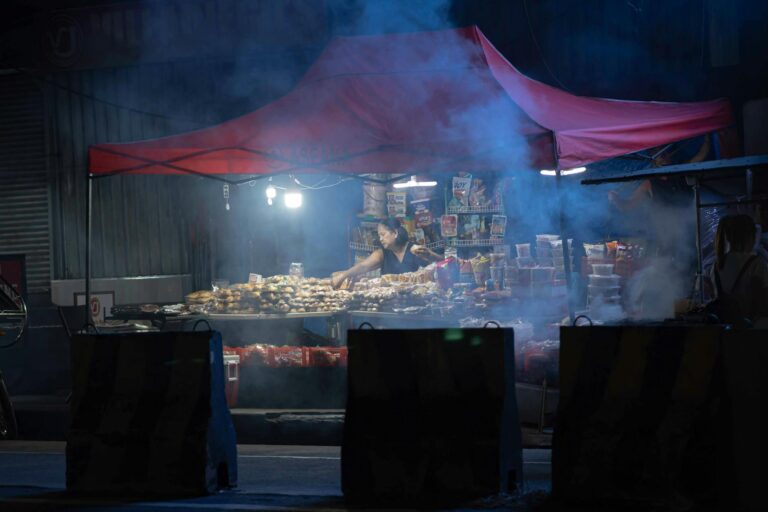
Fancy ingredients won’t save bad technique. A $2 bowl from a Tokyo street cart beats overpriced Brooklyn versions because someone cared about the dashi. They’re not showing off—they’re making food that tastes good.
Try this: Make proper dashi. Get silken tofu and dried wakame. Use white miso. Top with scallions. Taste. Now you’ve got a baseline—everything else is optional.