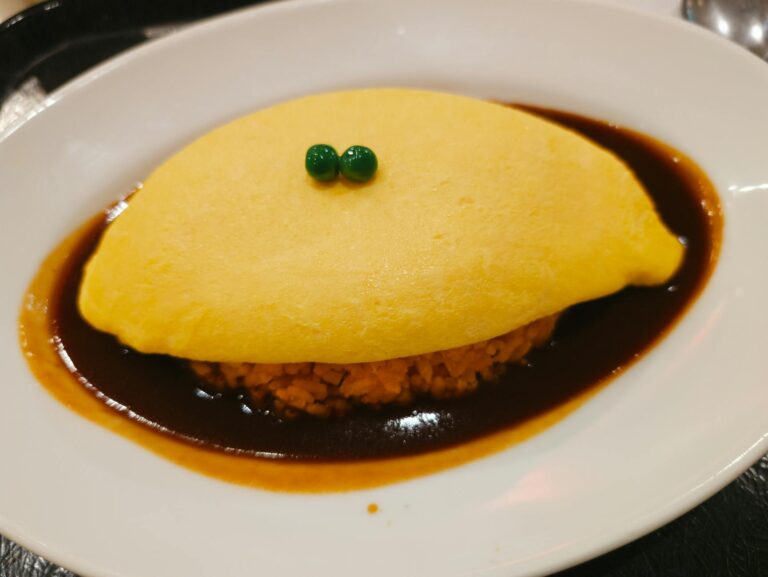
Tokyo
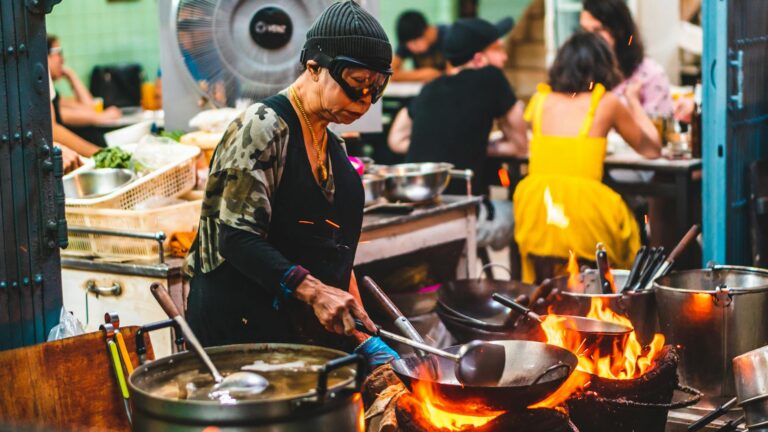
Tokyo Bangkok
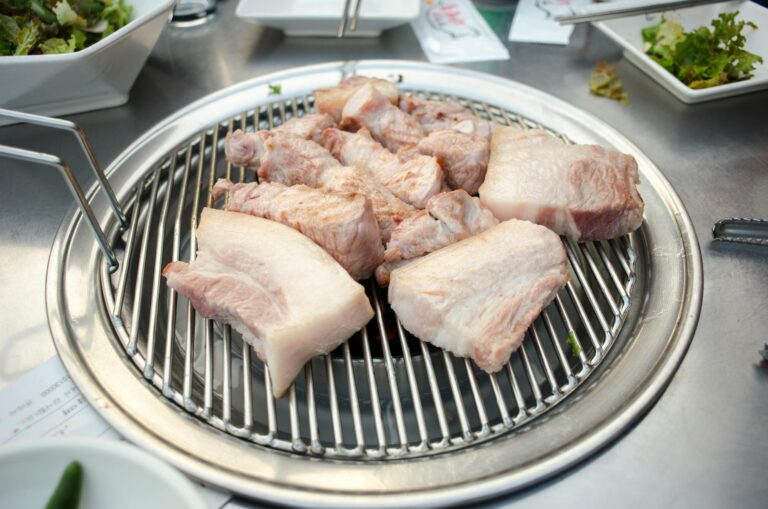
 Seoul
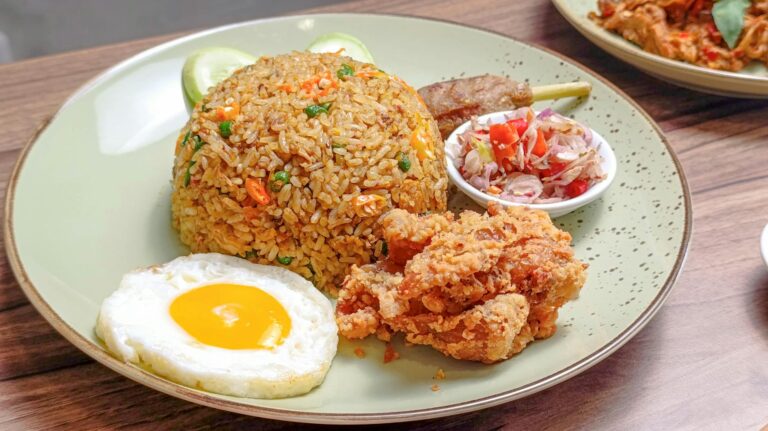
Seoul Singapore
Make Authentic Chicken Rice Stock: Hainanese Method
Chicken rice stock isn’t just some leftover liquid—it’s the soul of Hainanese chicken rice. Singapore’s hawker stall chefs treat their recipes like Fort Knox. Here’s the twist: this dish wasn’t born from ancient tradition but from hardworking Hainan Island cooks in the 1900s who needed to feed people cheaply. Poaching chicken in its own broth became the smart solution. That clever trick traveled with migrants to Singapore and turned into one of Southeast Asia’s most iconic dishes. Forget thinking of the stock as just water—it’s the main event.
Why Poaching Liquid Becomes Liquid Gold
The real magic? What happens while the chicken cooks. Simmering chicken with aromatics pulls out gelatin and proteins that create a silky stock—no boiling down required. Singapore’s street vendors usually drop a whole chicken or big pieces into water with ginger, scallions, maybe some ginseng or dried shiitake. Temperature matters most: keep it between 160-170°F (70-75°C). Too hot and you get tough meat; just right means tender chicken and clear broth. Thirty to forty minutes of gentle cooking gives you both perfect chicken and a clean, light stock. The meat turns velvety while the liquid picks up just enough flavor. Most home cooks crank the heat too high, ending up with cloudy broth and rubbery chicken.
Building Fragrance Into Your Rice
Got your stock? Now comes the part where ordinary chicken rice becomes extraordinary. In Singapore, they fry rice in chicken fat skimmed from the broth—add garlic and ginger, maybe a pandan leaf if you’re feeling fancy. Toast the rice grains in that fat first; just 2-3 minutes makes all the difference. It keeps the rice from turning mushy. Jasmine rice works best—its natural perfume plays nice with the chicken flavors. The golden ratio: 1 cup rice to 1.5 cups stock. When done right, every bite tastes like chicken essence wrapped in rice.
The Stock-Making Process: Start to Finish
Grab a 3-4 pound chicken (whole or pieces, skin and bones included). Dunk it in boiling water for 30 seconds, then rinse—this keeps your stock clear. Drop it in a pot with 8-10 cups water, a smashed 2-inch ginger chunk, 4-5 chopped scallions, and optional ginseng. Keep it at a lazy simmer for 35-40 minutes. Skim off any foam early on. Chicken’s ready when the thigh meat slides off the bone. Fish out the chicken, strain the broth through a fine mesh, pressing lightly on the solids. You’ll get about 6 cups of golden liquid. Let it cool, skim the fat (save 3 tablespoons for the rice), and you’re set. Stock keeps for 4 days in the fridge or 3 months frozen.
Here’s the kicker: making this stock needs no fancy tools or rare ingredients—just watch the heat and don’t rush. The payoff? Rice that puts store-bought broth to shame and chicken so tender it practically melts. One taste and you’ll get why Singapore’s street food legends built their names on this humble dish.