Tokyo
Tokyo Bangkok
 Seoul
Seoul Singapore
Eating Safe at Asian Street Stalls: A Traveler’s Guide
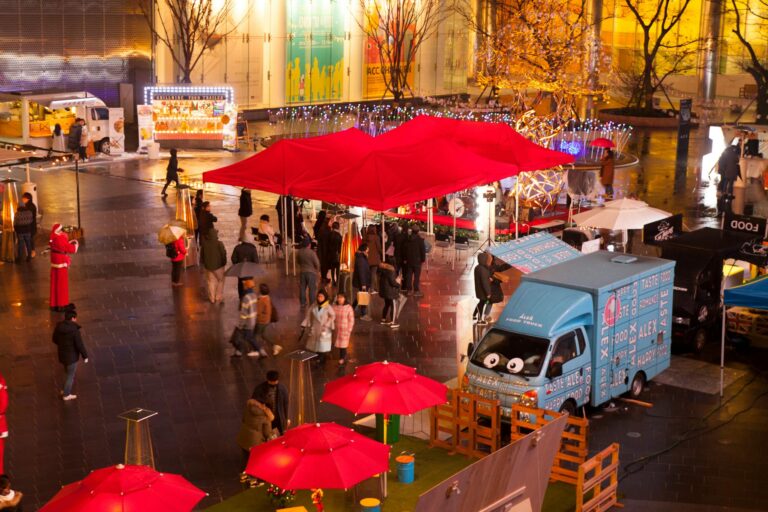
The air hits you first—smoky meat, tangy fish sauce, and sizzling oil cut through diesel fumes and humid night air. It’s 11 PM in a Bangkok alley. A vendor juggles three woks, sweat beading on his forehead, a cigarette tucked behind his ear. This is where the good stuff happens. And where most travelers hesitate. After sampling hundreds of street stalls across Asia without disaster, here’s the truth: street food safety isn’t complicated. You just need to know the signs.
Watch the Turnover and the Crowds
Busy stalls are safe stalls. In Penang, a char kway teow seller would run out by 9:30 PM nightly. That’s what you want—food that doesn’t linger. Fresh oil. Regular customers. A vendor who cares about reputation.
Walk past the sad skewers under heat lamps. Skip the empty dumpling stand during lunch hour. In Ho Chi Minh City, one pho pot had broth crusted on the sides like old glue. The crowd had already shifted next door.
Follow the locals. Office workers. Grandmothers. Construction crews. In Chiang Mai, Thai teens led me to a larb spot behind a 7-Eleven. No regrets.
Inspect Hands, Utensils, and Water Sources
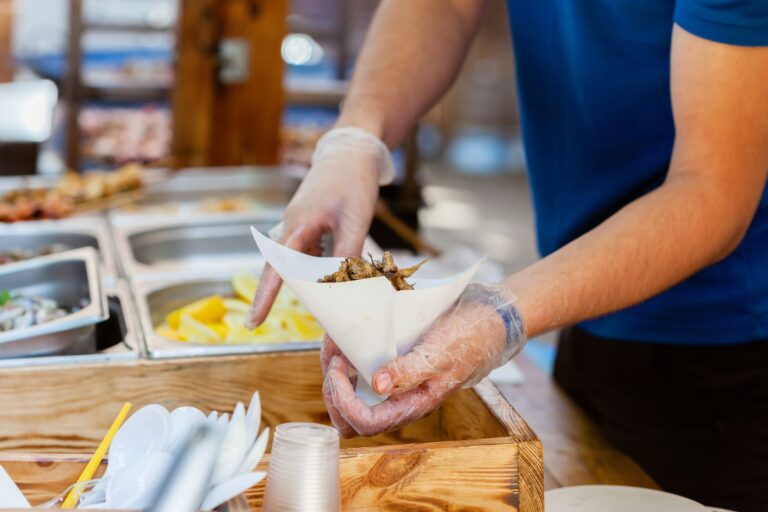
Watch the money-to-food handoff. A Jakarta satay guy rinsed his hands in a bucket after taking cash. Another vendor touched cash, then raw chicken, then more cash. Guess which one I ate from?
Check the water source. Sealed jug or sketchy tap? In Bangkok’s Chinatown, a dim sum vendor kept two buckets—one for hands, one for steamers. Smart.
Look at the tools. Are chopsticks clean? Bowls freshly rinsed? At a Hanoi noodle stand, bowls got a quick dip in boiling broth. Not perfect, but the bubbling liquid killed germs.
Trust Your Senses and Your Gut Feeling
Bad smell? Walk away. A Kolkata fish stall reeked of sweetness in the sweltering heat. That’s not how fresh fish behaves.
Hot food beats cold. Cooked beats raw. Skip the mystery-liquid fruit. Stick to sizzling woks and boiling pots. In Bangkok, grilled meats and stir-fries are solid choices. Raw veggies? Riskier.
Thousands of street meals. One illness—from a hotel kitchen, not a cart. Vendors live by their reputation. Crowds don’t lie. Watch the hands. Listen to your nose. That’s the system.