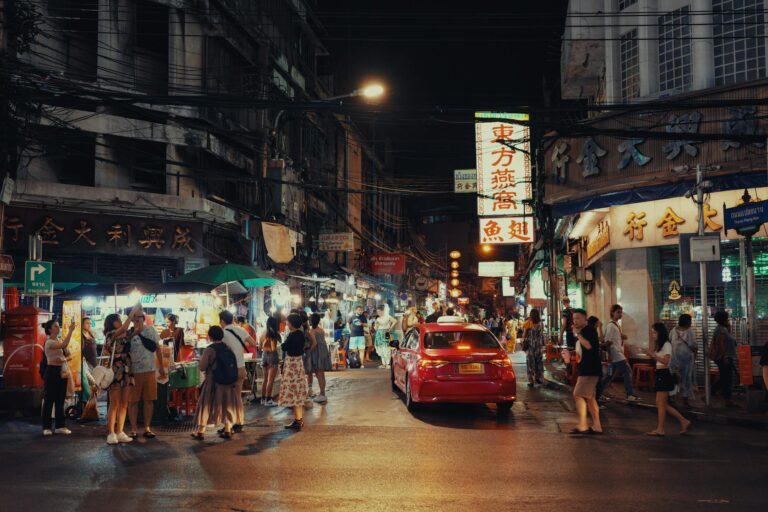
Tokyo
Tokyo Bangkok
 Seoul
Seoul Singapore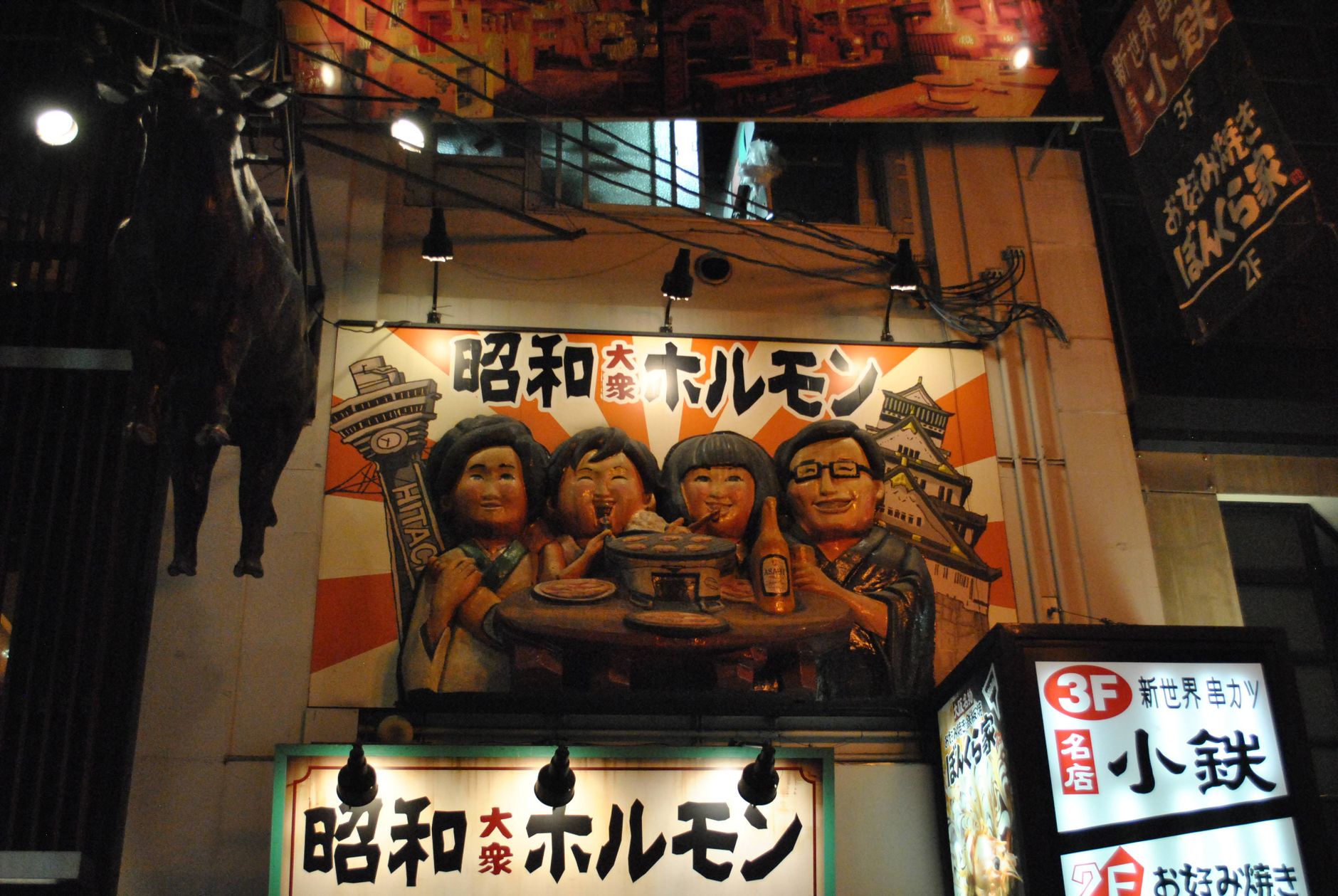
Osaka Food Guide: Dotonbori to Kuromon Markets
Watch a takoyaki vendor at work, and you’ll see something close to artistry. Those little octopus balls get flipped with perfect timing—just seconds before they burn. That precision explains why Osaka’s food scene stands out. No flashy gimmicks. Just decades of practice poured into every bite.
Dotonbori: Street Food That Actually Delivers
Dotonbori doesn’t do subtle. Neon lights glare, crowds jostle, and the air smells like frying oil. But the chaos has a purpose: the food here is legit. Start with takoyaki from any busy stall. Notice how they pour batter into round molds, tuck in a chunk of octopus, then rotate each ball until golden. A serving costs ¥500-800, and trust us—you’ll taste the difference after trying a subpar version elsewhere.
Don’t miss okonomiyaki. Cooks layer cabbage, pork, and your protein choice on a griddle, scraping the edges into crispy perfection. For crunch addicts, kushikatsu skewers—double-breaded and deep-fried—hit the spot. Meals run ¥1,000-2,000. Eat standing at a counter like everyone else. It’s better that way.
Kuromon Market: Where Osaka Shops for Dinner
Dotonbori feeds tourists. Kuromon Market feeds locals. This 200-year-old covered alley hums with a different energy—vendors shouting deals, housewives inspecting fish, cooks prepping orders without fanfare.
Sushi comes first here. Nigiri and sashimi cost less than you’d think, with fish so fresh it practically glistens. Go for uni or fatty tuna. Then try takoyaki from a different vendor than Dotonbori—competition keeps standards high. Okonomiyaki here feels homier; ask for the cook’s favorite combo. Fruit stalls sell perfect mangoes or strawberries at ¥800-3,000. The value? Ridiculous.
Osaka’s Real Deal: Neighborhood Bites
The best meals often happen off the beaten path. Like that tiny ramen joint near Shinchi, where tonkotsu broth simmers all day and noodles have serious bite. Locals will point you to these spots—they want you to eat well.
Hit Kiji for okonomiyaki that’s drawn crowds since 1945. Harukoma Sushi does no-frills, standing-counter sushi. Kushikatsu Daruma fries skewers with zero pretension. These aren’t secrets—just places regulars keep coming back to. Prices stay fair because turnover is high and quality matters more than decor.
Plan at least two full days to eat your way through Osaka. Start with Dotonbori’s iconic bites. Hit Kuromon Market early, before the tour groups arrive. Eat standing up. Watch how the cooks move. Osaka’s food reputation isn’t hype—it’s the result of treating every meal like it matters.