Tokyo
Tokyo Bangkok
 Seoul
Seoul Singapore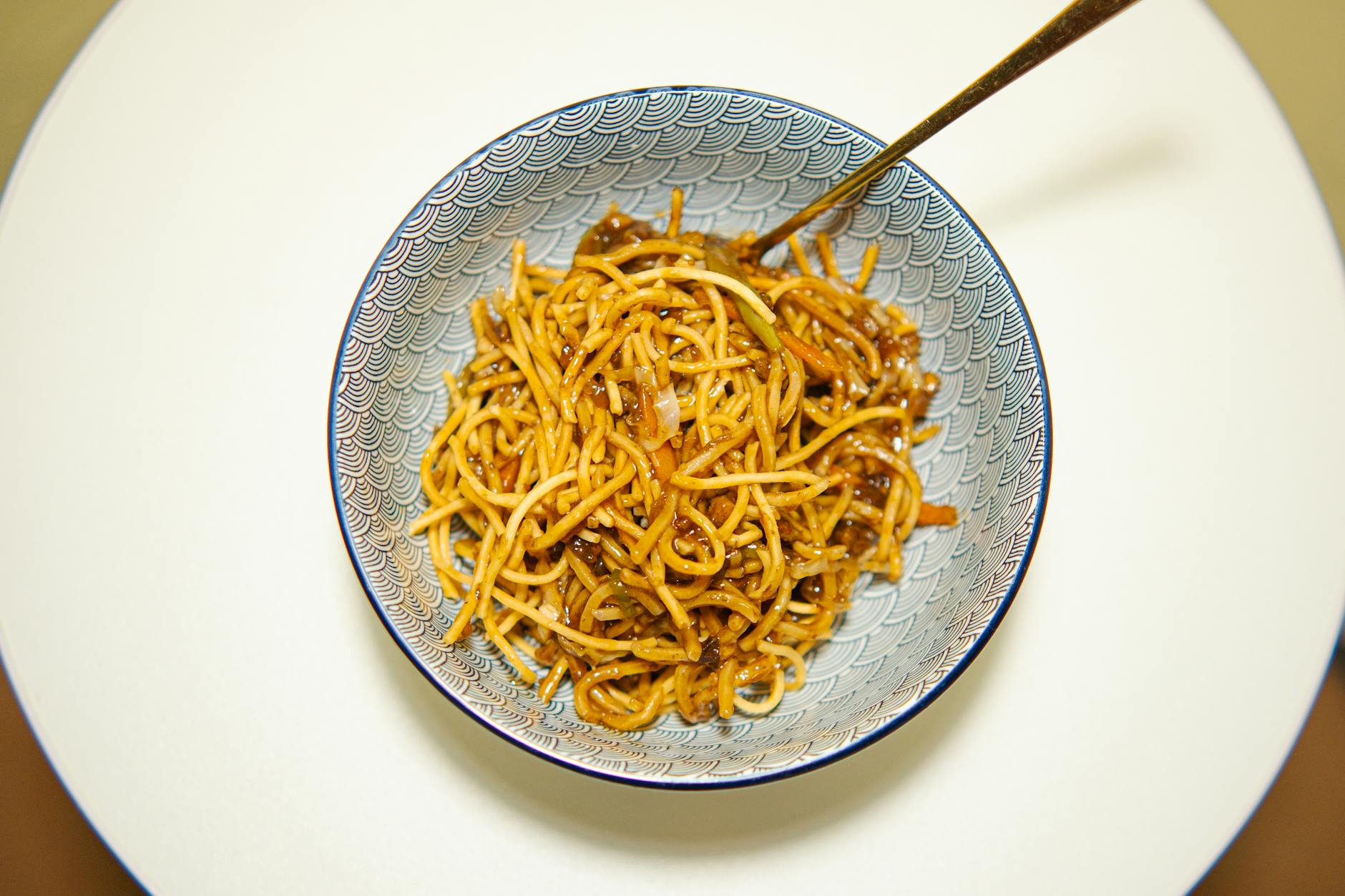
Dan Dan Noodles: Sichuan’s Spicy Street Noodle Taking Over America
Dan Dan Noodles: Sichuan’s Street Food Sensation
Scrolling through food Instagram lately? You’ve probably seen dan dan noodles—those slick noodles drenched in nutty sesame sauce, topped with crispy pork and that signature Sichuan peppercorn kick. What began as a simple Chengdu street snack is now popping up everywhere from New York’s trendiest spots to LA’s noodle joints. But here’s the catch: most US versions miss the mark. Want the real thing? You’ll need to dig into its roots and nail the technique.
Where Dan Dan Noodles Came From
This dish wasn’t born in fancy restaurants. It started with street vendors hauling their gear on bamboo poles (“dan dan”) through Chengdu’s alleys. That’s how it got its name. Over a century old, this dish screams Sichuan flavor—bold, tingly, and impossible to stop eating.
Authentic dan dan noodles hit you with contrasts. Sichuan peppercorns deliver that weird, addictive numbness (blame hydroxy-alpha sanshool). Mix that with chili oil heat, sesame paste richness, and savory pork, and you’ll see why America can’t get enough.
Getting the Sauce Right
The sauce makes or breaks dan dan noodles. Most home cooks mess this part up. You’ll need sesame paste (or tahini in a pinch), chili oil, Sichuan peppercorn oil, vinegar, soy sauce, and a bit of sugar. Measurements matter.
Start with 3 tbsp sesame paste—real Chinese brands like Jufeng work best. Thin it with 2 tbsp warm water. Then add 1 tbsp each: Sichuan peppercorn oil (make your own by infusing oil with toasted peppercorns), chili oil, vinegar, and soy sauce. A pinch of sugar smooths it out. Aim for creamy, pourable consistency.
Pro tip: Toast your Sichuan peppercorns first. Just 15 minutes in a dry skillet boosts their numbing power.
Toppings That Matter
The sauce is key, but toppings seal the deal. Crispy pork is non-negotiable. Heat 2 tbsp oil in a wok, add 8 oz ground pork. Cook 4-5 minutes until browned and crispy. Stir in 2 tbsp chili crunch, 1 tbsp soy sauce, and 1 tbsp vinegar. Done.
Don’t skimp on garnishes: scallions, peanuts, cilantro, and pickled mustard greens (their tang cuts through the richness). Some Chengdu spots add soft-boiled eggs or black beans. Those mustard greens? They’re game-changers.
Putting It All Together
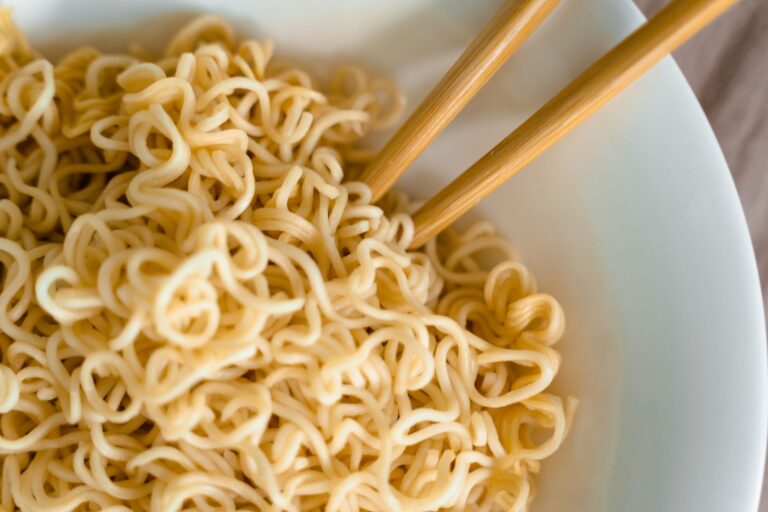
Cook your noodles—fresh alkaline ones are ideal, but dried ramen works too. Drain well, dump in a bowl. Pour sauce over warm noodles, add pork and toppings. Mix hard so every strand gets coated.
Dan dan noodles are flexible. Once you’ve got the basics, tweak the heat, swap proteins, or go veggie with mushrooms. Just keep that Sichuan balance—that’s what makes it work.
Skip the takeout. Grab some peppercorns and good sesame paste. Your kitchen’s about to smell amazing.