Tokyo
Tokyo Bangkok
 Seoul
Seoul Singapore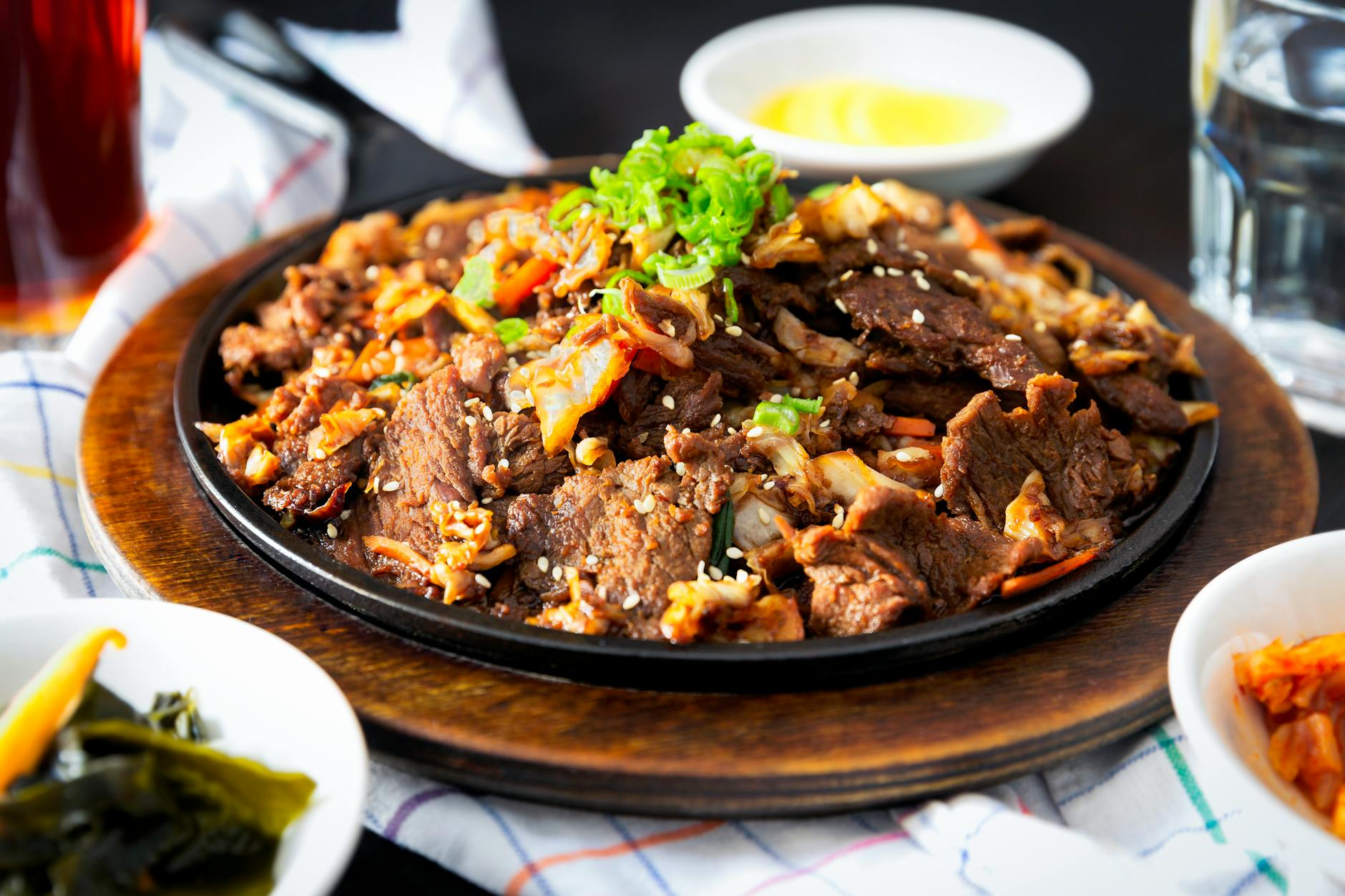
Bulgogi: Origins, Variations, and Where to Eat It
Bulgogi is thin-sliced beef marinated in a sweet and savory sauce, then grilled over charcoal or on a metal plate. The dish defines Korean barbecue culture—not because it’s the oldest Korean grilled meat, but because it’s the most accessible entry point to the country’s grilling tradition. Unlike heavier cuts of galbi or ogyeopsal, bulgogi’s thin slices cook in seconds, making it the weeknight staple and restaurant cornerstone across South Korea.
Origins and History
Bulgogi’s origins are more recent than most Korean dishes. While grilled meat has been part of Korean cuisine for centuries, bulgogi as we know it emerged in the 1960s and 1970s during South Korea’s post-war economic boom. The marinade—combining soy sauce, sugar, pear juice, sesame oil, and garlic—represents a distinctly modern Korean approach to meat preparation, influenced by Japanese yakiniku culture but distinctly Korean in execution.
The dish gained prominence in Seoul during the rapid industrialization of the 1970s and 1980s, when restaurants began standardizing the marinade and cooking method. Before this, grilled meat was less standardized; bulgogi’s rise coincided with the emergence of a middle class with disposable income and the growth of Korean restaurant chains. The use of pear (either Korean pears or kiwi as a substitute) was a practical innovation—the fruit’s enzymes naturally tenderize tough muscle fibers, eliminating the need for extended marinating times. By the 1990s, bulgogi had become Korea’s most exported meat dish, a position it still holds.
Regional Variations
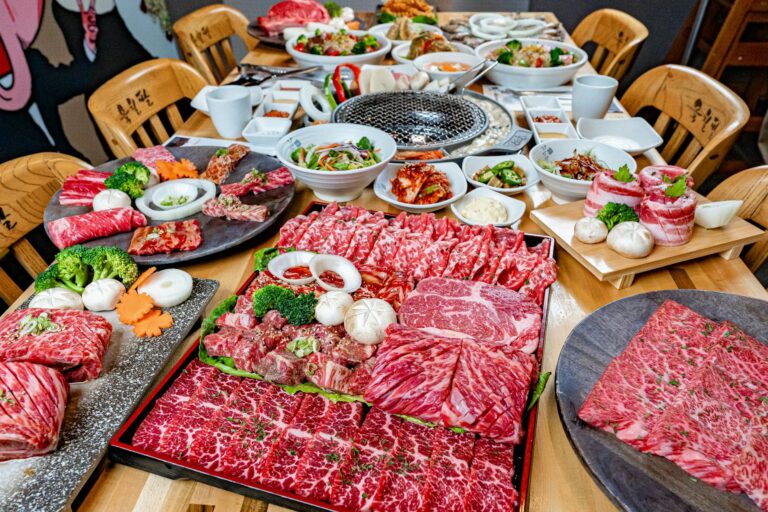
Seoul-style bulgogi tends toward sweeter marinades with generous sugar and pear content, reflecting the city’s restaurant standardization and preference for approachable flavors. The capital’s bulgogi culture is inseparable from the experience of Korean barbecue restaurants (galbijip), where diners grill meat tableside—Seoul’s Gangnam and Apgujeong neighborhoods have elevated bulgogi into a refined, often expensive experience with premium beef grades.
Busan, the port city on the southeast coast, takes a different approach. Coastal bulgogi incorporates more seafood elements and slightly less sugar, reflecting regional taste preferences. Busan-style bulgogi often includes more sesame and ginger, creating a less uniformly sweet profile. The city’s restaurant scene treats bulgogi as one component of a larger banchan spread rather than the centerpiece.
Daegu, in the southeast interior, produces bulgogi with more aggressive seasoning—higher garlic content and sometimes the addition of doenjang (soy paste) or gochugaru (red chili flakes) for subtle heat. Daegu’s version reflects the region’s preference for bolder, more mineral-forward flavors. The city is also known for bulgogi-focused restaurants that serve the dish in multiple preparations: raw, cooked, and as part of bibimbap.
What Makes a Great Bulgogi
The foundation is beef quality. Authentic bulgogi uses bulgogi-sal, a specific cut from the sirloin or ribeye that’s partially frozen, then sliced paper-thin (1-2mm). This cut is expensive; cheaper restaurants substitute tougher cuts, compensating with thicker marinade application—a reliable way to identify a mediocre version.
The marinade contains five essential components: soy sauce (traditionally soy sauce, not tamari), sugar, pear juice or kiwi puree, sesame oil, and garlic. The proportion matters enormously. A common mistake in Western preparations is oversweetening; authentic Korean versions use sugar judiciously. The pear juice should be noticeable but not dominant. Sesame oil—specifically toasted, not light—should provide an aromatic backdrop, not greasiness.
Cooking technique separates exceptional bulgogi from adequate versions. The meat should hit a very hot surface (traditionally charcoal, practically a flat griddle at 200°C+) for 30-60 seconds per side. Overcooking ruins the texture; undercooked beef lacks the textural transformation that makes bulgogi satisfying. The char should be light and selective, not heavy. Restaurants that cook bulgogi in advance and reheat it produce inferior results.
A surprising fact: the best bulgogi restaurants in Seoul actually use cheaper beef grades than you’d expect. Premium beef doesn’t marinate well—the high fat content repels the sauce. Mid-grade beef (grades 2-3 in the Korean system) absorbs marinade more effectively and produces more tender results after cooking.
Where to Try Bulgogi: City by City Guide
Seoul: The Gangnam district and Apgujeong neighborhood concentrate Seoul’s most expensive and refined bulgogi restaurants. Sogyeoksa (서고역사) in Gangnam serves premium hanwoo (Korean beef) bulgogi that costs 80,000-120,000 KRW per serving. For traditional neighborhood-level bulgogi, Cheonggyecheon area restaurants offer more casual experiences at 15,000-30,000 KRW. Myeongdong remains a tourist destination for bulgogi but offers reliable quality at moderate prices (25,000-40,000 KRW).
Busan: Seomyeon district is the commercial center for bulgogi restaurants. The area’s restaurants emphasize seafood-forward presentations and less aggressive sweetness. Prices range from 18,000-50,000 KRW. For authentic local experience, smaller establishments in Busanjin-gu offer bulgogi alongside regional specialties like dwaeji galbijjim (braised pork ribs).
Daegu: Dongseongno (downtown) concentrates the city’s traditional bulgogi restaurants, many operating for 20+ years. Daegu-style bulgogi restaurants often serve smaller portions at lower prices (12,000-30,000 KRW) compared to Seoul, compensating with expansive banchan selections. The neighborhood maintains a grittier, less commercialized atmosphere than Seoul or Busan.
Price Guide
Seoul: 25,000-120,000 KRW per serving (varies dramatically by neighborhood and beef grade). Upscale Gangnam: 80,000+ KRW. Standard neighborhood restaurants: 20,000-35,000 KRW.
Busan: 18,000-50,000 KRW per serving. Most neighborhood restaurants: 20,000-30,000 KRW.
Daegu: 12,000-35,000 KRW per serving. Most restaurants: 15,000-25,000 KRW.
Price differences reflect beef grade, restaurant location, and experience level rather than quality alone. The cheapest bulgogi can be excellent; the most expensive merely reflects premium beef and real estate costs.
Bulgogi matters to Korean food culture because it represents how modern Korea transforms tradition—taking ancient grilling practices and refining them into something accessible, reproducible, and exportable without compromising integrity.