Tokyo
Tokyo Bangkok
 Seoul
Seoul Singapore
10 Best Korean Street Foods for Summer Heat
On a hot summer day in Seoul’s Myeongdong district, nothing beats a bowl of patbingsu. The shaved ice towers over its toppings before slowly collapsing—pure relief in dessert form. Korean summer food nails this balance: cooling you down while keeping flavors bold.
Patbingsu and the Art of Shaved Ice Done Right
Patbingsu looks simple, but there’s skill involved. Vendors like the Gangnam ajumma with 20 years’ experience know the trick: ice shaved fine as powder, layered with sweet red beans, condensed milk, and seasonal fruit. Pro tip? Freeze the ice block with a hint of syrup so it melts into the toppings, not against them. Mochi and corn syrup add chewiness while fruit brings freshness. Some eat it for breakfast. Others crave it mid-afternoon. You can mimic it at home with an ice shaver or even a food processor—just swap condensed milk for evaporated if you want less sweetness.
Sikhye: Korea’s Naturally Sweet Rice Drink
Sikhye surprises first-timers. No added sugar, yet it tastes like liquid candy. The magic happens when malted barley steeps in hot water, then gets poured over rice. Hours later, enzymes transform starch into natural sugars. The result? A lightly sweet, creamy drink served ice-cold with floating rice grains. Koreans often sip it after heavy meals, but it’s just as good on a scorching day. Bottled versions can’t compete with homemade—though you’ll need patience. Five minutes of prep, then waiting.
Watermelon Soju and Other Boozy Summer Solutions
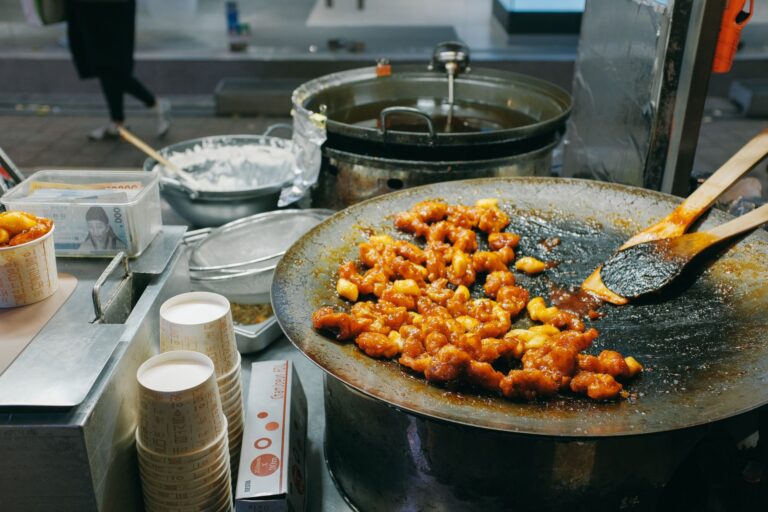
Watermelon soju is summer in a bowl. Vendors hollow out half a watermelon, pour in soju, and let the juices mingle. Spoon out the boozy fruit or blend it frozen for a slushy version. Beyond this, street stalls serve icy bingsu variations, hotteok pancakes (yes, even in heat), and tteokbokki that somehow works when it’s sweltering. The theme? Contrast. Cold against heat. Sweet against spice. Light yet satisfying.
For a taste of Korean summer, start with patbingsu. It’s the easiest to recreate at home and teaches the core lesson: temperature and texture trump fancy ingredients. Try it this weekend—you’ll see why queues form when temperatures spike.