Tokyo
Tokyo Bangkok
 Seoul
Seoul Singapore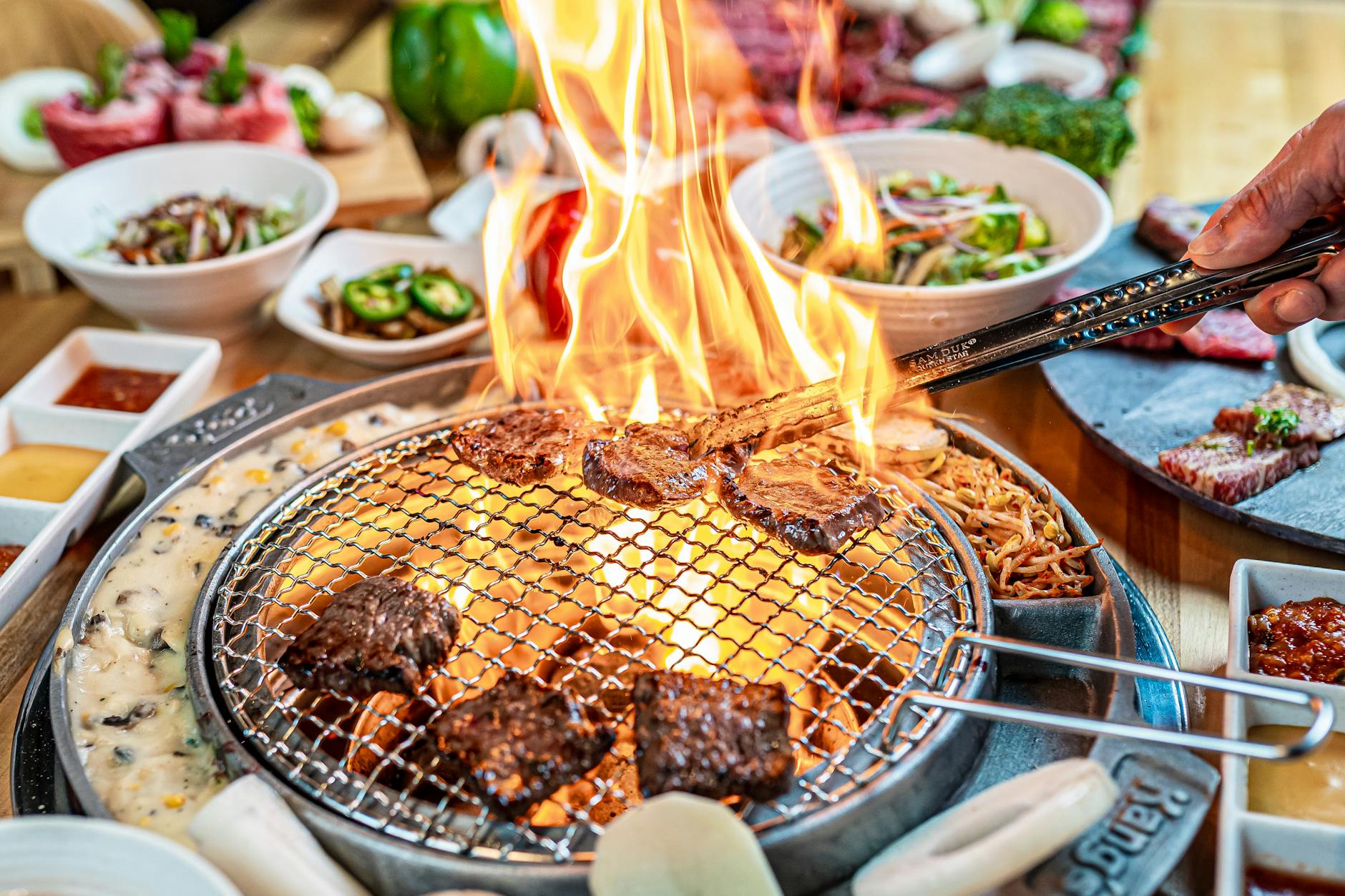
Korean BBQ Chains Taking Over: The Global KBBQ Revolution
Korean barbecue isn’t just popular—it’s everywhere. Over 300 new KBBQ spots have popped up across North America, Europe, and Asia-Pacific in just five years. That’s nearly half again as many as the decade before. What began as a Seoul specialty now changes how people everywhere share meals, cook together, and experience Korean flavors.
The Hallyu Effect: How Korean Culture Conquered the World’s Dinner Tables
Korean BBQ’s rise ties directly to the Hallyu wave. Think BTS mania, Squid Game binges, and suddenly everyone wants to try the food too. Netflix’s «Barbecue» documentary and cooking shows turned KBBQ from “weird foreign food” to “must-try experience.”
Timing helped. Younger diners crave real cultural connections, and Korean BBQ delivers—a hands-on, shareable feast with deep roots. Chains like Korean BBQ House and Gen Korean BBQ rode this wave hard. Gyu-Kaku? They’ve got 70+ locations from Tokyo to Sydney to LA.
Check the numbers. London’s New Malden Koreatown has three times more KBBQ joints than in 2018. Sydney’s Korean spots now outnumber Japanese ones. Even New York’s sushi-heavy Flatiron District packs five KBBQ chains within two blocks.
Why Communal Dining Is the Future of Restaurant Experiences
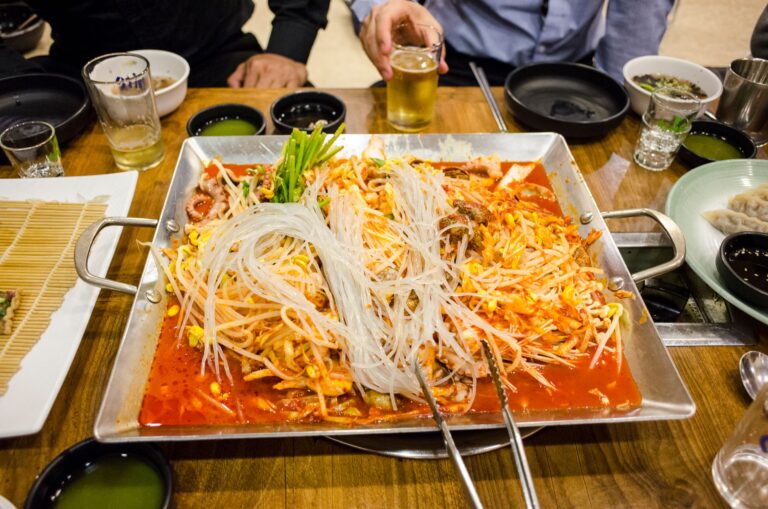
It’s not just about the meat. Korean BBQ taps into something deeper—people actually talking while they eat. The shared grill, passing banchan sides, cooking together—it fights our phone-zombie tendencies with old-school human connection.
Post-COVID, this hits different. Restaurants noticed KBBQ tables stick around 40% longer than fine dining ones. More time means more soju orders, extra meat plates, bigger checks. Smart business.
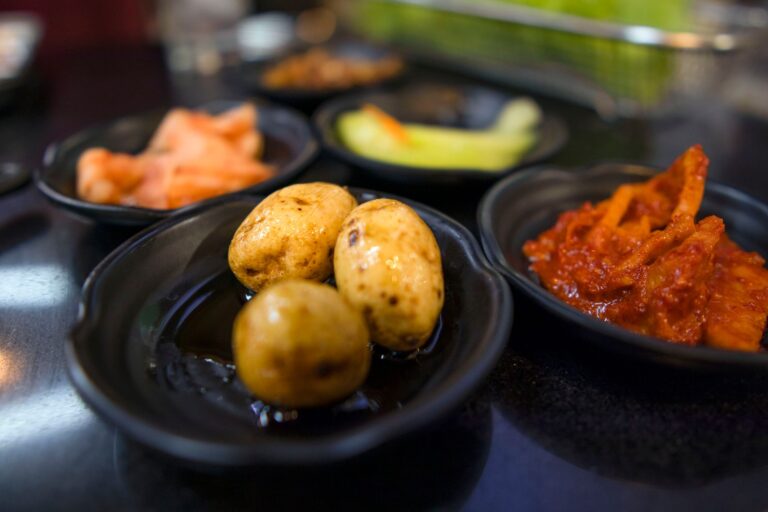
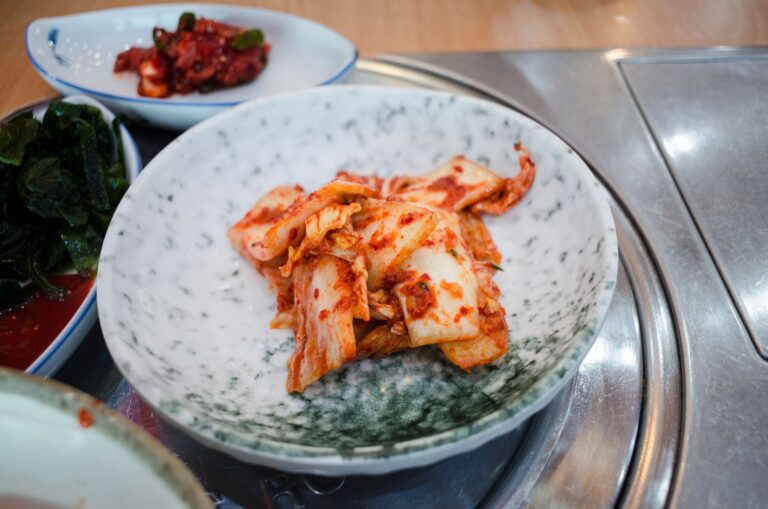
Banchan seals the deal. Those little dishes—kimchi, pickled veggies, dipping sauces—turn dinner into a flavor adventure. First-timers always gawk at the spread. Between grilling your own food and sampling twenty sides, it’s dinner and a show.
The Business Model That’s Reshaping Restaurant Economics
Korean BBQ prints money. Premium meats fetch top dollar. Tabletop grills cut kitchen staff. Upselling happens naturally—”Another round of pork belly? More soju?” Cha-ching.
In London or Sydney, expect to drop £45-65 per person—way above other Asian spots. All-you-can-eat formats trick your brain into feeling you’re winning, while restaurants still profit on portion control.
Franchises love it. The concept works anywhere. Melbourne, Manchester, Miami—the sizzle sounds the same. Smoke and sharing translate globally.
Navigating Your First Korean BBQ Experience: A Quick Guide
First time? Don’t panic. You’ll get raw meats, a hot grill, and enough banchan to feed a village. Pro tips: start with marinated cuts (harder to mess up). Cook in the center, move done pieces to the edges. Use those metal scissors—they’re not just for show. Wrap meat in lettuce with garlic and ssamjang sauce. Pace yourself. This meal’s a marathon.
What’s Next for Global Korean BBQ?
More growth, but smarter. Fancy KBBQ spots are testing fine dining waters in Singapore. Veggie options expand as meat concerns grow. Tech will help—tabletop ordering, grill temp alerts—without killing the vibe.
This isn’t a trend. It’s a full rewrite of how restaurants operate. Wherever you are, a KBBQ joint’s probably nearby. Go try it.