Tokyo
Tokyo Bangkok
 Seoul
Seoul Singapore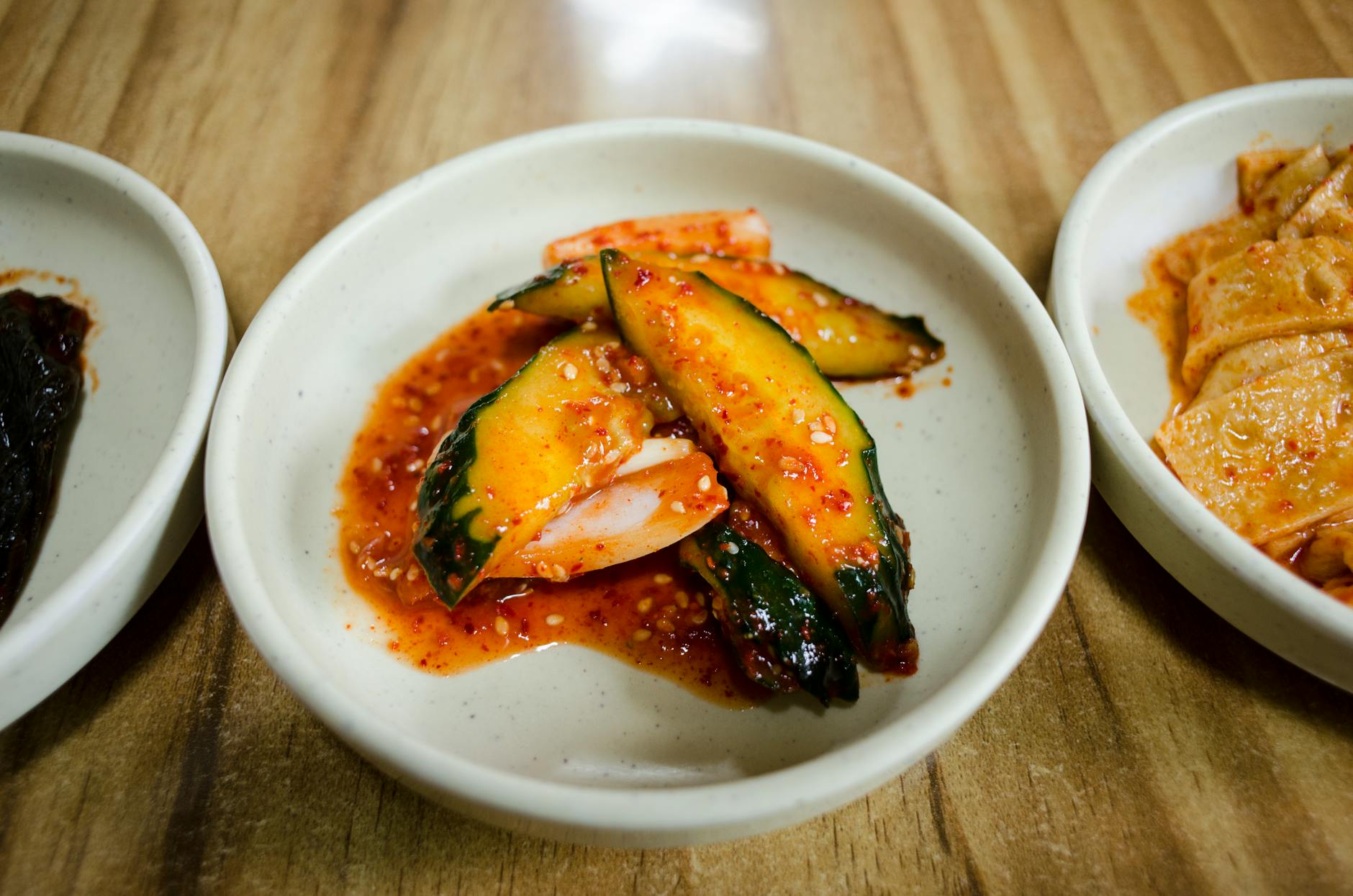
Gamjatang: Korean Pork Spine Stew Guide
When Seoul nights turn chilly, you’ll spot ajummas crowding pojangmacha stalls for steaming bowls of gamjatang—not for Instagram, but because it’s cheap, hearty, and just right after a tough day. This isn’t fancy restaurant fare. It’s what Korean families eat when they need something filling for less than 10,000 won. The star? Dwaeji ppyeo (pork spine), a cut butchers used to toss out. Now it simmers for hours until the meat slides off bones into a broth packed with potatoes and perilla leaves.
Why Pork Spine, and Where It Comes From
Gamjatang was born from Korea’s no-waste cooking philosophy. Pork spines—backbones with meat still clinging—cost almost nothing but deliver big flavor. Unlike pricier cuts, they need time. That’s the secret. Slow cooking turns cartilage into gelatin, giving the broth its rich texture without shortcuts.
By the 70s and 80s, restaurants caught on. Suddenly this humble stew had its own alleys in Jongno-gu and Gangnam-gu, where family-run spots still use the same methods today. Proper gamjatang demands spines—not ribs, not shoulder. The bones’ shape and fat distribution change everything.
Regional Styles: Seoul, Busan, and Jeonju Differences
Seoul keeps it clean: pork, potato chunks, perilla leaves, garlic, gochugaru. The broth stays light. Hit up Hongik University or Gangnam Station backstreets at lunch for the quick-service version.
Basan throws in anchovy stock or squid—no surprise near the coast. Their broth runs deeper, more layered. Jeonju goes earthy with extra doenjang and fistfuls of perilla leaves, turning the stew almost green.
Potatoes tell the story too. Seoul likes them firm. Busan mashes some into the broth. No hard rules here—just generations of cooks using what they’ve got.
How Koreans Actually Eat Gamjatang
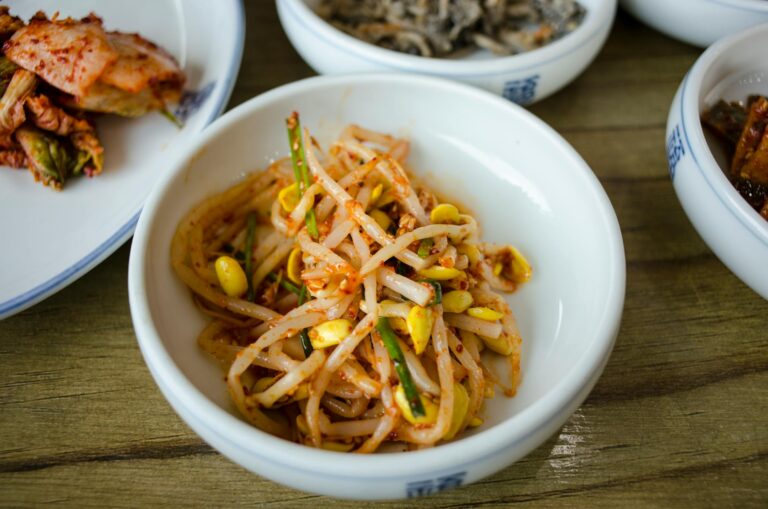
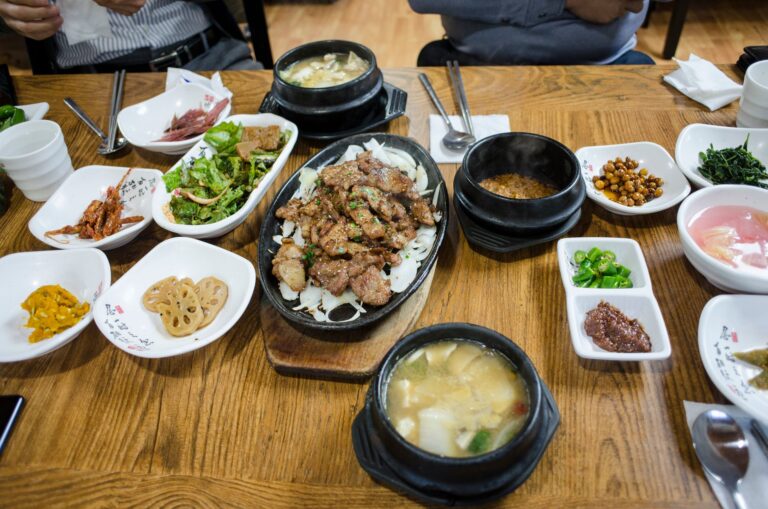
Nobody eats this solo. Banchan arrives first—kimchi, spinach, radish. You’ll get gochujang mixed with broth for dipping. Tear leaves, wrap meat, dip, repeat. It’s hands-on.
Sharing’s baked in. Ordering single portions gets side-eye at pojangmachas. Dig in together—fish for potatoes, coax meat from bones. Soju or beer cuts the fat perfectly.
Timing matters. This is cold-weather food. Street stalls don’t bother in July. Show up after 5 PM when office workers need warming up. Lunch? Only at dedicated spots.
For the real deal, skip tourist zones. Find a residential stall. Bring a Korean friend if you can. Order for two. Don’t overthink it—just watch how the broth deepens, the potatoes soften, the meat gives way. That’s the magic.