Tokyo
Tokyo Bangkok
 Seoul
Seoul Singapore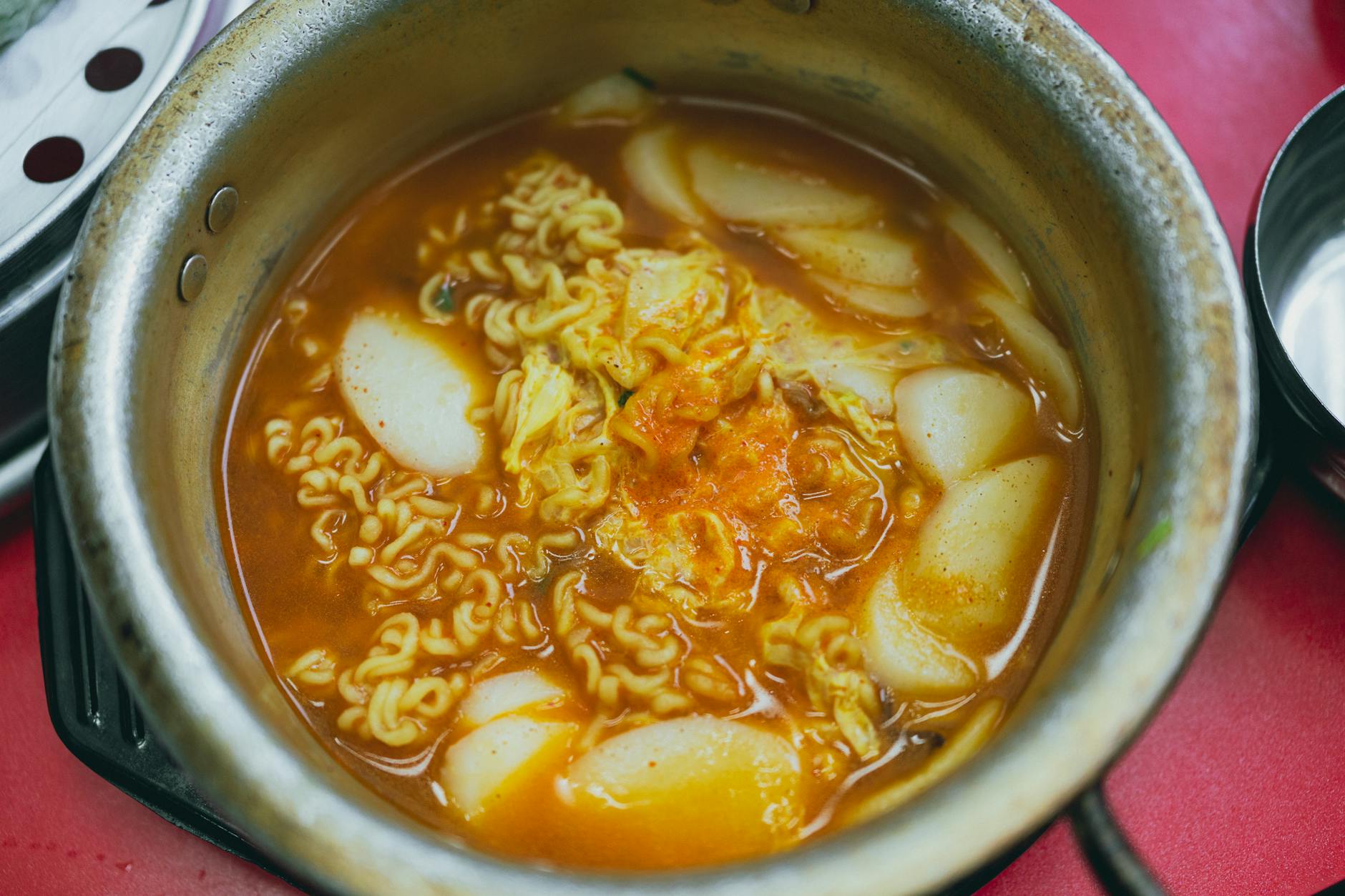
Tteokbokki: How Korea’s Spicy Rice Cake Conquered the World
From Seoul Street Stalls to International Obsession: The Tteokbokki Story
Scroll through TikTok or YouTube lately? Chances are you’ve seen someone slurping up glossy red rice cakes at lightning speed. Tteokbokki—Korea’s fiery street food staple—has come a long way from its roots at Seoul’s Namdaemun Market. What began as cheap fuel for 1950s schoolkids now draws crowds at specialty shops from London to Sydney. Proof that comfort food can travel farther than anyone expected.
The Cultural History Behind Korea’s Most Iconic Street Food
This wasn’t always a spicy dish. Tteokbokki changed with Korea’s turbulent 20th century. Early versions used soy-based broth, appearing in royal kitchens during the Joseon Dynasty. The modern fiery twist came after the war, when gochugaru chili flakes became kitchen essentials. Street vendors near schools tweaked the recipe to feed hungry students—and it stuck.
Smart business, really. Vendors at Namdaemun and Myeongdong knew cheap, filling, flavor-packed food would sell. By the 1960s, that bright red gochujang sauce defined tteokbokki. Fish cakes, eggs, and veggies joined the party later. A perfect example of how street food mirrors a society’s needs.
How Mukbang Videos and Social Media Made Tteokbokki Go Viral
Tteokbokki’s global takeover started with our screens. Korean mukbang videos—those addictive eating broadcasts—exploded around 2010. The dish’s shiny sauce and chewy texture made it camera gold.
Western viewers caught on by 2018. TikTok’s #tteokbokki tag now tops 2 billion views. Bloggers raved about that first spicy, bouncy bite. Suddenly it wasn’t just food—it was a challenge, a photo op, a way to taste Korean culture.
Making Authentic Tteokbokki at Home: What You Need to Know
Good news: you can nail this at home. Start with frozen Korean rice cakes from any Asian market. The sauce mixes gochujang, chili flakes, sugar, garlic, and soy sauce. Simmer it with anchovy broth for extra depth.
Texture is key. Boil rice cakes separately first—they should stay chewy, not turn to mush. Medium-high heat helps the sauce cling perfectly. Toss in fish cakes or boiled eggs at the end.
Too spicy? Use less gochugaru. Feeling bold? Try the Korean hack: melted mozzarella. Sounds weird, tastes amazing.
The Global Tteokbokki Landscape: From Seoul to Your City
Today’s options are wild. Korean spots worldwide serve classic versions, while fusion joints get creative—think tteokbokki tacos or pizza. Chains like Tteokdobokki now operate globally, tweaking portions for new audiences.
Online Asian grocers make authentic ingredients easy to find. Travelers hunt down tteokbokki in Seoul, then crave it back home. The cycle continues.
Why Tteokbokki Deserves Your Attention
This isn’t just another food trend. Tteokbokki proves great flavors cross borders naturally. It’s cheap, adaptable, and actually lives up to the hype. Whether you’re exploring Korean cuisine or just love good food, that steaming red bowl delivers.