Tokyo
Tokyo Bangkok
 Seoul
Seoul Singapore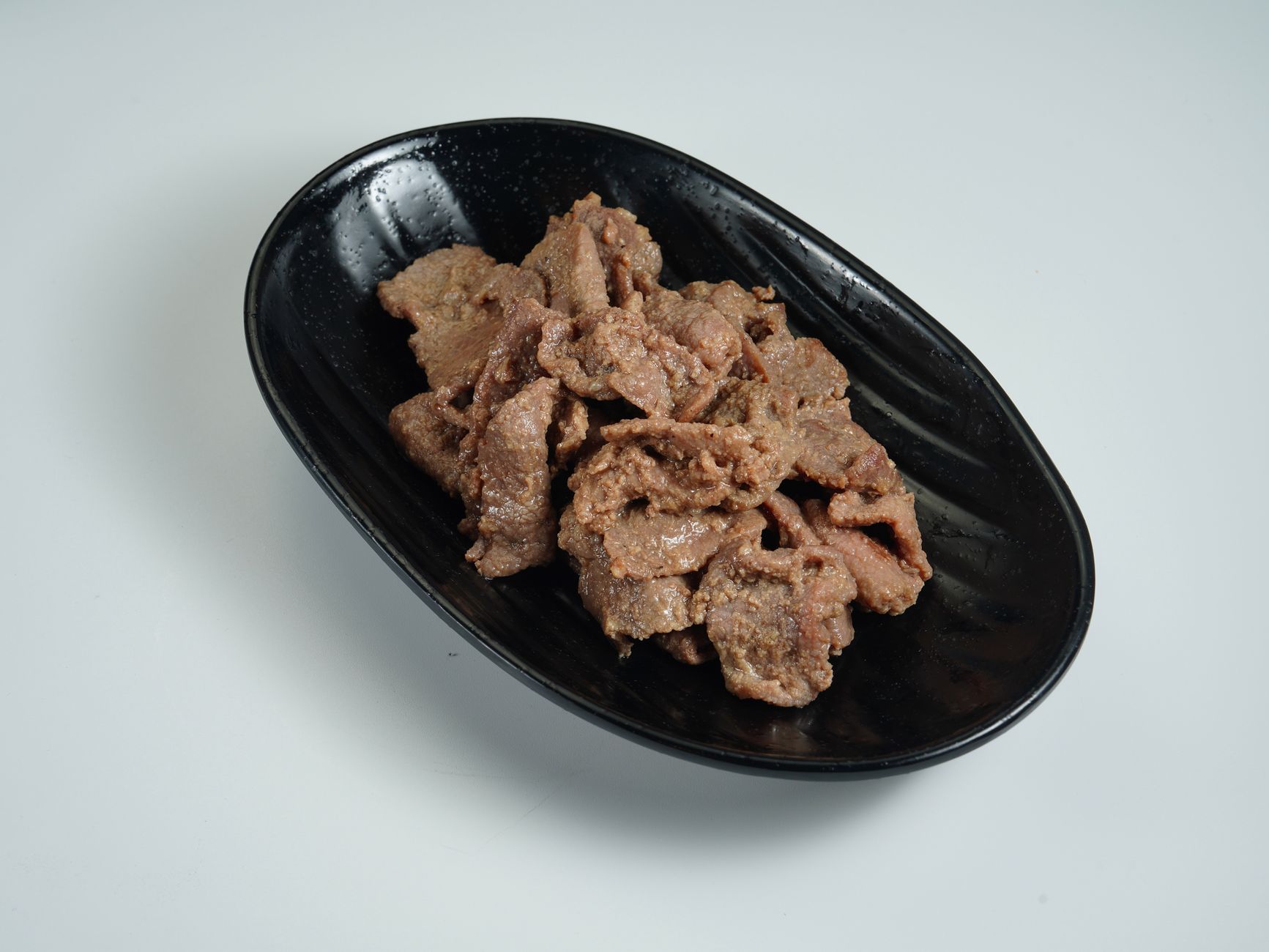
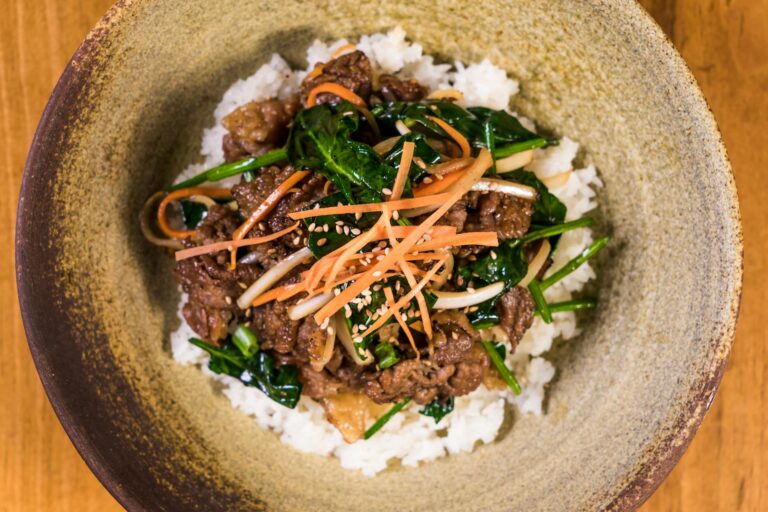
Bulgogi: Korean Grilled Beef Guide & Regional Styles
Bulgogi wasn’t always Korea’s go-to dish. Back in the Joseon Dynasty, aristocrats picked up Mongolian grilling tricks through trade routes. What began as fancy palace food became everyday fare after the Korean War, when beef got cheaper. In just decades, it went from royal treat to national obsession—proof that good food finds its way to everyone.
The name says it all: “fire meat.” But the real secret’s in the marinade. Soy sauce, sesame oil, sugar, garlic, and pear juice work together to tenderize the beef and create that perfect crust. The pear’s key—its enzymes soften the meat naturally, which is why Korean cooks swear by it instead of store-bought tenderizers.
How Bulgogi Changes Across Korean Regions
Seoul bulgogi leans sweet, with caramelized edges that crunch. Busan’s version packs more garlic punch, sometimes with a whisper of seafood broth from its fishing roots. Down in Gwangju, they add local chili flakes for warmth and double down on sesame. Every region puts its own spin on it.
Jeonju, Korea’s food capital, serves it razor-thin with minimal seasoning to let the beef shine. Daegu turns it into a feast—charcoal-grilled at your table with up to fifteen banchan sides. These differences aren’t random. They’re shaped by local history, ingredients, and generations of home cooks tweaking their recipes.
Eating Bulgogi Like You’re in Korea
Forget plating it like steak. Bulgogi arrives sizzling, with lettuce leaves, spicy ssamjang, and raw garlic. The move: wrap beef in lettuce with sauce and garlic, then take a bite. This ssam style isn’t just tradition—it makes the flavors pop in ways forks can’t.
Banchan aren’t garnish. Pickled radish cuts the richness, kimchi adds crunch, and egg custard balances the heat. Koreans always pair bulgogi with rice and soup—it’s a full meal, not just meat. At restaurants, ask for “soegogi bulgogi” to get the beef version, and don’t be shy about requesting extra lettuce. They’re used to it.
Making it at home? Slice ribeye thin, marinate for four hours, then blast it with heat. The cooking’s easy. The art is in building each bite: lay out your lettuce and sides before you start. Eating it wrapped isn’t just better—it’s the only way that makes sense.