Tokyo
Tokyo Bangkok
 Seoul
Seoul Singapore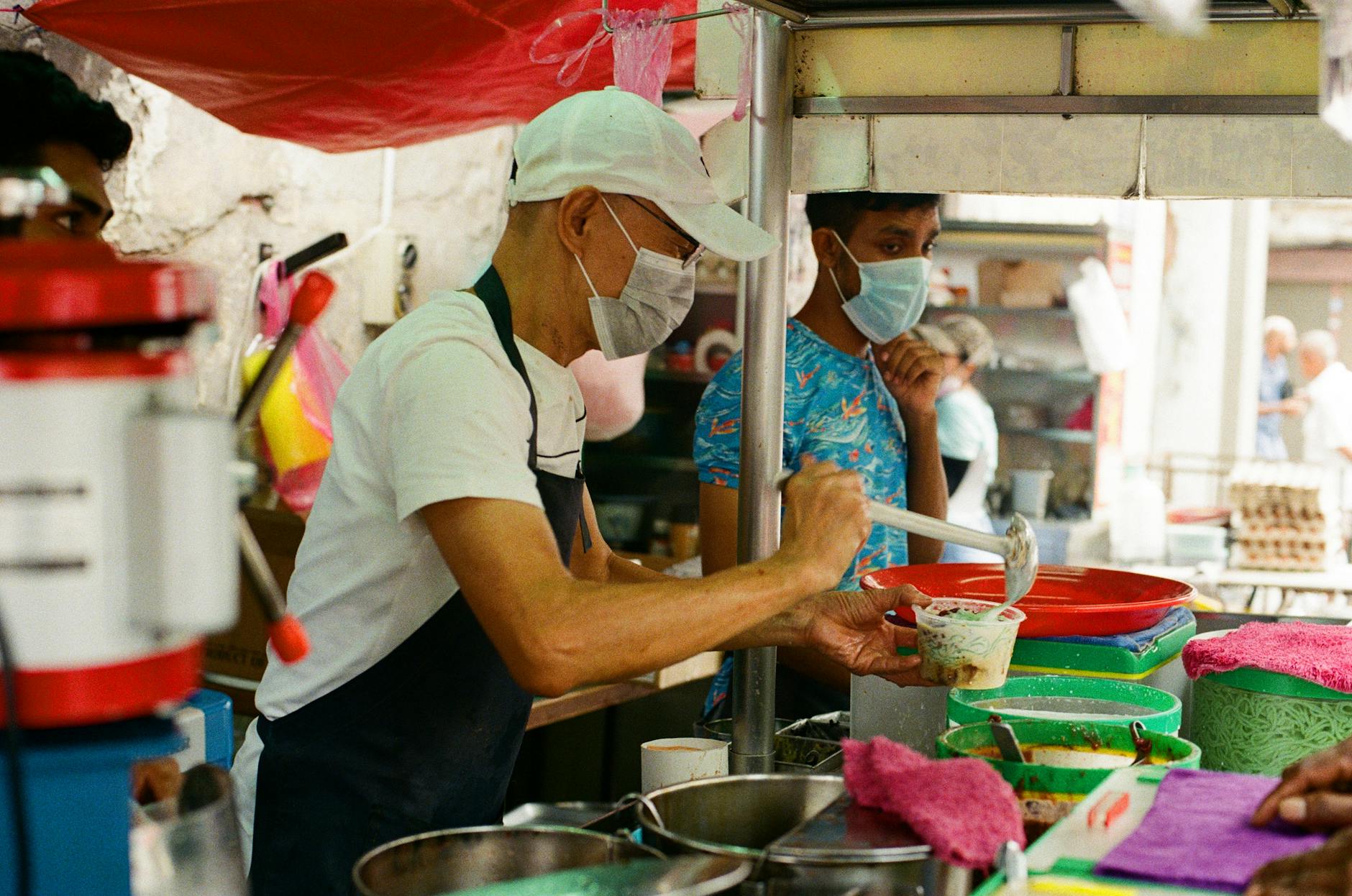
The Best Nasi Kandar in Penang: Where to Eat Right Now

Why Penang Owns Nasi Kandar
Nasi kandar isn’t just food in Penang—it’s the rhythm of the city. Indian Muslim vendors started it all, balancing rice and curry on shoulder poles through Georgetown’s backstreets. Now? It’s Penang’s signature. KL and other spots have it too, but here, nasi kandar is everything. You can’t walk five minutes without hitting a stall. The proof? Some spots rack up 11,000+ reviews, ratings locked above 4.5 stars. That’s not luck. That’s love.
The Five Restaurants You Actually Need to Know
1. Nasi Kandar Deen Mutiara (George Town)
First stop. With 7,412 reviews and a 4.9-star average, this place sets the standard. Find it at 74 Jalan Hutton. The rice? Fluffy, ghee-kissed, spiced just right. No magic tricks here—just perfect execution. Curry balanced, chicken tender, pickles crisp. Even the garnish stays fresh. When locals eat here twice a week, you know it’s good.
2. Deens Maju Nasi Kandar (Jalan Gurdwara)
Don’t write this off as just another branch. At 170 Jalan Gurdwara, it pulls 11,959 reviews and a 4.4-star rating. Chaos reigns—loud, packed, relentless. The curry packs real heat, not the fake kind. Lunch is a battle; show up by 11:45am or brace for lines.
3. Nasi Kandar Deen Tanjung (Tasek Gelugor)
Up north at 83 Jalan Ara Jaya, this newer branch keeps it clean and calm. 4.8 stars from 312 reviews. Same quality as the flagship, minus the Georgetown crowds. Ideal if you want the Deen taste without the scramble.
4. Hussain’s Nasi Kandar (Aeon Big Bukit Minyak)
Ground floor of Aeon Big Shopping Centre. 4.7 stars, 997 reviews. Mall food? Usually a gamble, but Hussain’s delivers. AC is a godsend in Penang’s heat. Their fish curry? Tender, not chewy—a rare win.
5. Nasi Kandar Sulaiman (Jalan Air Itam)
Old-school at 739 Jalan Air Itam. 2,840 reviews, 4.5 stars. Plastic stools, ceiling fans, banana leaves if you ask. The chicken curry recipe hasn’t changed in 30 years. This is nasi kandar before it went viral.
What Makes Penang Different
Nasi kandar exists everywhere. Penang’s version? Better. Rice gets refreshed every two hours—no sitting around. Seafood isn’t an afterthought; fish, squid, prawns star on menus. The pickles? Crisp, tangy, never soggy. Portions are smart, not just big. You leave full, not stuffed.
How to Actually Eat Nasi Kandar in Penang
Timing is key. Breakfast runs 6:30am-9:30am, lunch 11am-2:30pm. Dinner’s unreliable—many close by 4pm. Breakfast leans lighter with turmeric rice. For the real deal, hit lunch.
Ordering’s simple. Point at proteins—chicken, fish, squid. Pick your curry (usually 3-4 choices). Add veggies, pickles. Costs 8-12 MYR ($1.70-$2.50). Cash only at most places; mall spots take cards.
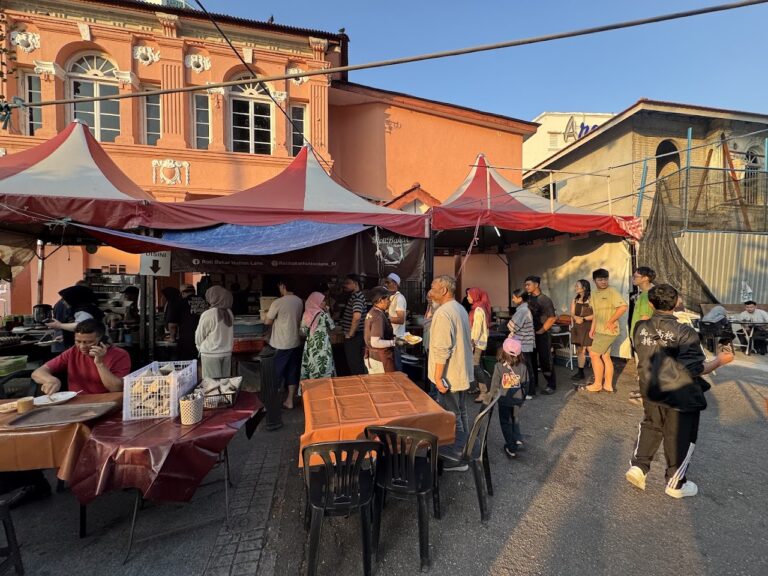
Plastic chairs, shared tables, zero quiet. Construction workers, office types—all elbow-to-elbow. Eat fast. They need the seats.
Add This to Your List
Penang’s nasi kandar should rank with Bangkok street food or Singapore hawker stalls. Thousands of glowing reviews don’t lie. This is a city that’s polished one dish to perfection. Whether you hit Deen Mutiara or a random corner stall, you’re tasting what keeps Penang fed. Worth the flight.