Tokyo
Tokyo Bangkok
 Seoul
Seoul Singapore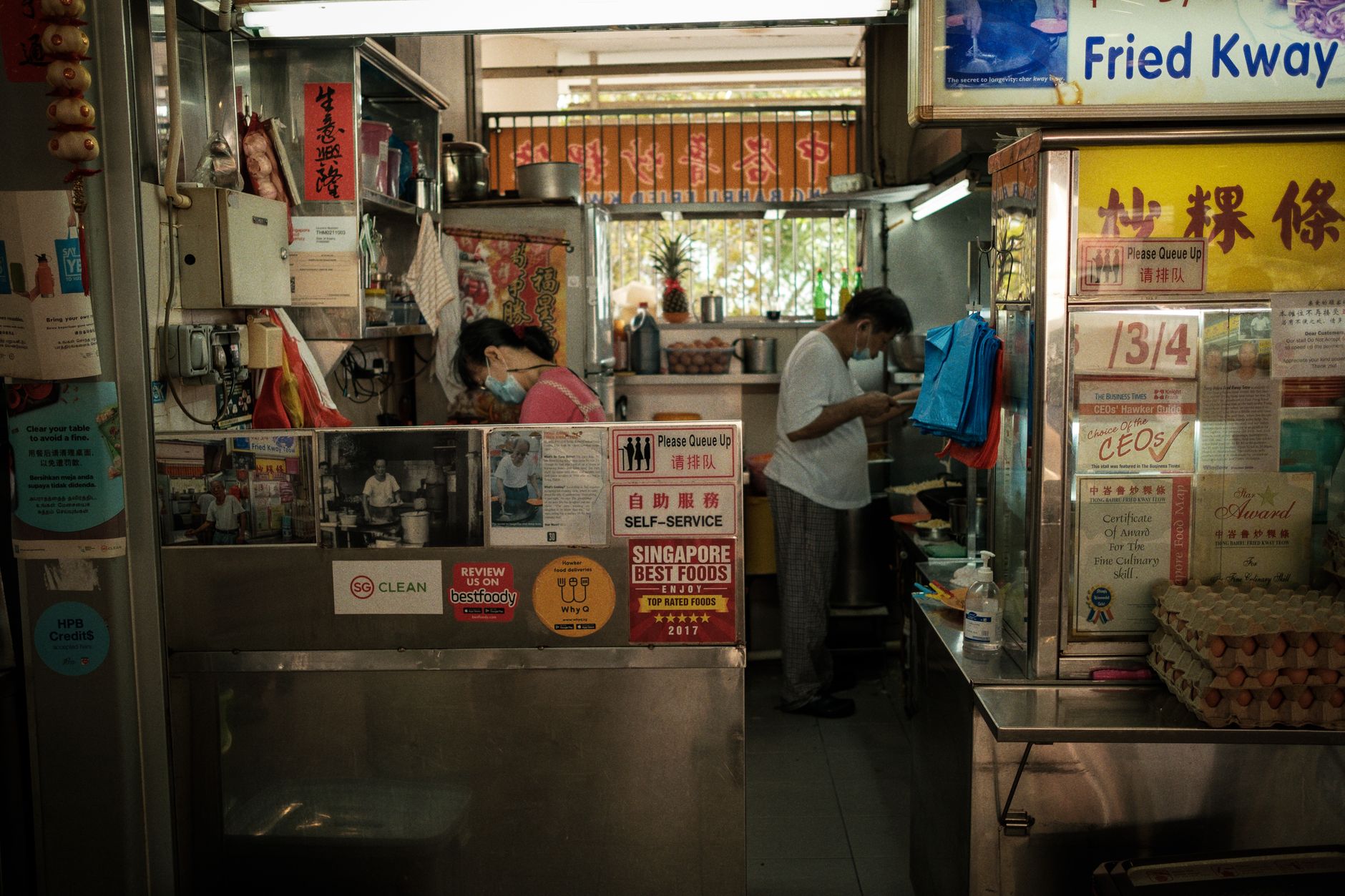
Singaporean Hawker Culture: From Street Carts to UNESCO Status
For most Singaporeans, breakfast isn’t homemade—it’s grabbed from the hawker stall downstairs at dawn. Some families have ordered from the same vendor for generations. This isn’t just tradition. It’s how the city works.
When Street Carts Became Infrastructure
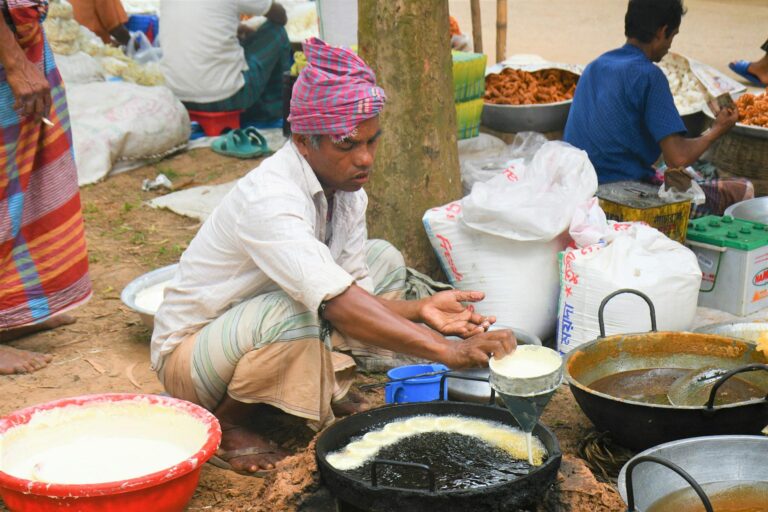
Singapore’s hawker system wasn’t built on foodie dreams. It was survival. In the 1950s, factory workers needed cheap, fast meals. Mobile vendors showed up with carts selling laksa, char kway teow, satay—everything cooked on the spot. Other cities cracked down. Singapore saw a solution.
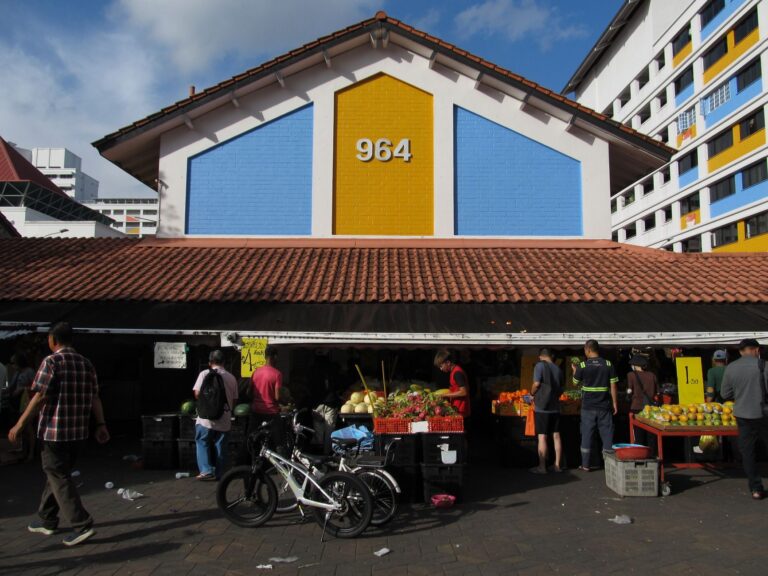
By the 1970s, the government got organized. They built hawker centres—indoor markets with proper stalls, water, and trash systems. Places like Tiong Bahru Market set the standard: tight rows of specialists, each nailing one dish. Locals didn’t care about ambiance. They cared that their $3 breakfast stayed dry during monsoon season.
The Stall Owner’s Craft (Not Art)
Hawker cooking isn’t about creativity. It’s muscle memory. A chicken rice stall at Tanjong Pagar fits a broom closet. Three burners. One wok. No room for error. They crank out 200 identical plates daily. For 30 years.
Constraints create precision. Top char kway teow vendors at Zion Road or East Coast Lagoon know their wok’s quirks in different humidity. They track which cockle supplier had the best haul Tuesday. Regulars notice if the bean sprouts lose their crunch. There’s no hiding.
Fewer young Singaporeans want this life. Stalls vanish when owners retire. The UNESCO bid wasn’t about fame—it was a lifeline for vanishing know-how.
Recognition Changed Nothing (And Everything)
When UNESCO added hawker culture to its list in 2020, locals shrugged. Some feared price hikes. Most just ate their usual kaya toast and moved on.
The real shifts were quiet. More funding for apprenticeships. Tourists started seeking out Maxwell Food Centre instead of just wandering in. Michelin stars surprised outsiders, not regulars. Prices inched up—but not much, thanks to fierce competition.
UNESCO’s stamp protected the system, not the noodles. It proved hawker centres weren’t relics—they’re essential. That mattered when developers eyed the land, or when kids wondered if slinging fishball noodles beat an office job.
Visitors: eat at hawker centres because the food’s unbeatable. But you’re not uncovering some secret. You’re borrowing a system that feeds millions daily. Sit wherever there’s space. Order what the auntie next to you is having. The culture’s in the routine, not the plaque on the wall.