Tokyo
Tokyo Bangkok
 Seoul
Seoul Singapore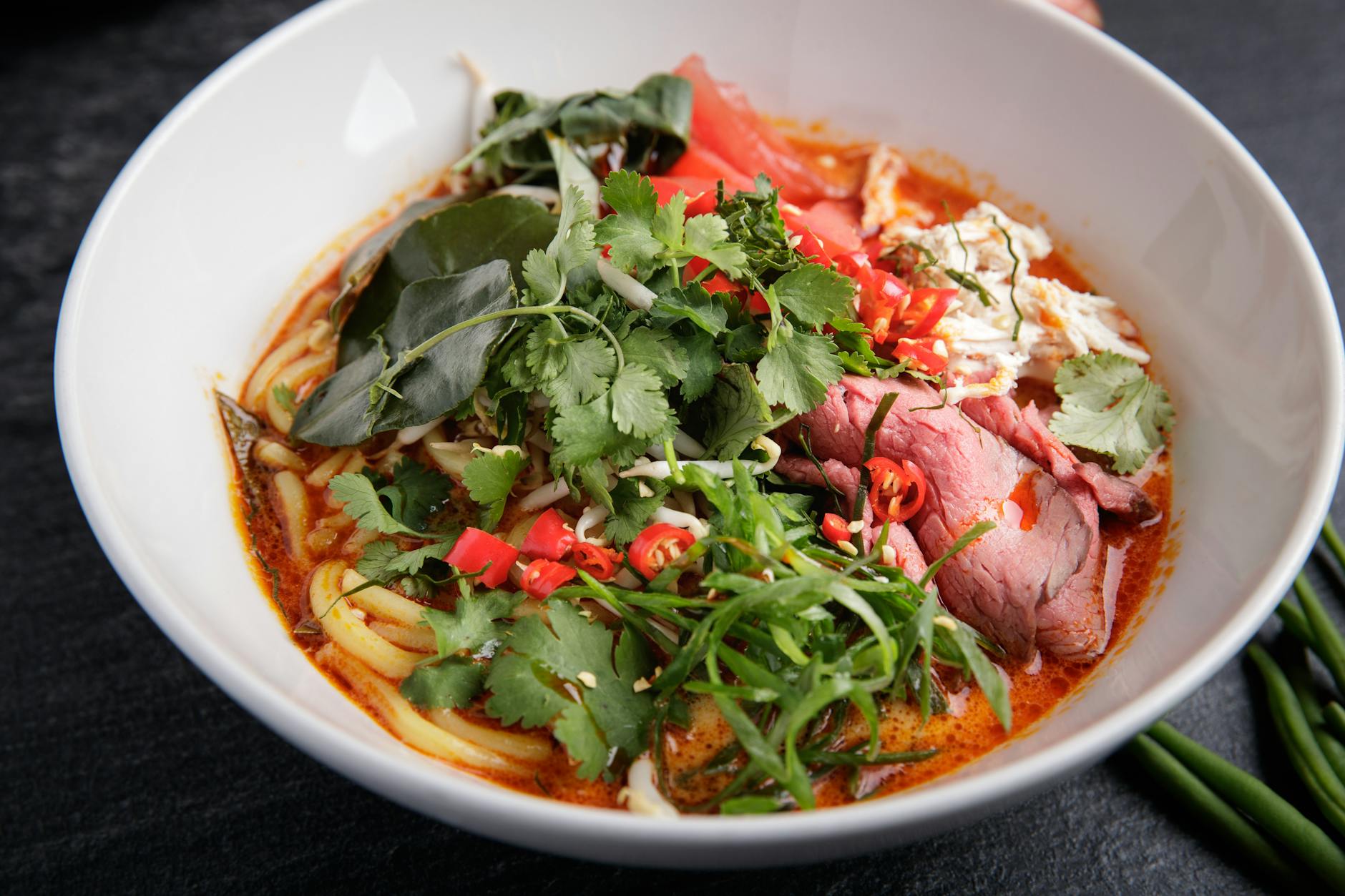
Make Laksa Paste at Home: The Nyonya Method
Laksa might seem like Malaysia or Singapore’s signature dish, but its paste reveals a deeper story. The Nyonya—descendants of Chinese traders who married Malay women in the Straits Settlements—crafted laksa paste as a fusion of Chinese techniques and Southeast Asian flavors. Here’s the twist: it wasn’t standardized until the 1900s. Before that, every Nyonya family had their own secret blend of candlenuts and shrimp, leading to the wild variety of regional styles still around today.
Why Candlenuts Are Non-Negotiable
Candlenuts (buah keras in Malay, kemiri in Indonesian) aren’t just another ingredient—they’re the glue that holds laksa paste together. These creamy, macadamia-sized nuts pack natural oils that give the paste its velvety texture. Find them in Asian markets labeled as candlenuts or kemiri, often vacuum-sealed. Skip the macadamia or almond substitutes. Candlenuts add a subtle bitterness that keeps the flavor from going flat. Penang versions use 8-10 per batch; Melaka leans lighter, letting dried shrimp take the spotlight. In a pinch, blanched almonds work—but use less. They’re not as oily.
Dried Shrimp: The Umami Anchor
Dried shrimp in laksa paste aren’t garnish—they’re stealth flavor bombs. Ground into powder, they add deep umami without stealing the show. Look for pink-orange shrimp from the South China Sea; gray ones are past their prime. A typical batch needs 3-4 tablespoons, soaked for 10 minutes first. This softens them for grinding. Some Penang cooks toss in belacan (shrimp paste) for extra punch. The result? A rich, savory depth that keeps you coming back for more.
Galangal and the Supporting Cast
Galangal—ginger’s peppery, pale-yellow cousin—gives laksa paste its sharp warmth. Fresh is best (2-3 inches, peeled), though frozen works. It grinds easy and won’t water things down. Round it out with shallots (4-5), garlic (3-4 cloves), lemongrass (2 stalks, white part only), and chilies (1-2, depending on heat). Skip the turmeric—real Nyonya paste gets its color from shrimp and shallots. A food processor or mortar and pestle does the job, but the stone mortar adds extra flavor. Aim for a gritty, wet-sand texture. That roughness helps it fry evenly before the coconut milk hits the pan.
Homemade laksa paste turns the dish into a kitchen staple, not just a takeout craving. Keep it refrigerated for 5 days or freeze for 3 months. One batch, and you’ll see why Nyonya cooks treated this paste like kitchen gold.