Tokyo
Tokyo Bangkok
 Seoul
Seoul Singapore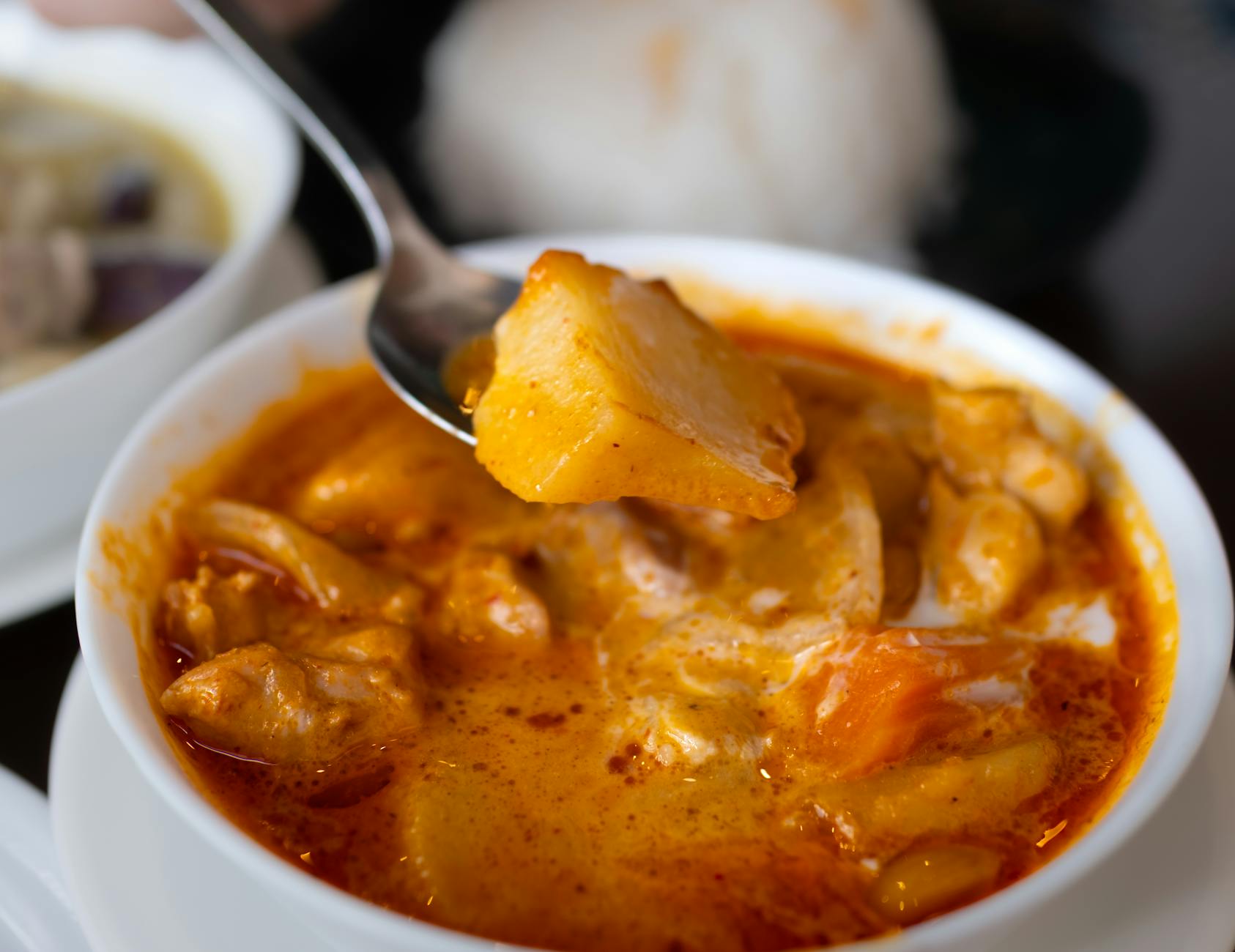
Make Thai Curry Paste at Home: Green vs Red From Scratch
In Thailand, curry paste isn’t some store-bought afterthought—it’s Sunday morning work, pounded fresh in a granite mortar while the family eats breakfast. The kitchen fills with green chilies, lemongrass, and galangal, signaling tonight’s dinner plans. This isn’t fancy restaurant stuff; it’s what real Thai families eat multiple times a week. Knowing when to use green versus red paste separates tourists from locals.
Why Fresh Paste Changes Everything in Your Cooking
Jarred paste loses its punch sitting on shelves. Fresh paste hits different. In Bangkok and Chiang Mai kitchens, mortars still rule—they bruise ingredients instead of shredding them, releasing flavors blenders can’t match. It’s not about making smooth puree. Green chilies go first, then salt, then tougher stuff like galangal. Each addition layers flavor. The result? A slightly grainy paste with depth no machine can copy. Takes fifteen minutes by hand. Worth every second.
Green Paste: The Everyday Choice for Home Cooks
Green paste dominates Thai home kitchens, especially up north. It starts with young green chilies—bird’s eye or milder market varieties. The usual suspects join in: garlic, shallots, lemongrass, galangal, Thai basil, coriander root if available, white pepper, salt. Some add shrimp paste; others skip it. Fresher and more herbal than red, it’s perfect for chicken-bamboo shoot curries or fish dishes with morning glory. Method: Pound 8-10 green chilies with salt. Add garlic and shallots. Work in lemongrass and galangal. Twelve minutes later, you’ve got paste that beats anything from a jar.
Red Paste: For When You Want Something Richer and Deeper
Red paste means mature red chilies—sweeter, rounder, deeper. Same ingredients as green paste, but the ripe chilies change everything. This is special occasion paste, for when guests come or you want mellower flavors. Perfect with beef, pork, or coconut milk seafood curries. Use 8-10 dried red chilies (soaked) or fresh ones if possible. Same pounding technique as green paste. Takes about the same time. Lasts longer too—those ripe chilies hold up better in the fridge.
Pick your paste based on what’s cooking tonight. Make it fresh in small batches. Your curry will make those bottled versions taste like sad imitations. Now you know why Thai grandmas still swear by the mortar.