Tokyo
Tokyo Bangkok
 Seoul
Seoul Singapore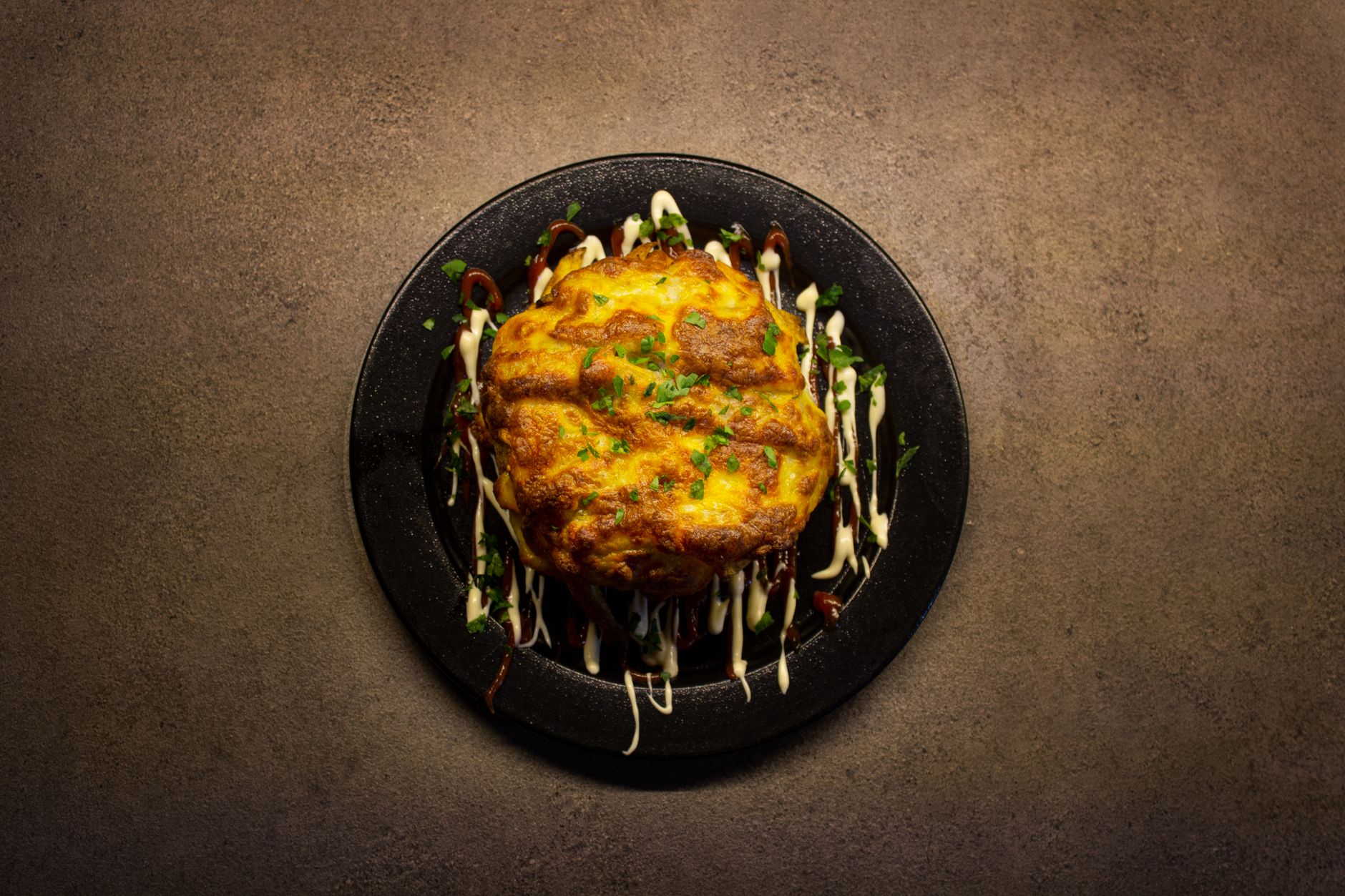
The Best Okonomiyaki in Osaka: Where Locals Actually Eat
Why Osaka Owns Okonomiyaki (And Why You Should Care)
Think you’ve had real okonomiyaki outside Osaka? Think again. This city didn’t just adopt the dish—it reinvented it. Unlike Hiroshima’s layered approach, Osaka mixes everything into the batter upfront. The result? A crispy-edged, custardy masterpiece. With over 2,000 dedicated spots, competition breeds perfection here. We crunched the numbers to find where that obsession pays off on your plate.
5 Spots That Prove Osaka Does Okonomiyaki Best
- Okonomiyaki Izakaya Gen (4.9★, 1,820 reviews) — Chuo Ward’s Souemoncho hides this gem where locals and salarymen crowd the counter. That 4.9 average across 1,800+ reviews isn’t a fluke. Their secret? Griddle mastery. Perfect heat control turns simple batter into something magical.
- Okonomiyaki Mitsuki Kuromon Ichiba (4.8★, 1,376 reviews) — Right in Kuromon Market, this spot gets first pick of the day’s freshest ingredients. The proof? Crisp cabbage that still snaps. 1,300+ happy eaters can’t be wrong.
- Teppan Okonomiyaki Mitsuki (4.8★, 1,158 reviews) — The sister location proves quality isn’t luck. Same name, same sky-high ratings. These guys have cracked the code on consistency.
- OKO – Fun Okonomiyaki Bar (4.7★, 2,479 reviews) — Dotonbori’s hidden surprise. Most tourist spots tank under volume—OKO thrives. Nearly 2,500 reviews and still going strong.
- お好み焼 enjin 康祐 (5.0★, 3 reviews) — The wildcard. Three perfect scores from locals in Yodogawa Ward. No English menu, no gimmicks—just decades of skill on the griddle.
Osaka’s Okonomiyaki Magic Trick
It’s all in the mix. Osaka style blends everything before cooking—no layering, no second chances. One shot to get the balance right. The batter sets fast, locking in flavors evenly.
Sauce here isn’t a blanket. It’s an accent. You’ll actually taste the charred edges and sweet cabbage. Tourist traps drown their mistakes in sauce; these spots don’t need to.
Toppings tell a story. Some swear by mentaiko’s spicy kick. Others keep it classic with bonito flakes dancing in the steam. The best joints? They’ll guide you but won’t judge your choices.
How to Eat Like You Mean It
Timing is everything. Hit the lunch window (11:30-1:30) or swing by after 5. The griddle shows are worth the wait—these cooks are performers.
Point. Nod. Eat. Menus usually have pictures. When in doubt, go for the house special. Budget about ¥1,000 per person.
Wait a hot minute before digging in. That sizzle isn’t just for show—it’s still cooking. Quarter it with the spatula. Burn your tongue a little. It’s part of the deal.
Real Food for Real People
This isn’t some artfully plated fad. Osaka’s okonomiyaki is working-class genius turned into edible gold. Those 4.7+ ratings across thousands of reviews? That’s not hype. That’s a city putting its money where its mouth is—one perfect bite at a time.