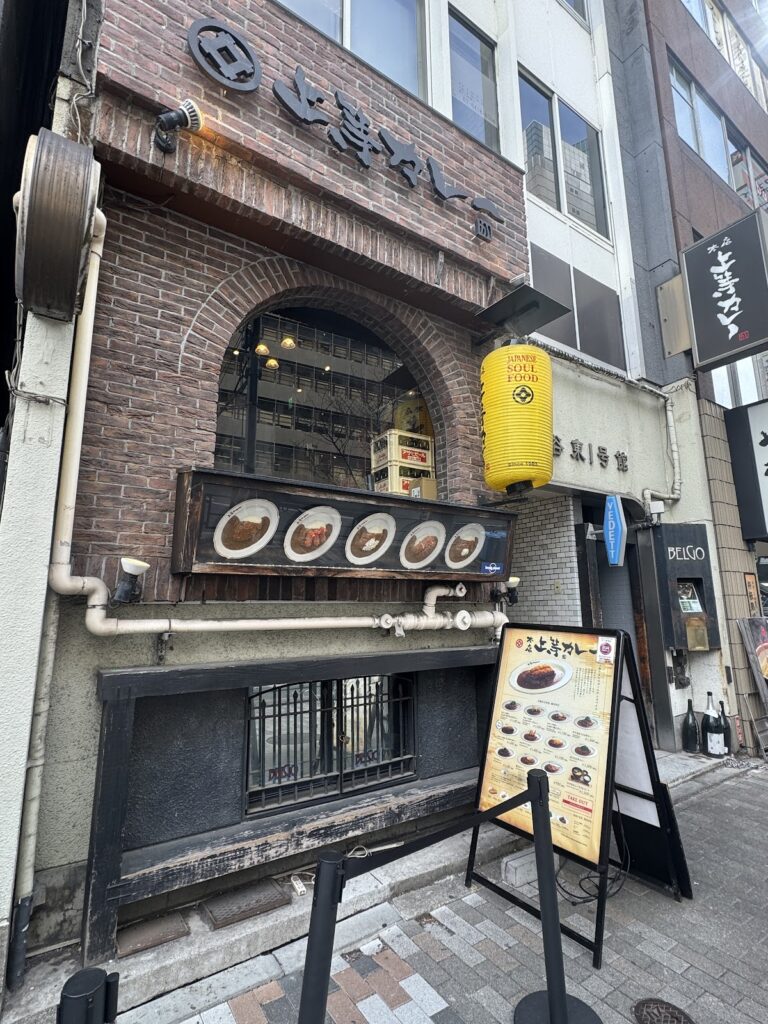
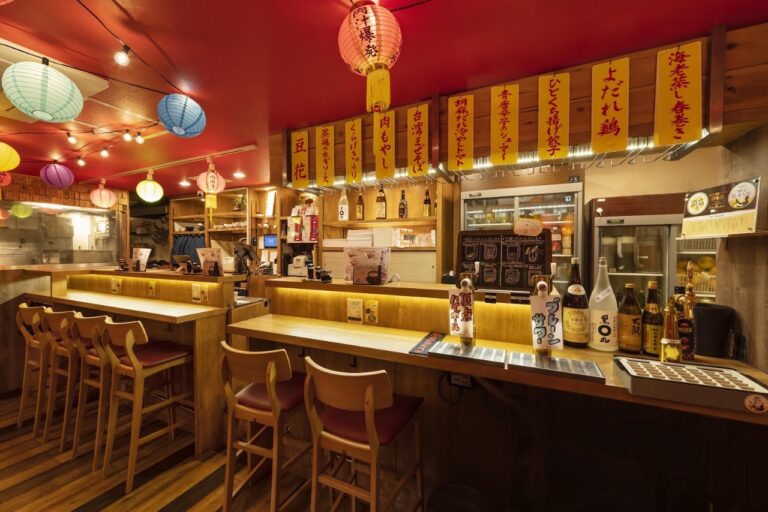
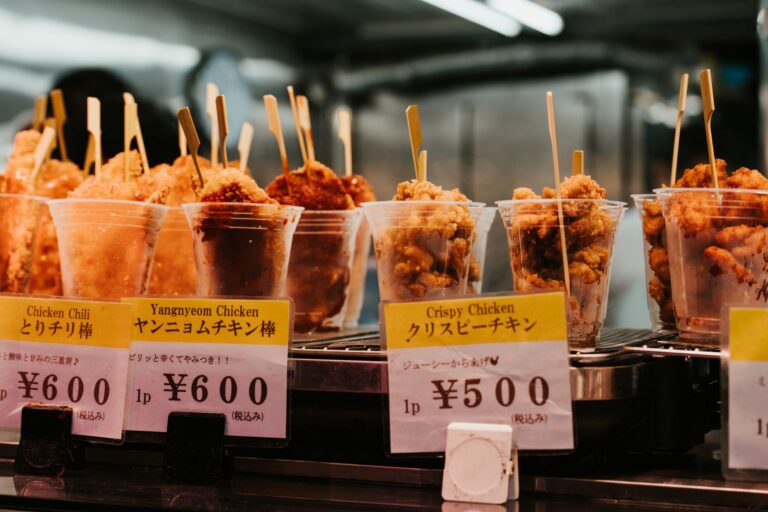
Tokyo
Tokyo Bangkok
 Seoul
Seoul Singapore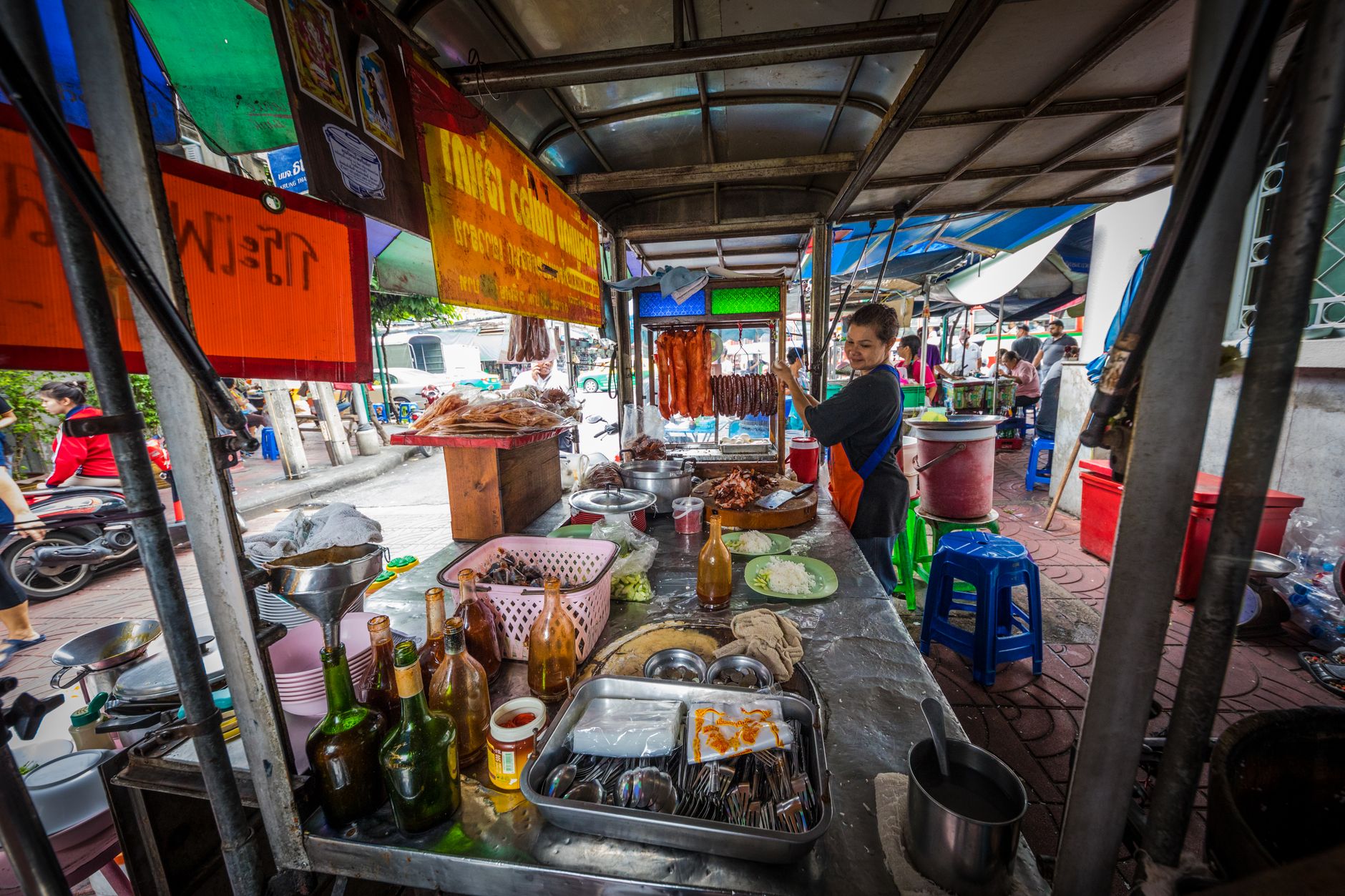
Miso vs Doubanjiang: Japan’s Sweet Paste Beats Sichuan Spice
Let’s settle this: miso beats doubanjiang for everyday cooking. Sichuan chefs might throw their woks at me for saying it, but it’s true. Both are fermented soy powerhouses, yet they couldn’t be more different. One quietly makes everything taste better. The other kicks down your taste buds’ door. This isn’t about picking favorites—it’s about using the right tool for the job.
The Fermentation Philosophy: Sweet Umami Versus Aggressive Heat
Japanese miso starts with koji, a friendly mold that transforms soybeans and grains into sweet, savory magic. No sugar added, yet it tastes subtly sweet. Fermentation takes anywhere from forty days to three years, building deep umami without attacking your palate. Kyoto’s white miso (shiro) ferments briefly, staying mellow and creamy. Sendai’s red miso (aka) goes longer, developing richer, earthier flavors. Doubanjiang plays a different game entirely. Sichuan producers ferment broad beans with chilies and salt, creating something fiery and intense. This fermentation isn’t about subtlety—it’s about preserving that chili punch. A spoonful of proper Pixian doubanjiang doesn’t blend in. It takes over. Both deliver umami, but miso whispers while doubanjiang screams.
Practical Application: When Each One Wins
Miso shines when you want depth without drama. Stir red miso into beef stew, whisk it into dressings, or rub it under chicken skin before roasting—it makes everything taste more like itself. That’s why miso has quietly invaded Western kitchens. Places like New York’s Balthazar or Sydney’s Quay use it in dishes where diners never guess its presence. Doubanjiang? It demands the spotlight. Mapo tofu, chongqing chicken, spicy noodles—these dishes live and die by doubanjiang. You don’t use it to enhance other flavors; you use it because nothing else can do what it does. Cooking Sichuan? You need doubanjiang. Making Italian, French, or modern American? Miso’s your flexible friend.
Quality Markers and Storage Reality
Real miso contains just three things: soybeans, koji, salt. Brands like Marukome, Hikari, or Vermont’s South River Miso keep it simple. Look for even color and spreadable texture. It lasts years refrigerated. Doubanjiang quality varies more. The gold standard, Pixian doubanjiang, uses specific beans and ferments at least six months. Try Doubanjiang Pixian or Lee Kum Kee’s Spicy Bean Sauce (though the latter’s tamer). Cheap versions often contain additives and taste weak. Both stay good on shelves until opened, then belong in the fridge. Here’s the thing: miso gets better with age. Doubanjiang? You buy it when you need that specific fire.
Cook often? Start with miso. It’s the more versatile choice. But don’t skip doubanjiang entirely. They’re not rivals—they solve different problems. Miso improves your cooking. Doubanjiang transforms it.