Tokyo
Tokyo Bangkok
 Seoul
Seoul Singapore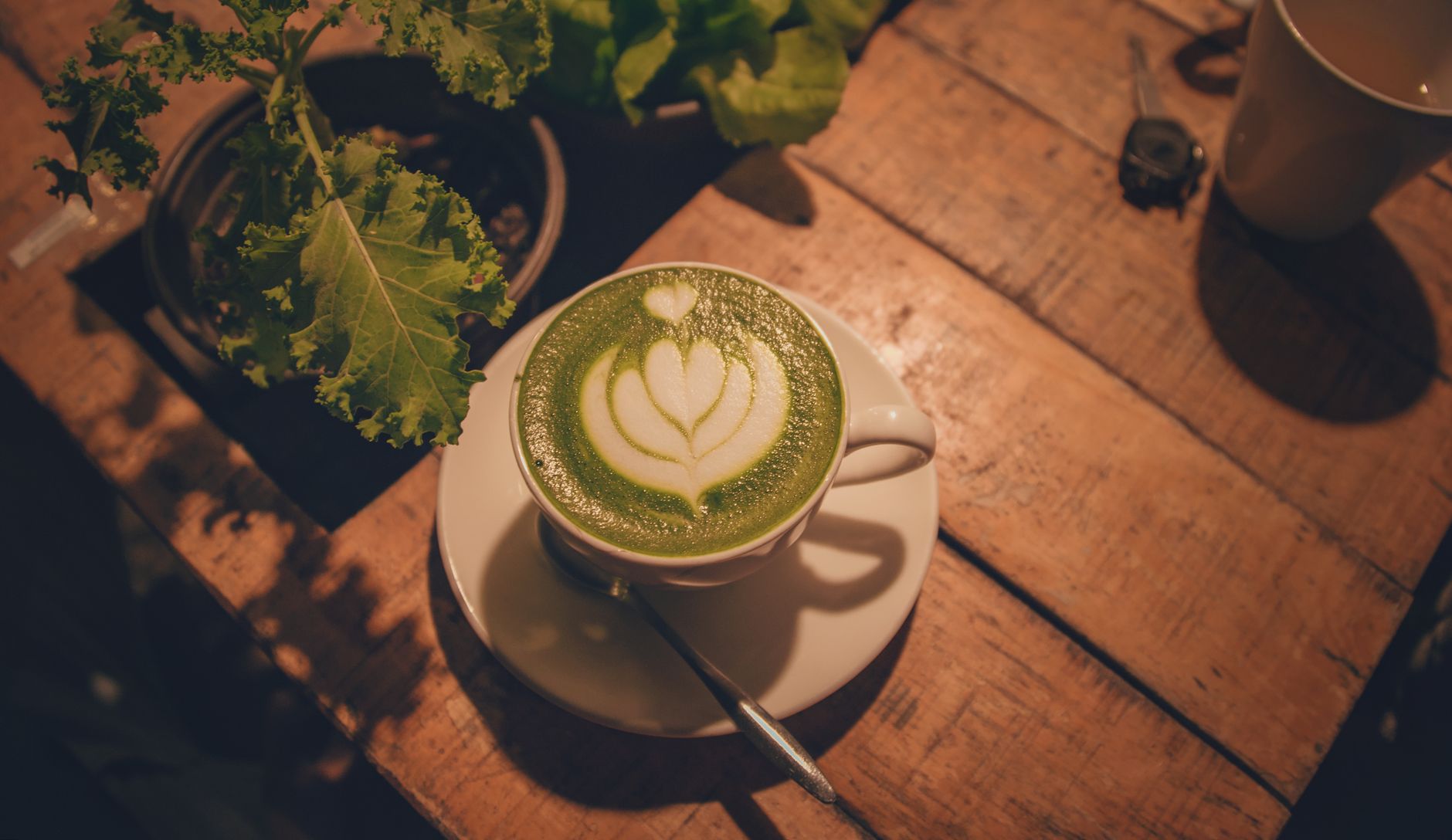
Matcha’s Real Health Edge: L-Theanine Over Hype
Matcha isn’t just a trendy superfood—it’s a functional drink backed by real science, and that’s way more fascinating than the wellness hype. While social media has turned it into a pretty pastel trend, the real deal lies in two key compounds: L-theanine and catechin antioxidants. Telling ceremonial from culinary grade isn’t about being picky—it’s about knowing what you’re actually getting versus paying top dollar for green powder in your latte.
The L-Theanine Advantage: Why Matcha Feels Different Than Coffee
L-theanine is an amino acid that changes the caffeine game compared to coffee or regular green tea. Drinking matcha—especially the ceremonial grade whisked at spots like Ippuku in Berkeley or Selfridges in London—means you’re getting 25-70mg of caffeine paired with 100-200mg of L-theanine. This duo sparks alpha brain wave activity, the same state as meditation, minus the espresso crash.
Here’s how it works: L-theanine crosses the blood-brain barrier, ramping up dopamine and serotonin while softening caffeine’s edge. Research from the University of Tokyo shows this combo boosts focus for 4-6 hours without the midday slump. Culinary-grade matcha has the same L-theanine, but lower leaf quality means more tannins, which can make it taste bitter and mask the benefits. Ceremonial grade—shade-grown for three weeks and stone-ground—offers a smoother experience.
Antioxidants: EGCG and Why Grade Actually Matters
Matcha packs EGCG (epigallocatechin gallate), a catechin antioxidant found in green tea but way more concentrated—about 137 times higher than brewed green tea. One serving of ceremonial matcha delivers around 1,568mg of antioxidants, blowing blueberries and acai out of the water. This isn’t fluff—it’s measurable through ORAC (Oxygen Radical Absorbance Capacity) testing.
Grade matters here. Ceremonial matcha uses only the youngest leaves from the top of the plant, which are richer in chlorophyll and less oxidized. Culinary grade includes stems and older leaves, cutting EGCG levels by 20-30%. When you pay £8 for a ceremonial latte at Grind in London versus £4 for culinary-grade powder at the store, you’re not just paying for prestige—you’re paying for leaf quality that directly impacts antioxidant absorption. Preparation counts too: whisking with hot water (70-80°C) preserves more compounds than boiling culinary matcha.
Practical Grade Selection: Where Your Money Actually Goes
Ceremonial-grade matcha should come from Japan’s top regions—Uji in Kyoto, Nishio in Aichi, or Enshi in Shizuoka—with a bright green hue and fine, talc-like texture. Expect to pay £15-25 for 30g from trusted brands like DoMatcha or Jade Leaf. This grade deserves the traditional treatment: whisked with a bamboo whisk in hot water and sipped solo to savor its grassy, slightly sweet flavor.
Culinary grade is perfect for lattes, smoothies, or baking—anywhere it’s mixed with milk, sweeteners, or other ingredients. At £4-8 for 100g, it still delivers L-theanine and solid antioxidants without breaking the bank. Reality check: if you’re ordering a matcha cappuccino in Sydney or New York, they’re likely using culinary grade, no matter what they say. And that’s okay. If you’re drinking matcha at home for the health perks, ceremonial grade is worth it—you’re consuming the whole powder, not diluting it with milk and sugar.
The bottom line? Matcha isn’t a miracle, but it’s a legit tool for mental clarity and antioxidants when you know what you’re buying. Forget the Instagram aesthetic—focus on grade, origin, and prep. That’s where the real benefits are.