Tokyo
Tokyo Bangkok
 Seoul
Seoul Singapore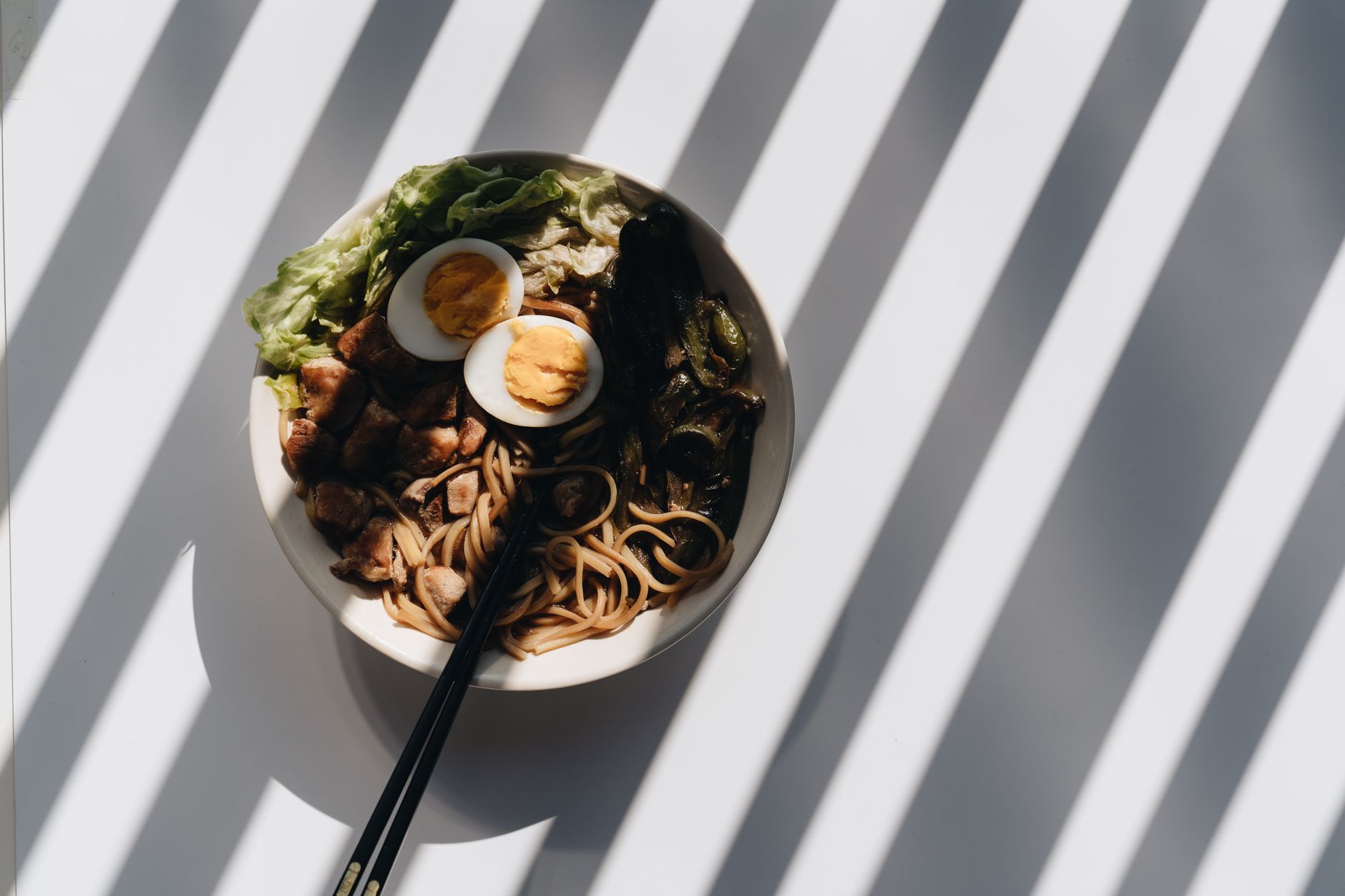
Tantanmen: Japan’s Spicy Ramen Explained
Tantanmen isn’t traditional Japanese food—and that’s why it’s fascinating. This spicy ramen came to Japan with Chinese immigrants in the early 1900s, got tweaked for local tastes, and became so ingrained that most people think it started in Tokyo, not Chongqing. The magic is in that transformation, not authenticity.
How Sichuan Spice Became a Japanese Staple
Tantanmen’s roots are in dan dan noodles—a Sichuan street snack served cool with sesame paste and chili oil. Chinese workers and traders in Meiji-era Japan changed it up: they warmed it, added broth, and mixed in miso and soy sauce. Even the name “tan tan men” comes from Mandarin, referencing the bamboo poles vendors used to carry their noodle carts.
This wasn’t random. Japanese chefs realized Sichuan peppercorns’ numbing kick (málà in Chinese) worked surprisingly well with miso broths. By the 1950s, tantanmen was a regular on ramen shop menus. Modern versions barely resemble the original—that’s the whole point. They’re something new, born when cultures collide.
Regional Variations That Actually Differ
Tokyo’s take usually has miso or tonkotsu broth with sesame paste and chili oil, topped with pork, bean sprouts, and scallions. Places like Ramen Yokocho in Shibuya nail the balance—enough heat to notice, but never enough to drown out the broth’s depth.
Fukuoka goes heavier on tonkotsu, making a thicker, creamier base that stands up to serious chili oil. Kyoto prefers lighter soy sauce broths, keeping things delicate. Chains like Ippudo treat tantanmen as real ramen, not a stunt—good noodles matter as much as spice. They should have bite, not turn to mush.
Where to Find Serious Tantanmen Outside Japan
London’s Bone Daddies gets it right, mixing Sichuan peppercorns with miso and proper bone broth. New York’s Ichiran serves a decent baseline version, though it plays things safe.
Melbourne’s Fitzroy area has some solid options. Gumshara’s bowl brings heat without sacrificing flavor. Sydney’s Ippudo branches keep quality consistent.
Here’s the trick: skip places that treat tantanmen as a gimmick. Look for shops making their own chili oil, using real sesame paste, and caring about more than just spice. The best bowls make your lips tingle but still let the broth shine through.