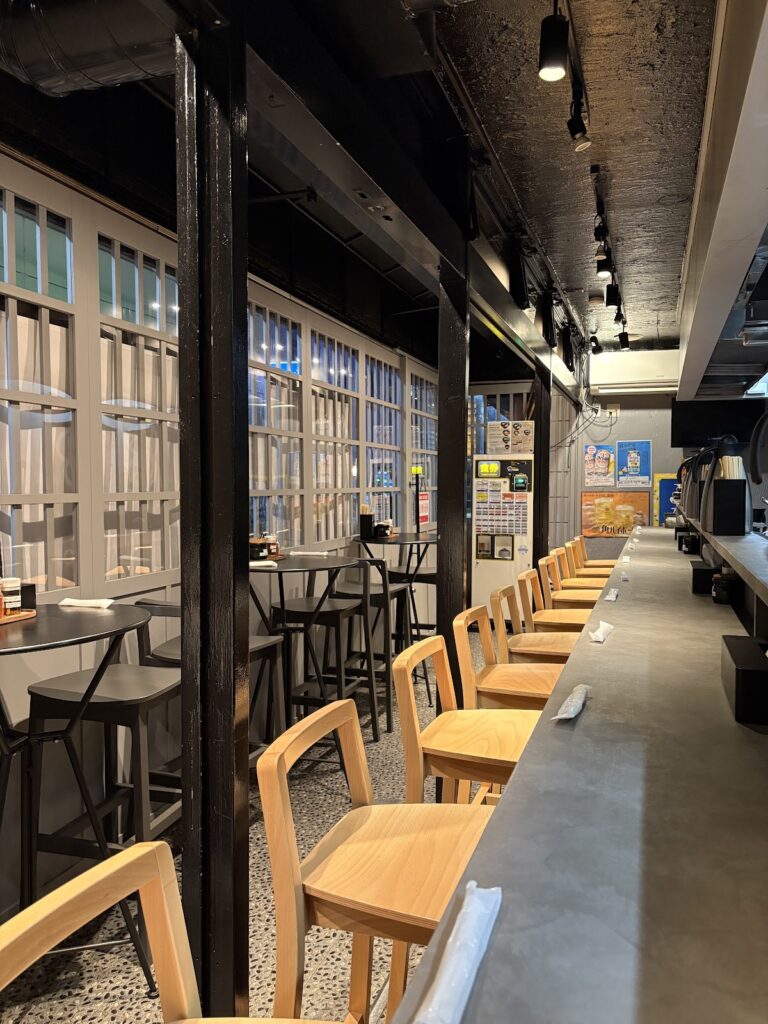
Tokyo
Tokyo Bangkok
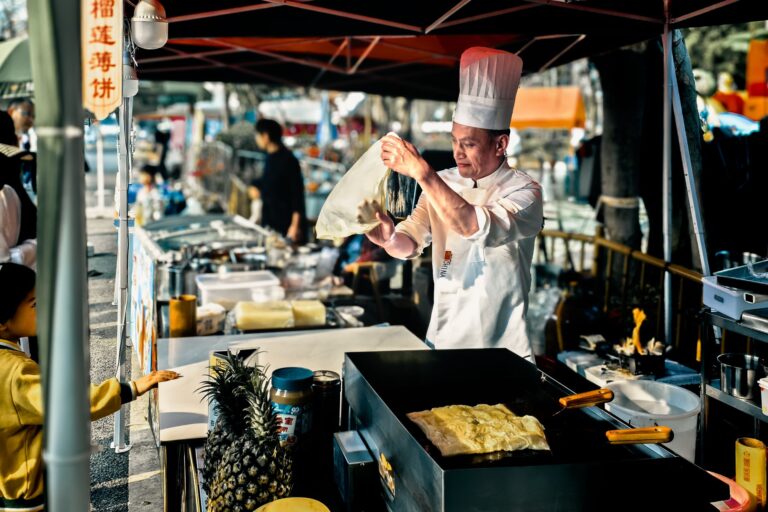
 Seoul
Seoul Singapore
Miso vs Doubanjiang: Which Fermented Paste to Cook With
Ever stood in the Asian grocery aisle staring at two nearly identical jars of fermented soy paste? One label’s in Japanese, the other in Chinese characters. No clue which goes in miso soup or mapo tofu. Grab the wrong one, and your dish is ruined. Here’s how to tell them apart—and why it matters.
Miso Brings Sweet Umami; Doubanjiang Packs Heat and Funk
Miso is Japan’s fermented soybean paste, made with salt and koji mold. It ferments anywhere from 6 months to 3 years. The result? A paste that’s salty, sweet, and deeply savory—all umami, no spice. White miso (shiro) is mild and sweet. Red miso (aka) is saltier, bolder. Doubanjiang, China’s version from Sichuan, uses broad beans, soybeans, salt, and chilies. It ferments faster—6 months to a year—and ends up spicy, funky, slightly bitter. No sweetness here. Good miso dissolves smoothly into broths. Good doubanjiang stays chunky, thick, almost clay-like.
Bad miso tastes flat and too salty. Bad doubanjiang? Like cheap hot sauce pretending to be food—thin, vinegary, no depth. Check the ingredients. Real miso has 3-5 items max. Real doubanjiang lists broad beans first, not soy sauce or vinegar.
Where to Taste the Real Deal: Tokyo Miso Shops vs. Chengdu Spice Markets
In Tokyo, hit Hikawa Miso in Nihonbashi. They’ve been at it since 1861. Grab 200 grams of their three-year red miso and some white miso. Use white in light dashi broths. Red works with root veggies and fish. The difference between supermarket miso and this? Like instant ramen versus hand-pulled noodles.
Chengdu’s Qingyang Doubanjiang Factory sells straight to cooks. Their standard broad bean paste runs about 3 USD per kilo. Look for “Pixian doubanjiang”—that’s the good stuff. Can’t make it to Chengdu? Order Pixian online. It ships fine. Toss it in mapo tofu, chongqing chicken, dan dan noodles. Always fry it in oil for 30 seconds first—unlocks the flavor, kills the rawness.
The Truth No One Mentions: These Pastes Don’t Swap
Some guides claim you can sub miso for doubanjiang. Don’t. Miso’s sweetness turns Sichuan dishes cloying. Your mapo tofu will taste like dessert. Flip it? Doubanjiang in miso soup turns bitter and spicy. These pastes come from different worlds. Never swap them.
Another tip: most Westerners use too little. Proper miso soup needs 1-2 tablespoons per bowl. Sichuan dishes want 2-4 tablespoons of doubanjiang for four servings. These aren’t garnishes. They’re the foundation. Start there, then tweak.
Grab a jar of Pixian doubanjiang and some red miso this week. Make mapo tofu with one, miso soup with the other. Taste them side by side. The difference hits you instantly—and you’ll never mix them up again.