Tokyo
Tokyo Bangkok
 Seoul
Seoul Singapore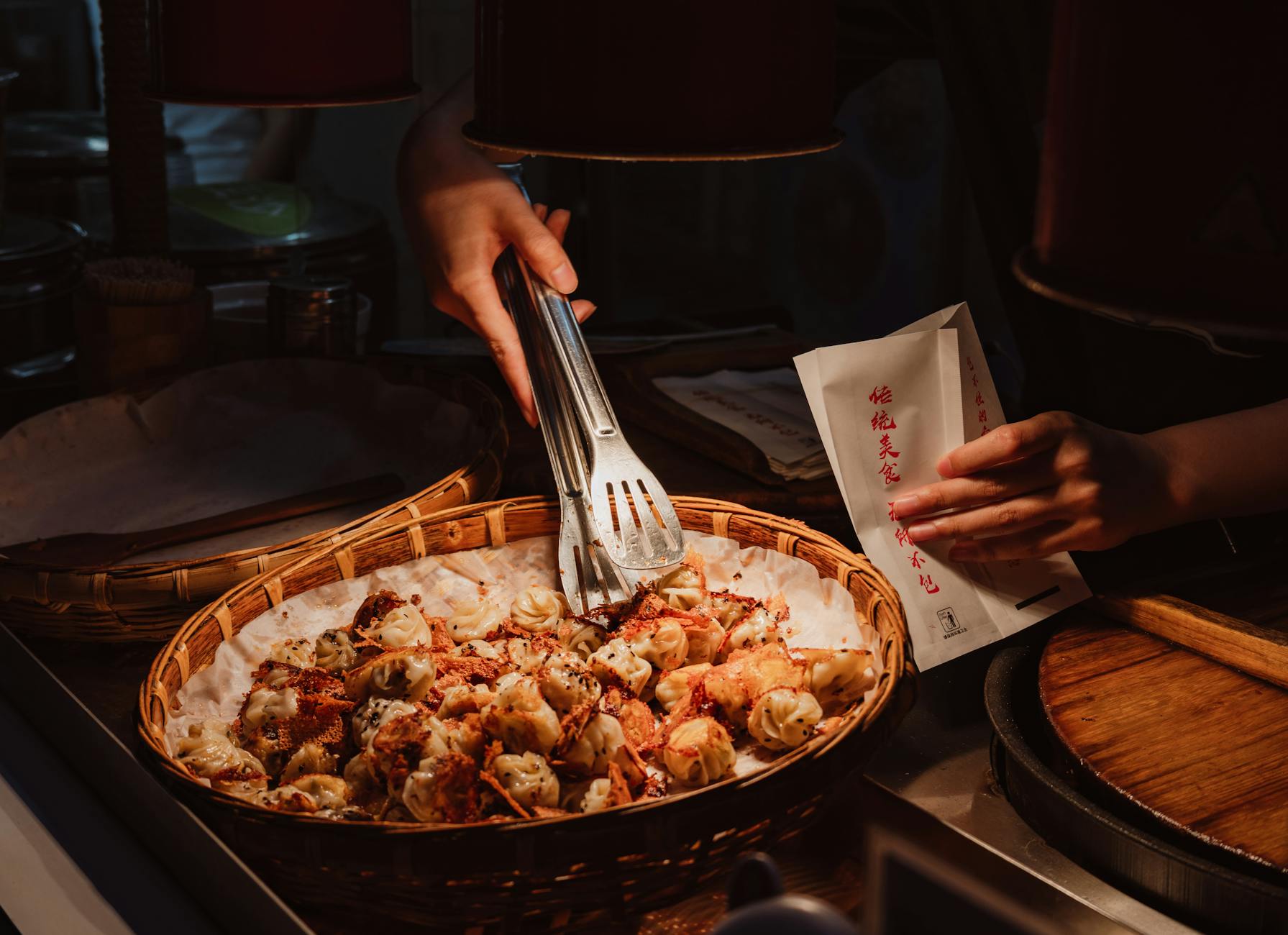
Gyoza: Origins, Variations, and Where to Eat It
Gyoza are Japanese pan-fried dumplings with a thin, crispy bottom and a savory filling of ground pork, cabbage, garlic, ginger, and soy sauce. While they’re a staple in Japan today, gyoza are actually a fairly recent addition to Japanese cuisine—borrowed and tweaked from Chinese jiaozi after World War II. What sets gyoza apart isn’t just the ingredients, but how they’re cooked: the half-moon shape is always pan-fried on one side until golden and crisp, then steamed in the same pan to finish cooking. This creates that perfect combo of a crunchy base and a soft, tender top.
Origins and History
Gyoza made their way to Japan in the 1940s and 1950s, brought by Chinese immigrants and Japanese soldiers returning from Manchuria. While Chinese jiaozi are usually boiled or steamed, Japanese cooks changed things up by developing the pan-fry-then-steam method. The dish really took off during Japan’s post-war economic boom, when Chinese restaurants started popping up in cities. By the 1960s and 1970s, gyoza had gone from being “foreign food” to a casual dining staple, showing up in ramen shops, izakayas, and even convenience stores.
The 1980s were a turning point, as gyoza became a standard menu item at Chinese restaurants across Japan. Recipes were tweaked to suit Japanese tastes: less garlic, finely chopped vegetables, and thinner wrappers. Interestingly, gyoza are now more common in Japan than boiled jiaozi—Japanese diners loved the crispy version so much it became the norm. Some food historians argue that gyoza are now more “Japanese” than Chinese in how they’re made, despite their origins.
Regional Variations
Tokyo Style is the classic: thin wrappers, pork-and-cabbage filling with garlic and ginger, pan-fried to a deep golden bottom. Tokyo versions lean toward cleaner, more refined flavors with milder seasoning. Orders usually come with 6-8 pieces.
Osaka Style gyoza are bigger and meatier, with thicker wrappers and a filling that’s heavier on pork. Osaka is known for indulgent food, and its gyoza reflect that—more sesame oil in the filling, sometimes extra soy sauce. Portions often include 8-10 pieces, with darker, crispier bottoms.
Kyoto variations are more delicate. Some traditional spots use locally-sourced veggies and lighter steaming times, leaving wrappers slightly translucent. Kyoto gyoza sometimes include shrimp alongside pork, nodding to the region’s seafood and kaiseki traditions.
Other regional twists include: chicken gyoza (popular in Nagoya), shrimp-only gyoza (Tokyo’s Chinatown), vegetable gyoza (Tokyo and Kyoto), and kimchi gyoza (Korean-inspired, found in trendy spots across all three cities).
What Makes a Great Gyoza
Great gyoza come down to three things: the wrapper, the filling, and how they’re cooked.
Wrappers should be thin enough to see light through but sturdy enough not to tear, usually 2-3mm thick. Most places use store-bought wrappers, but top spots make their own from wheat flour, water, and salt. The wrapper needs a slight chew, shouldn’t crack when folded, and should develop a deep golden-brown bottom without burning.
Filling should balance pork (or another protein) with finely minced cabbage, roughly 60-40 by weight. The cabbage adds moisture and sweetness—without it, gyoza get too dense. Good versions include fresh ginger, minced garlic, soy sauce, sesame oil, and sometimes oyster sauce. The filling should be sticky but not wet, so it holds together without making the wrapper soggy or burst.
The cooking method is make-or-break. The pan needs to be hot enough that wrappers hit the oil and start browning right away. After 2-3 minutes of pan-frying (when the bottom is golden), water’s added to steam the dumplings for another 4-5 minutes. Then the pan’s uncovered to evaporate the remaining moisture, re-crisping the bottom. Timing is key—mess it up, and you’ll end up with soggy or rubbery gyoza.
Red flags: thick, doughy wrappers; grainy or dry filling; pale, uneven bottoms; or wrappers that tear when picked up.
Where to Try Gyoza: City by City
Tokyo has the most variety. Shinjuku’s ramen and gyoza alley (near the station’s east exit) is packed with casual spots where gyoza are served as ramen sides—expect 6-8 pieces for ¥400-600. For dedicated gyoza, Shibuya’s Momiji (open since 1970) is a go-to: thin wrappers, balanced filling, perfect execution. Akihabara and Ikebukuro’s Chinatowns offer bolder versions with more garlic. Trendy izakayas in Harajuku and Shimokitazawa serve gyoza as part of a bigger menu, often with twists like miso or spicy versions.
Osaka treats gyoza as a main event. Dotonbori has multiple dedicated gyoza shops where the dumplings take center stage. Osaka’s Chinatown (around Shinchi) serves restaurant-grade versions with meaty fillings and dark, crispy bottoms. Portions are bigger (8-10 pieces) and cost ¥600-900. Casual takoyaki spots often sell gyoza too—Osaka’s versions really nail the contrast between crunchy wrapper and juicy filling.
Kyoto doesn’t have as many gyoza-only spots, but traditional Chinese restaurants in central areas (like Gion) keep standards high. Kyoto’s gyoza are more delicate—thinner wrappers, lighter garlic, sometimes shrimp in the mix. Nearby towns in the Kansai region (reachable by train) have their own twists, like Kobe’s sesame-oil-forward gyoza.
Price Guide
Tokyo: Casual ramen shops and izakayas: ¥400-700 per order (6-8 pieces). Dedicated gyoza restaurants: ¥700-1,200 per order. Department store food courts: ¥600-900 per box. Convenience stores (frozen, home-cooked): ¥400-600 per box.
Osaka: Dotonbori casual shops: ¥600-900 per order (8-10 pieces). Dedicated restaurants: ¥900-1,500 per order. Street vendors during festivals: ¥500-700. Prices are generally higher than Tokyo due to bigger portions and meatier fillings.
Kyoto: Traditional Chinese restaurants: ¥800-1,200 per order. Kaiseki restaurants adding gyoza as a modern touch: ¥1,200-2,000 per order. Tourist-area shops: ¥700-1,000.
Gyoza show how Japanese cuisine takes foreign influences and makes them its own—not by erasing the original, but by perfecting the details.