Tokyo
Tokyo Bangkok
 Seoul
Seoul Singapore
Inside Japan’s Izakaya: After-Work Drinking Culture Explained
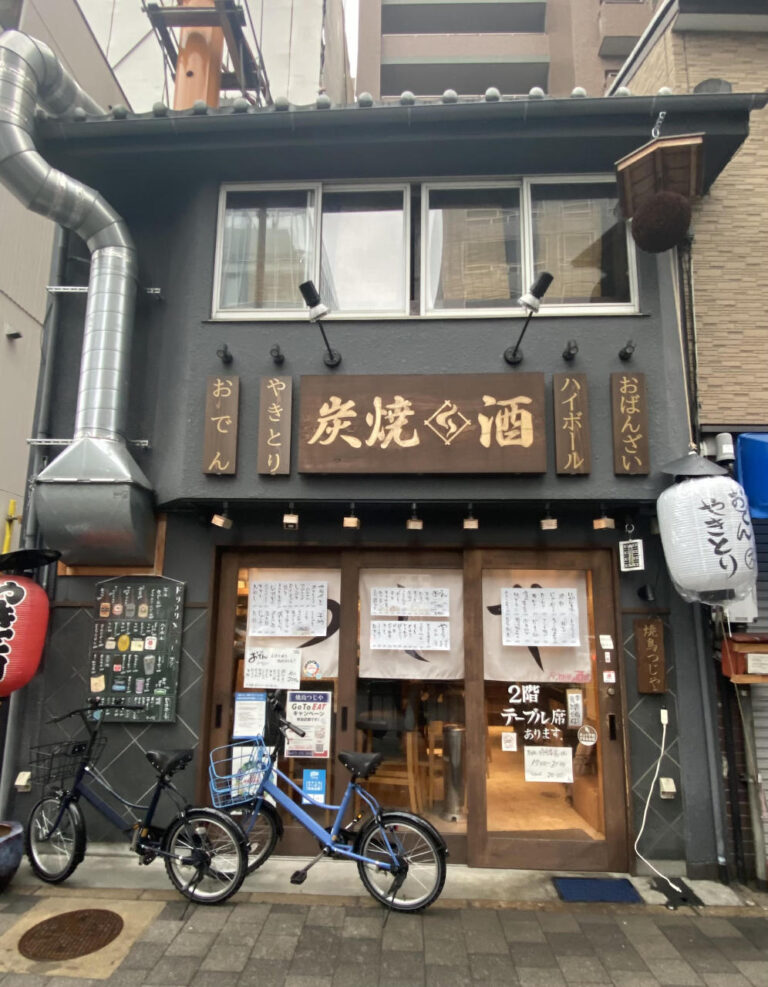
The neon buzzes on at 5 PM in a cramped Shinjuku alleyway. Wooden stools scrape against the floor as salarymen slump onto them, ties already loosened. Charred chicken skin and soy sauce cut through the haze of cigarette smoke. A cook bellows “Irasshaimase!”—you’re not just stepping into a restaurant. This is where Japan’s workday stiffness melts away.
Izakayas aren’t bars or pubs. They’re something else entirely. Watch Tokyo, Osaka, or Kyoto after dark: office workers shed their daytime shells over skewers and frosty beers. The food’s good, but that’s not why people come. These places exist to let off steam in a culture that demands perfection from 9 to 5.
The Counter as Confessional: Why Salarymen Actually Go
To get izakayas, you need to understand Japanese work life. Twelve-hour days are normal. Then comes the unofficial requirement to drink with coworkers. But here’s the twist—it’s not a chore. It’s freedom. Inside these walls, the boss is just another guy knocking back sake. A junior employee can speak his mind without consequences. Saw it myself in Ginza: a 25-year-old roasted his director’s project. Everyone laughed. Do that at the office? Instant transfer to Hokkaido.
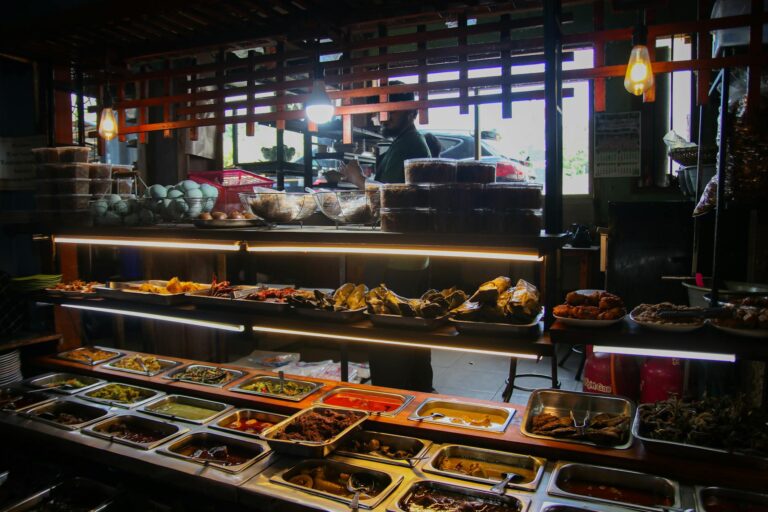
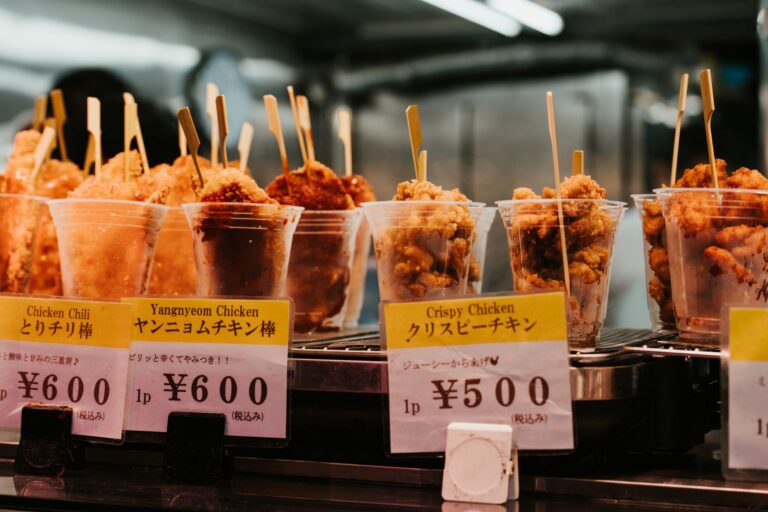
The food makes it work. Tiny plates keep coming—edamame, yakitori, gyoza—forcing people to share and squeeze closer together. Portions stay small and cheap so the drinking (and truth-telling) lasts longer. Once saw a man weeping into his Asahi in Shibuya while his coworkers rubbed his back. That doesn’t happen at fancy restaurants.
The Unwritten Rules That Actually Matter
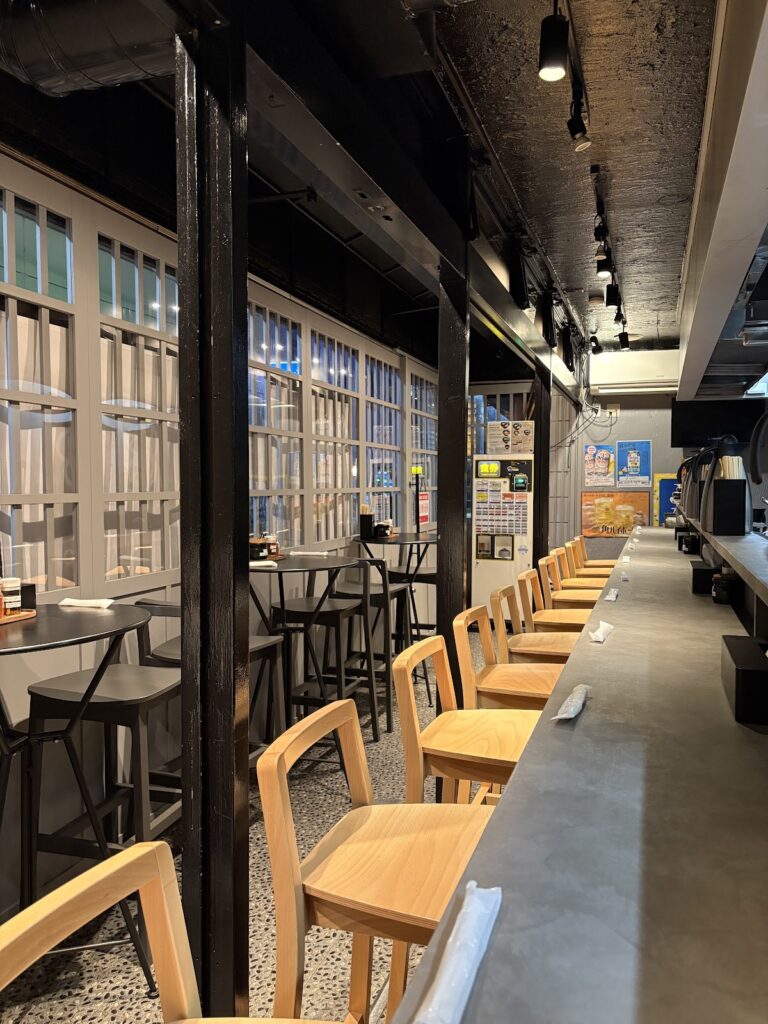
Break izakaya etiquette and everyone will notice. Rule one: grab a counter seat unless you’re with a big group. Drinks come first—usually draft Asahi or Kirin. Food follows. Never pour your own beer. Someone will intercept you mid-reach. You pour for others, they pour for you. This back-and-forth (“osusume”) is the whole social deal in one motion.
Ordering food has its own rhythm. Start light—salt-grilled yakitori or edamame. Build to heartier stuff like gyoza. End with carbs—ramen or fried rice—to soak up the booze. It’s not arbitrary. This sequence keeps you drinking without face-planting into your plate. A Harajuku regular ordered the exact same lineup every Friday. When asked why, he shrugged: “That’s how it’s done.”
Why the Food Tastes Better When You’re Breaking Rules
Let’s be real: izakaya food isn’t fancy. Yakitori? Just chicken over coals. Edamame? Boiled beans. You can find better versions elsewhere. But they won’t hit the same. The magic’s in the moment—laughing at your boss’s terrible joke, hearing a stranger’s divorce story, briefly forgetting life’s pressures. The flavors deepen when you’re breaking rules together.
If you’re in Japan, ditch the tourist spots. Find a neighborhood izakaya after 6 PM. Plant yourself at the counter. Get a beer. Point at whatever looks good. Let someone refill your glass. Two hours here teaches you more about real Japan than two weeks of temples ever could. The food’s just the excuse. The real meal is the unspoken agreement to let go.