Tokyo
Tokyo Bangkok
 Seoul
Seoul Singapore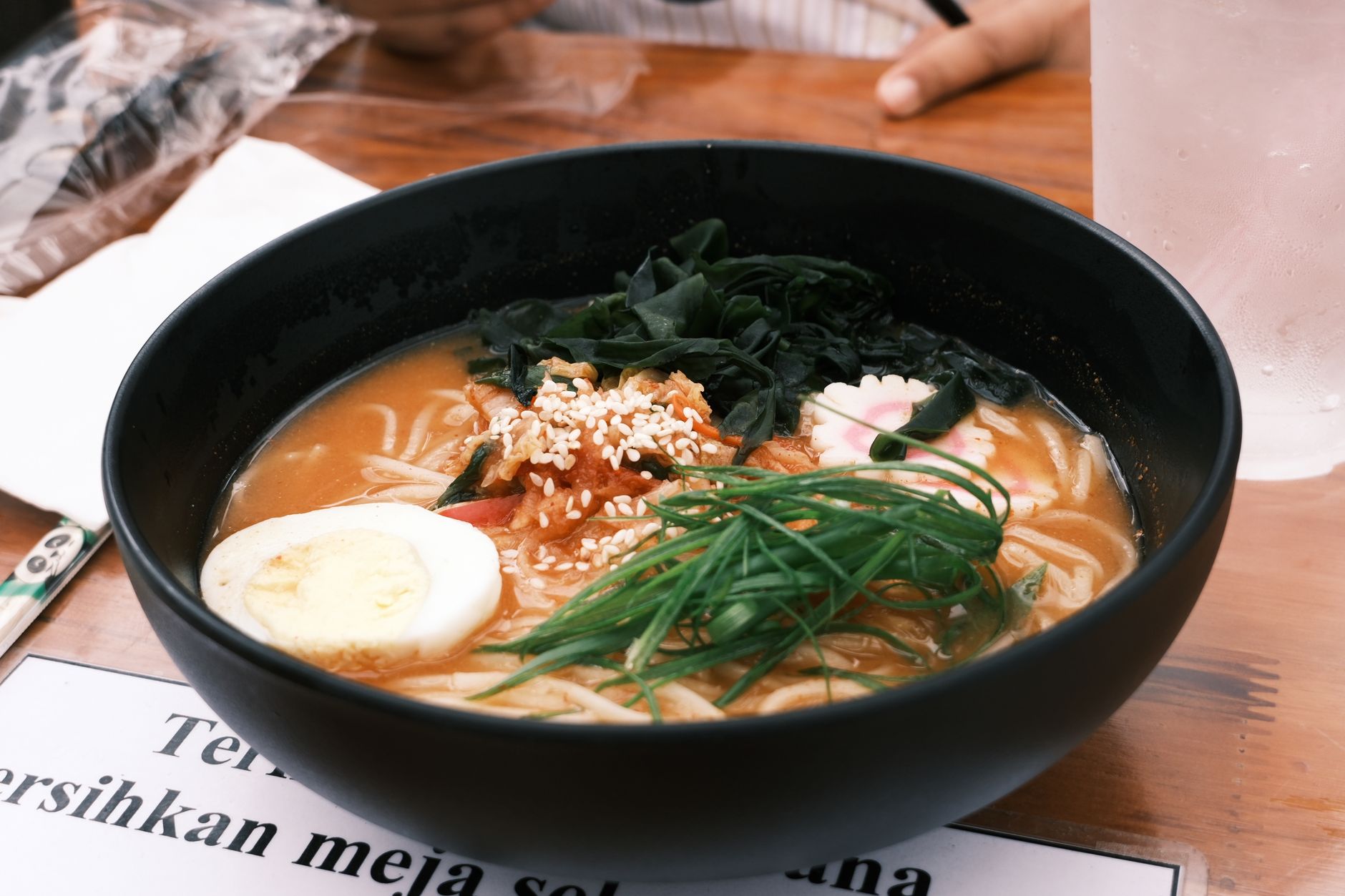
Ramen: Origins, Variations, and Where to Eat It
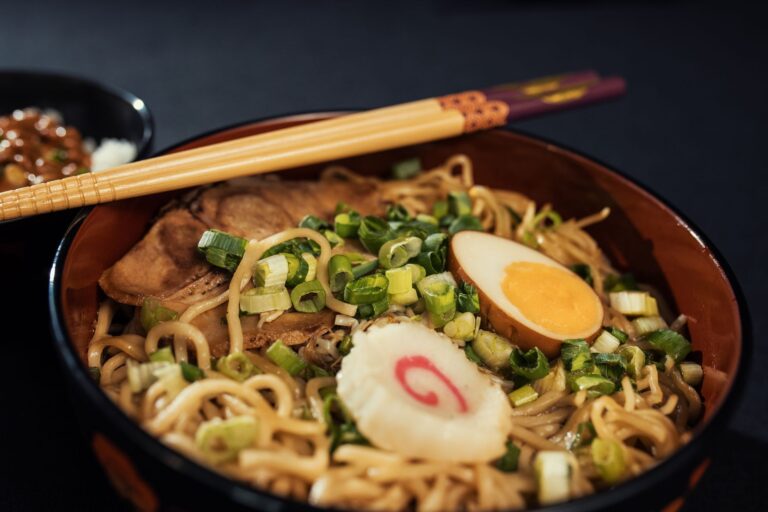
Ramen is Japan’s ultimate comfort food—a bowl of springy noodles swimming in rich broth, topped with tender pork, a jammy egg, and a tangle of green onions. Don’t let its simplicity fool you. Crafting great ramen is a science. The broth alone might simmer for half a day. Noodles demand exact thickness. Even the placement of toppings follows strict rules. Fun fact: ramen isn’t some ancient tradition. It only became a Japanese staple in the last 80 years.
Origins and History
Ramen started as a street food in early 1900s Japan, borrowed from Chinese immigrants’ lamian noodles. By the 1930s, it had morphed into something distinctly Japanese. The real game-changer? Post-WWII American soldiers who couldn’t get enough of it. Then came Ippudo. When this Fukuoka chain opened in 1985, they turned ramen into a proper culinary art—complete with franchises and fanatics.
The 1990s ramen boom put regional styles on the map. Suddenly, food nerds were road-tripping for Hokkaido’s miso ramen, Kyushu’s pork tonkotsu, and Tokyo’s shoyu broth. No longer just fast food, ramen became a dish worth traveling for.
Regional Variations
Tokyo Ramen (Shoyu) keeps things clean with a golden broth of chicken, pork, and soy sauce. The noodles? Straight and medium-thick. Toppings stay classic: pork belly, bamboo shoots, that perfect egg, and a nori sheet.
Osaka Ramen (Shoyu with Tonkotsu influence) splits the difference between Tokyo and Fukuoka. The broth’s richer here, blending pork and chicken. Quirk alert: some shops toss instant ramen noodles on top as a playful garnish.
Sapporo Ramen (Miso) means business. Thick, fermented soybean broth warms you up fast in Hokkaido’s winters. Corn and butter float in the bowl—unthinkable elsewhere. Curly noodles grab onto every sip.
Fukuoka Ramen (Tonkotsu) boils pork bones into a creamy, collagen-rich elixir. Bowls are small but potent. Regulars often order seconds. This style went global, though locals grumble it overshadows other regional gems.
What Makes a Great Ramen
Five things separate good ramen from life-changing ramen:
Broth (Dashi): The soul of the bowl. Tonkotsu simmers pork bones for a full day. Shoyu broth layers chicken, kelp, and bonito flakes. Skim constantly. Keep it clear. No shortcuts.
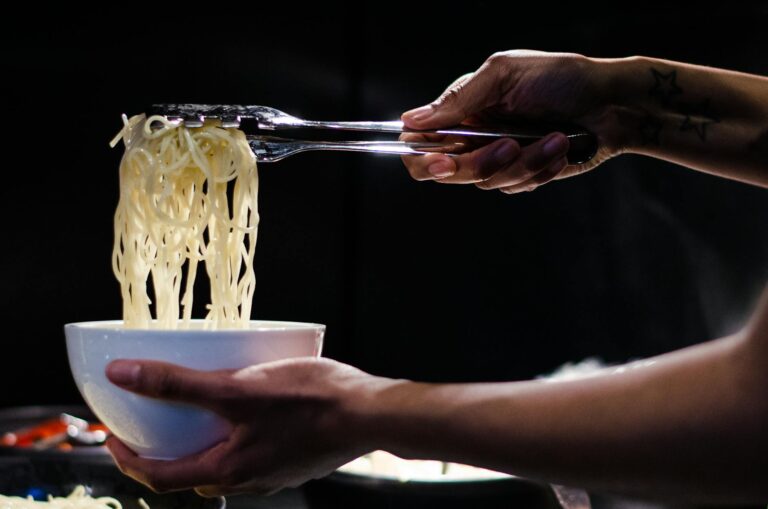
Noodles: Alkaline kansui water gives them that addictive chew. Thickness varies by region. Top shops make theirs fresh daily.
Chashu (Pork Belly): Should melt like butter. 60% fat, 40% meat. Some chefs now use sous-vide, but old-school braising builds deeper flavor.
Ajitsuke Tamago: That marinated egg with the oozy yolk? Six and a half minutes in boiling water. Then it bathes in soy and mirin overnight.
Aromatics and Tare: The secret sauce—literally. A dash of concentrated flavor (soy, miso, or pork-based) wakes up the broth without drowning it.
Where to Try Ramen: City by City Guide
Tokyo: Hit Shinjuku Ramen Yokocho—nine tiny shops in an alley, all shoyu specialists. Ichiran in Shibuya does tonkotsu with privacy partitions. For hybrids, prowl Omoide Yokocho.
Osaka: Skip touristy Dotonbori. Shinchi’s low-key spots serve the real deal. Kiji and its siblings keep quality high without the markup.
Sapporo: Ramen Yokocho in Susukino packs six miso masters under one roof. Gantetsu sets the standard. Many shops are multi-generation family affairs.
Fukuoka: Follow the yatai (food carts). Nakasu’s lined with them, slinging tonkotsu into the night. Ippudo started here, but indie carts feel more authentic.
Price Guide
Tokyo: ¥900–¥1,500 ($6–$10). Fancy spots hit ¥2,000.
Osaka: ¥800–¥1,200 ($5–$8)—a slight discount on Tokyo.
Sapporo: ¥800–¥1,300 ($5–$9).
Fukuoka: ¥700–¥1,000 ($5–$7) at yatai. Smaller bowls, bigger flavor.
Outside Japan, expect to pay nearly double. Imported ingredients aren’t cheap.
Ramen isn’t just food. It’s a story—how Japan took Chinese noodles and made them iconic. Every region’s twist, from Hokkaido’s butter-topped bowls to Fukuoka’s midnight cart feasts, proves local pride runs deep in Japanese cuisine.