Tokyo
Tokyo Bangkok
 Seoul
Seoul Singapore
Mi Quang: Vietnam’s Noodle Dish That Outclasses Pho

Mi Quang’s noodles get their golden color from turmeric mixed right into the dough—not the broth. Most travelers haven’t heard of this dish, even though it’s been fueling mornings in central Vietnam for generations.
Turmeric Noodles and Shrimp Broth: Why Mi Quang Stands Apart
Born in Quang Nam Province, mi quang lives or dies by one rule: fresh egg noodles kneaded with turmeric powder. The result? Golden strands with more chew than pho noodles, less soft than typical wheat varieties. That turmeric gives them an earthy depth that changes everything.
The broth breaks all pho rules. Instead of beef bones, it starts with shrimp heads and shells simmered for at least 45 minutes, often joined by pork bones or crab. What emerges is lighter than pho broth—it should barely coat a spoon, not cling to it.
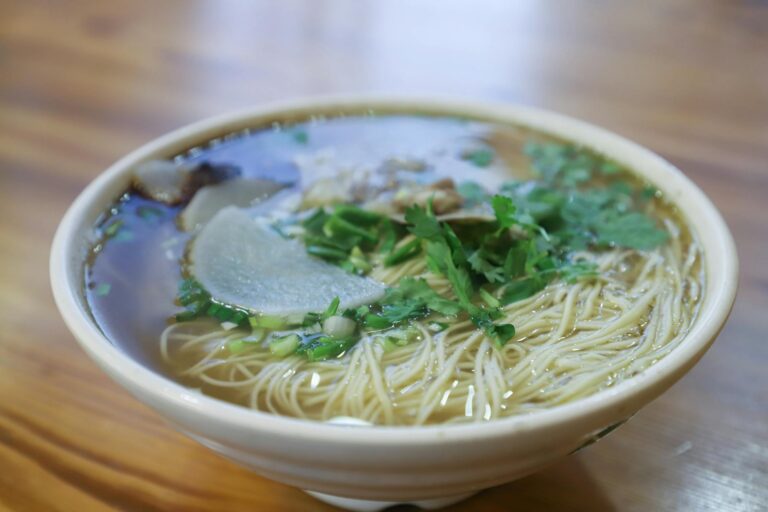
A proper bowl piles shrimp, pork shoulder, and sometimes crab over those golden noodles before ladling broth on top. But the garnishes make it: fresh mint, cilantro, dill (yes, dill), crushed peanuts, crispy shallots, always lime. Skip the peanuts or use stale ones, and the whole dish falls apart.
Where to Find Real Mi Quang: Specific Neighborhoods and Restaurants
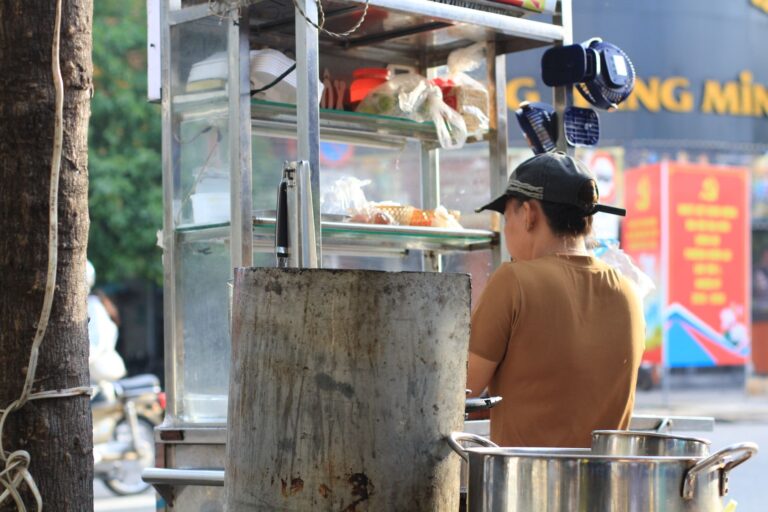
In Vietnam, mi quang means breakfast. Street stalls in Da Nang and Hoi An serve it by 6 a.m., small bowls going for about 30,000 VND ($1.25). Want the good stuff? Ask locals for “quán mi Quang”—the best spots don’t show up on maps.
Outside Vietnam, it’s tough. Orange County’s Vietnamese communities (Westminster and Garden Grove) sometimes have it, but quality varies. London’s Hanoi House and Cây Tre occasionally feature it. In Australia, check Melbourne’s Richmond or Sydney’s Marrickville—but call first. Reheated mi quang turns gummy fast.
Why Mi Quang Never Went Global (And What That Tells You)
There’s a reason you won’t find mi quang everywhere. Fresh turmeric noodles don’t freeze well. Pho uses dried noodles; banh mi needs just bread and cold cuts. Mi quang demands daily shrimp stock, fresh noodles, perfect timing. Most restaurants abroad chose easier dishes.
When you do find real mi quang outside Vietnam, someone’s putting in serious work to make it right. That says something.
Another factor? It’s messy. Pho photographs clean. Mi quang’s golden noodles and scattered toppings look chaotic on camera. Instagram prefers simple.
Do this: In Da Nang or Hoi An, hit a street stall early. Order small (“bánh nhỏ”), extra peanuts and herbs. Taste before adding fish sauce—the broth should shine on its own. Stateside or in the UK? Call ahead. One real bowl explains why this stays Vietnam’s breakfast secret.