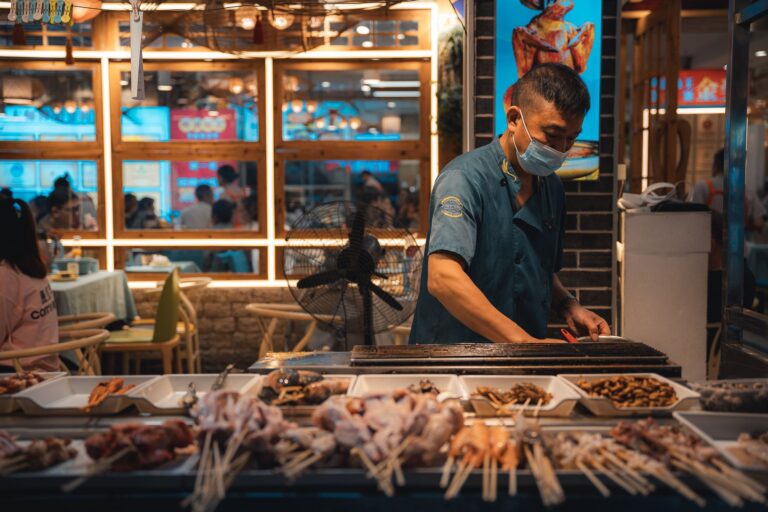
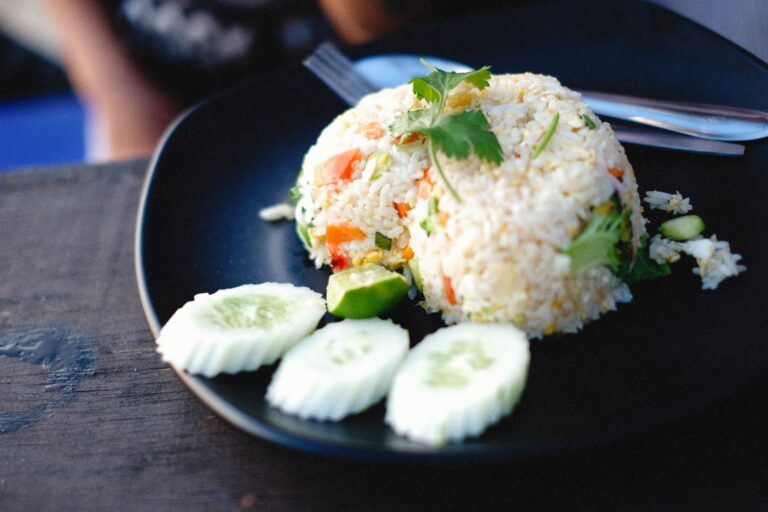
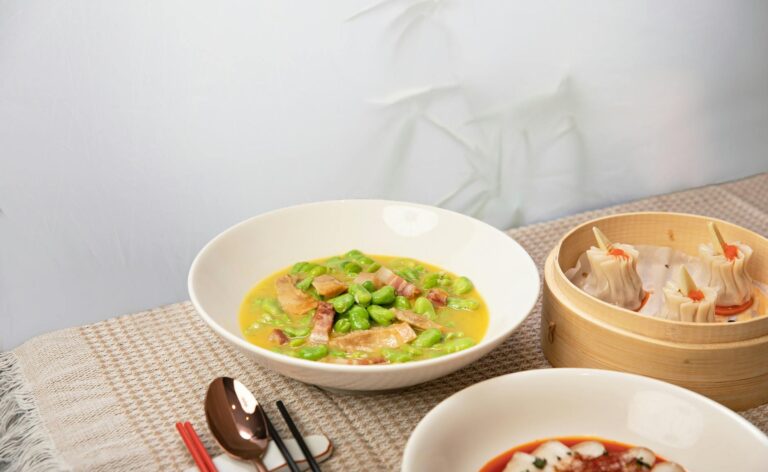
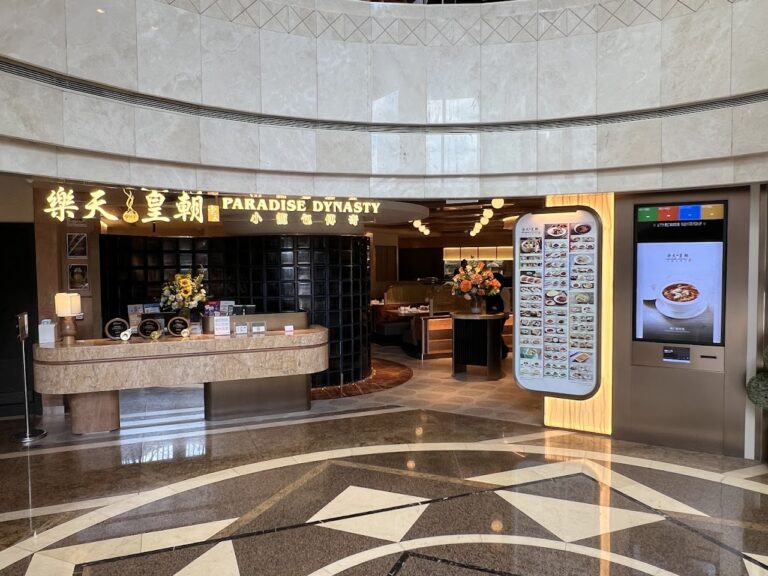
Tokyo
Tokyo Bangkok
 Seoul
Seoul Singapore
Sichuan Peppercorn: The Numbing Spice That Defines Mala

Sichuan Peppercorn Isn’t Pepper—And It Doesn’t Burn Like One
That tingling numbness from Sichuan peppercorn? It’s not spice. It’s science. Hydroxy-alpha sanshool, the compound behind it, hijacks your mouth’s touch receptors. Your brain gets tricked into feeling vibrations at 50 Hz. That’s mala—the signature buzz of Sichuan cooking, worlds apart from chili pepper heat.
Too many cooks treat these peppercorns like decoration. Big mistake. Low-quality ones taste like bitter soap. But fresh batches from Sichuan? Game-changing. The difference isn’t subtle—it’s like switching from static to HD.
Mala Done Right: From Chengdu Kitchens to Your Takeout Box
For the real deal, hunt down mapo tofu made by Sichuan natives. Skip the timid versions. You want the kind where tofu floats in peppercorn-infused oil, chili-rich and unapologetic. London’s Bao Fitzrovia nails it. Sydney’s Chong Qing Xiao Mian too. Mission Chinese in San Francisco still serves theirs slick enough to make you pause.
Pro tip: Always pair mala dishes with rice. Not optional. The rice soaks up oil, balances flavors, and keeps you going. Without it, you’ll tap out after three fiery bites.
Then there’s Chongqing chicken—a chili mountain hiding golden nuggets of poultry. Digging through the rubble is half the fun. Find a place that does it justice, and suddenly Sichuanese food evangelism makes total sense.
Home Cooks Face an Uphill Battle
Sure, quality peppercorns are easier to find now. Kalustyan’s and specialty stores carry decent stock. But here’s the catch: nailing the oil infusions, ratios, and tempering techniques? That’s years of trial and error.
Another reality check: Sichuan kitchens use peppercorns in layers—oil, sauce, garnish. Most Western spots just sprinkle some on top. Same ingredients, wildly different impact.
If you buy them: freeze immediately. Use within six months. Quick toast before grinding. Manage expectations—you’re playing with house rules while Sichuan chefs have home-field advantage.
Try this: Hit a local Sichuan spot. Order mapo tofu with rice. Notice how the numbness rolls in waves. Then grab some peppercorns for home experiments. Just don’t expect restaurant magic on the first try.