Tokyo
Tokyo Bangkok
 Seoul
Seoul Singapore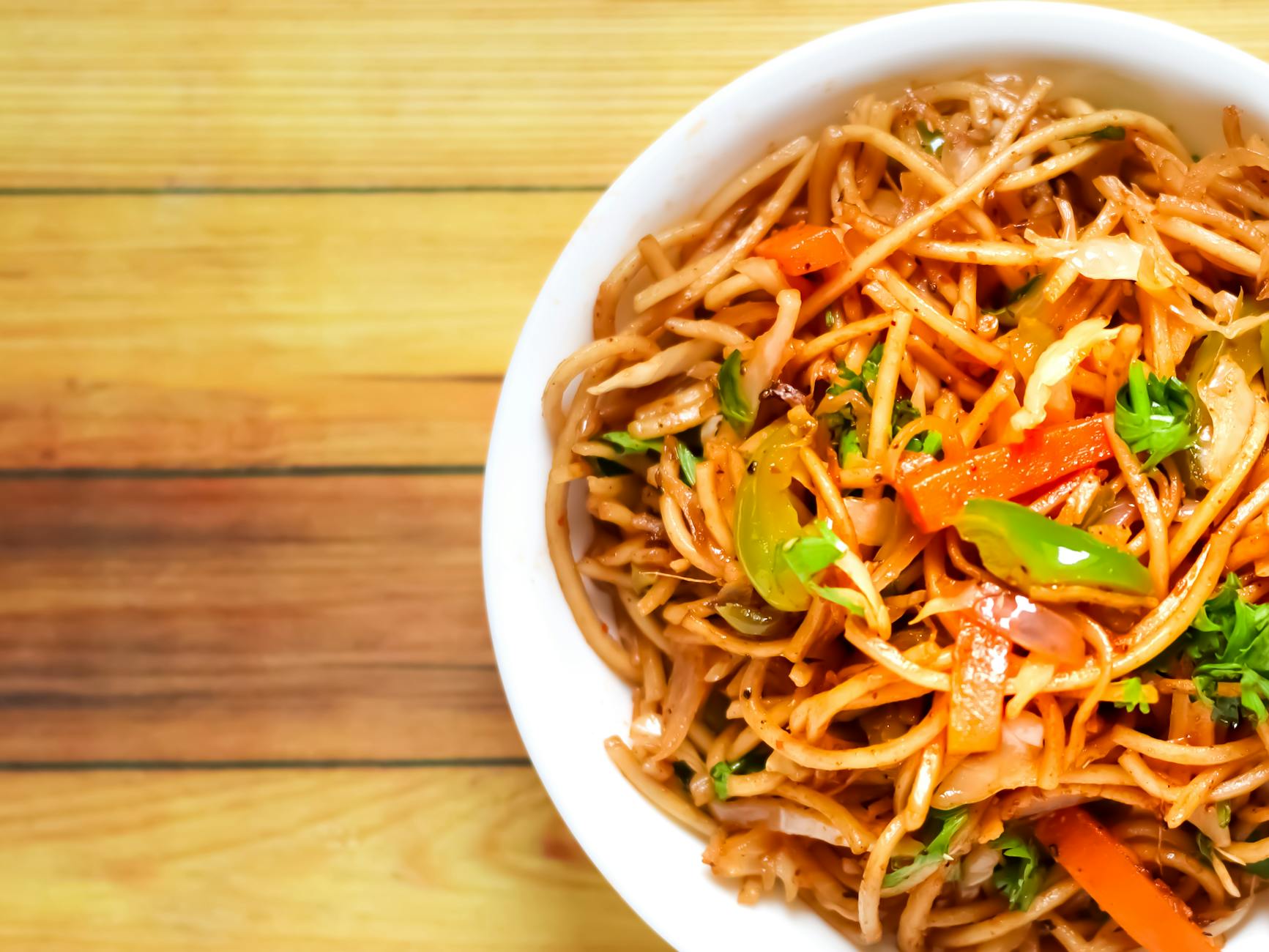
Chow Mein: Regional Variations and Essential Techniques

Chow mein is the dish that separates home cooks from people who simply reheat takeout. The gap between a soggy, oil-logged plate from a mediocre restaurant and a properly executed version is technical precision, not ingredients—and that precision is entirely learnable.
Why Chow Mein Matters: Technique Over Ingredients
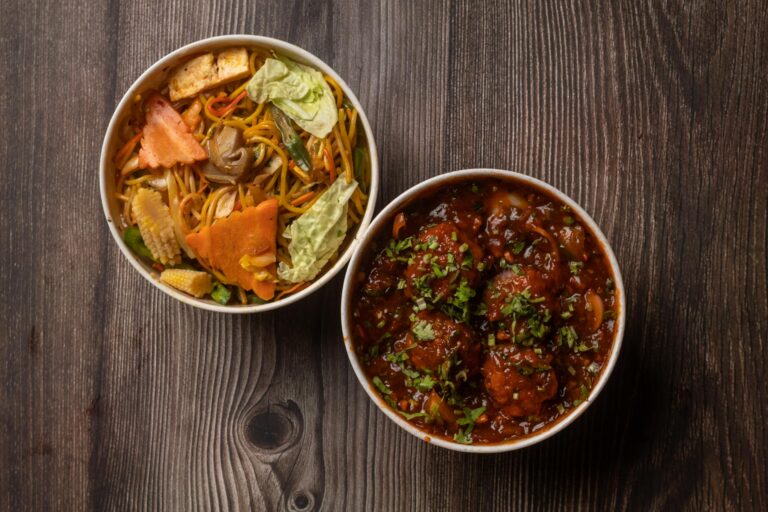
Chow mein translates literally to “stir-fried noodles,” but that simplicity masks what makes it essential to Chinese cooking. It’s a foundational technique that teaches heat control, timing, and the philosophy of wok cooking itself. A proper chow mein requires the noodles to be fried at high temperature without becoming greasy, a balance that demands attention and skill. The difference between excellent and mediocre comes down to noodle texture—they should have distinct bite and slight char on the edges, never clumped or soft.
What separates a good chow mein from a failed one is moisture management. Overcooked noodles absorb too much oil and become heavy. Undercooked noodles don’t develop the textural complexity the dish demands. The noodles need to be pre-cooked, cooled, and separated before hitting the wok—a step most home cooks skip, which explains why their versions disappoint.
Canton, Shandong, Shanghai: How Regional Styles Define the Dish
Cantonese chow mein, the version most Western diners encounter, emphasizes crispness and individual noodle strands. Cooks in Guangzhou fry the noodles until they develop a delicate, almost lacy texture on the surface. The sauce is light—soy-based, never heavy—and the vegetables are cut thin to cook quickly in high heat. This style prioritizes contrast: crispy noodles against tender vegetables and protein.
Shandong chow mein takes a different approach entirely. Noodles are thicker, the cooking method slower, and the final dish has more sauce clinging to each strand. You’ll find sesame oil more prominent here, along with deeper soy notes. The texture is less about crispness and more about chewiness—the noodles should have resistance when you bite them.
Shanghai-style chow mein sits between these poles. The noodles are medium thickness, cooked until they have some color but aren’t brittle. Soy sauce, oyster sauce, and a touch of sugar create a balanced, slightly sweet profile. This is the style you’ll find in Shanghai restaurants across London and Sydney—it’s the most commercially viable because it appeals to the widest palate.
The Wok Heat Problem Nobody Discusses
Most Western home kitchens lack the BTU output required for authentic chow mein. A proper wok station in a Chinese restaurant generates heat that domestic stovetops simply cannot match. This isn’t a limitation you should accept—it’s a constraint you work within. The solution is batching. Cook smaller portions, work in two or three rounds, and maintain noodle separation throughout. A carbon steel wok, properly seasoned, helps compensate for lower heat by distributing warmth more evenly than stainless steel.
The honest truth: restaurant-quality chow mein at home requires accepting that your version will differ from what you get professionally. That’s not failure. It’s adaptation. A home cook’s chow mein should prioritize flavor and texture over replicating the exact char and crispness of a commercial wok. Focus on getting the noodle base right, the soy-to-oil ratio balanced, and the vegetables cooked through without becoming limp.
Where to Learn and What to Order
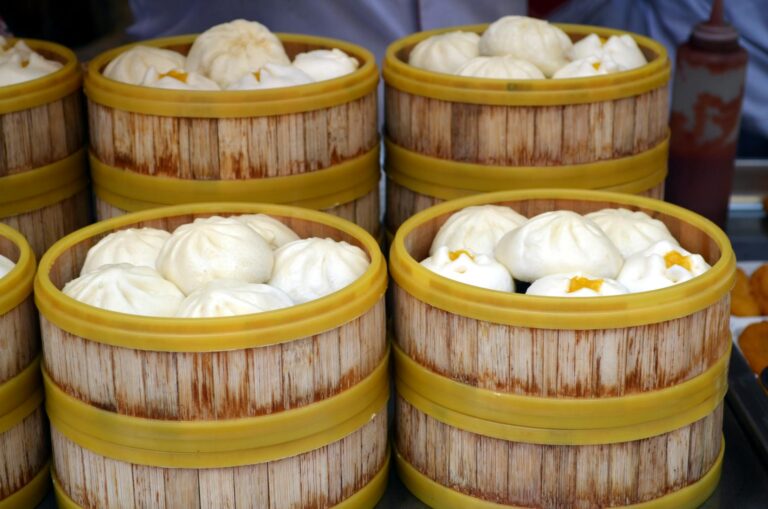
Cantonese dim sum restaurants serve chow mein that reveals the technique immediately. Order it and watch how the noodles behave—they should separate easily with chopsticks, not clump. In Australian cities, Cantonese spots in Box Hill (Melbourne) and Hurstville (Sydney) execute this consistently. London’s Chinatown has reliable versions, though quality varies by establishment.
For Shandong-style, seek out regional noodle shops rather than general Cantonese restaurants. These are less common in Western cities but worth seeking out when you find them.
The Single Most Important Thing
Buy fresh or dried chow mein noodles specifically—not ramen, not lo mein. Cook them, spread them on a sheet to cool and separate, then refrigerate for at least an hour before frying. This single step transforms your home results. Start there, master that technique, and everything else follows.