Tokyo
Tokyo Bangkok
 Seoul
Seoul Singapore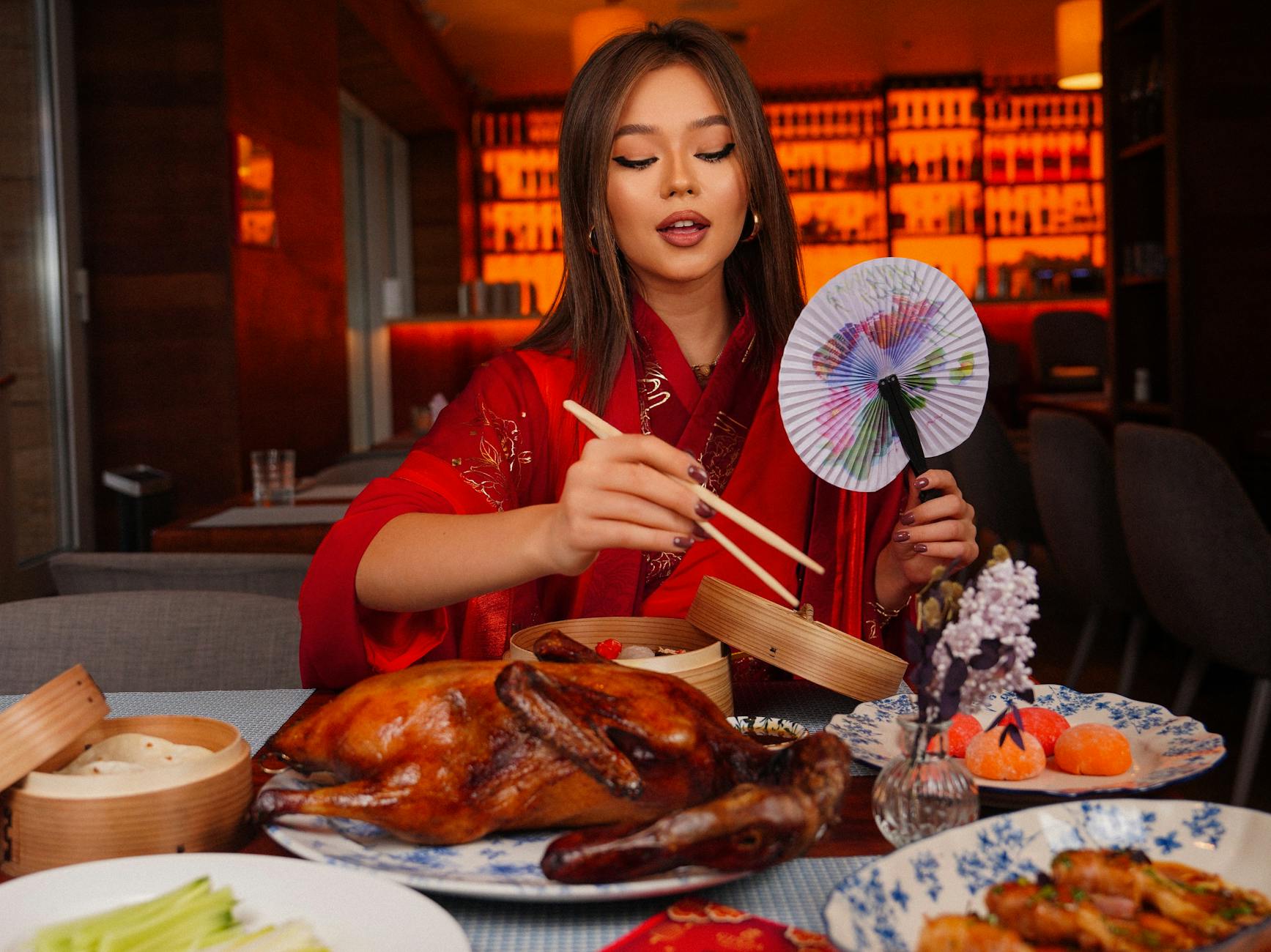
Peking Duck: Beijing’s Imperial Dish & Proper Serving Guide

When Emperor Kangxi dined in 17th-century Beijing, he probably had no idea he was tasting the future of Chinese food. Today, Peking duck is iconic—yet most people outside China have no clue how it’s meant to be eaten. This isn’t just about cooking methods. It’s about a 400-year-old culinary tradition that turns a simple bird into something extraordinary.
How Beijing’s Favorite Duck Went Royal
Peking duck didn’t start as street food. It was invented for emperors, where chefs battled to create dishes that showed off both skill and extravagance. By the Ming Dynasty, Beijing kitchens had nailed the technique: roasting ducks until their skin turned paper-thin and reddish-brown.
What sets real Peking duck apart? The prep work. First, air gets pumped under the skin to separate it from the meat—this keeps the fat rendering while the flesh stays juicy. Then comes a glossy coat of soy sauce, honey, and spices before the duck gets hung in a fruitwood-fired oven. It’s less like cooking, more like edible science.
The payoff? Skin that shatters like glass, with meat so tender it practically melts. That contrast is why people still dream about this dish weeks later.
How to Serve Peking Duck (Hint: It’s Not All at Once)
Most Western restaurants mess this up. Authentic Peking duck comes in three acts, not one piled plate. Act one: just the skin, served with whisper-thin pancakes, scallions, cucumber, and sweet bean sauce. You build each bite yourself—sauce first, then skin, veggies, roll, devour. Messy fingers are part of the fun.
Next, the remaining meat gets stir-fried or sauced. Nothing gets wasted—that’s key in Chinese cooking. Finally, the bones transform into a rich soup, often with chives or winter melon. This trio isn’t just tradition; it’s the smartest way to savor every part of the duck.
Finding the Real Deal Outside Beijing
Can’t make it to Quanjude, Beijing’s duck mecca since 1864? Good versions exist in global cities—if you know the signs.
Look for menus that mention lacquering the duck before roasting. The pancakes should be thin, condiments separate. The skin? Deep mahogany, never pale, with an audible crack when pressed. No three-course service? They’re cutting corners.
Price tells a story. Proper Peking duck needs special ovens, specific duck breeds, and chefs who know their craft. Cheap versions always skip something.
Peking Duck Gets a Refresh
Some chefs now pair the duck with modern twists—think sriracha mayo or gochujang. Others use it in fusion dishes. These riffs aren’t sacrilege; they’re how food stays alive. Just respect the original first.
Peking duck captures what makes Chinese cuisine remarkable: precision, history, and relentless pursuit of flavor. Whether you’re eating it in a Beijing alley or a fancy London spot, you’re tasting something that’s survived centuries.
Want the full experience? Find places that treat this dish like the masterpiece it is. Your taste buds will notice the difference.