Tokyo
Tokyo Bangkok
 Seoul
Seoul Singapore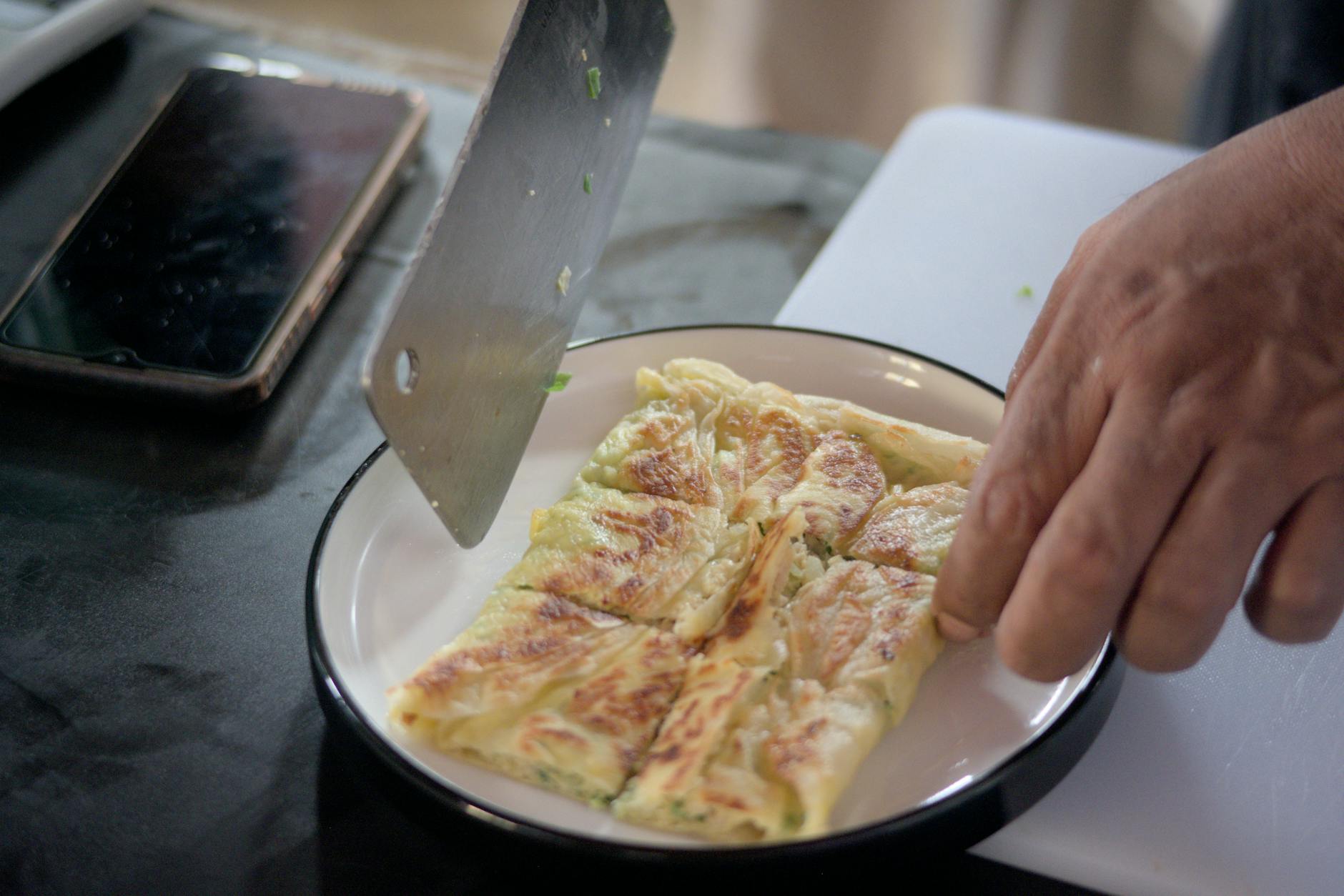
Roti Canai: Malaysia’s Iconic Flaky Flatbread Explained
Roti canai is Malaysia’s ultimate comfort food—a buttery, flaky flatbread served hot, perfect for ripping apart and dunking into spiced dhal curry. More than just breakfast, it’s a daily ritual. You’ll find roti canai stalls everywhere in Malaysia, each with loyal fans who argue over whose version is best. It’s a beautiful collision of Indian bread-making traditions and Malaysian street food flair.
The Fascinating History of Roti Canai
Roti canai came to Malaysia with Indian Muslim migrants during colonial times. The name might come from “chana” (chickpeas) or the way the dough gets stretched thin—though not all versions include legumes. What started as an Indian flatbread evolved into something uniquely Malaysian, shaped by local tastes and techniques.
By the 1900s, roti canai was a hawker staple, especially in Kuala Lumpur and Penang. It’s thinner and more layered than Indian paratha or naan, with a lighter crunch. These days, you’ll spot it in Malaysian restaurants from London to Sydney, proof that great street food travels well.
Mastering the Technique: What Makes Roti Canai Special
The dough is simple—flour, water, salt, ghee—but the skill is in the stretching. Cooks pull and fold the dough until it’s tissue-thin, building hundreds of delicate layers. Then comes the show: they slap it onto a hot griddle, flipping and folding it into a golden square or triangle. Some add a dash of condensed milk or turmeric for extra flavor. The result? Crispy outside, soft inside, with layers that flake apart at the slightest tug.
Want to try making it? Good luck. The dough needs patience and plenty of rest between folds. A heavy skillet and real ghee are musts—no shortcuts if you want those signature layers.
The Perfect Pairing: Dhal Curry and Beyond
Roti canai is good alone but better with dhal curry—creamy lentils spiked with turmeric and cumin. The contrast of crispy bread and velvety sauce is pure magic. At Malaysian stalls, you might get it with beef rendang, chicken curry, or fiery sambal. Some even sprinkle sugar on top for a sweet twist. However you eat it, this combo is Malaysian comfort at its best.
Experiencing Authentic Roti Canai Today
Outside Malaysia, hunt down Malaysian or Indian Muslim spots where they stretch the dough fresh. The good stuff has visible layers, a crisp crust, and dhal simmered with whole spices. Whether you’re in Petaling Street or your hometown, roti canai is worth seeking out. It’s a delicious piece of Malaysia’s food story—one bite tells you everything.