Tokyo
Tokyo Bangkok
 Seoul
Seoul Singapore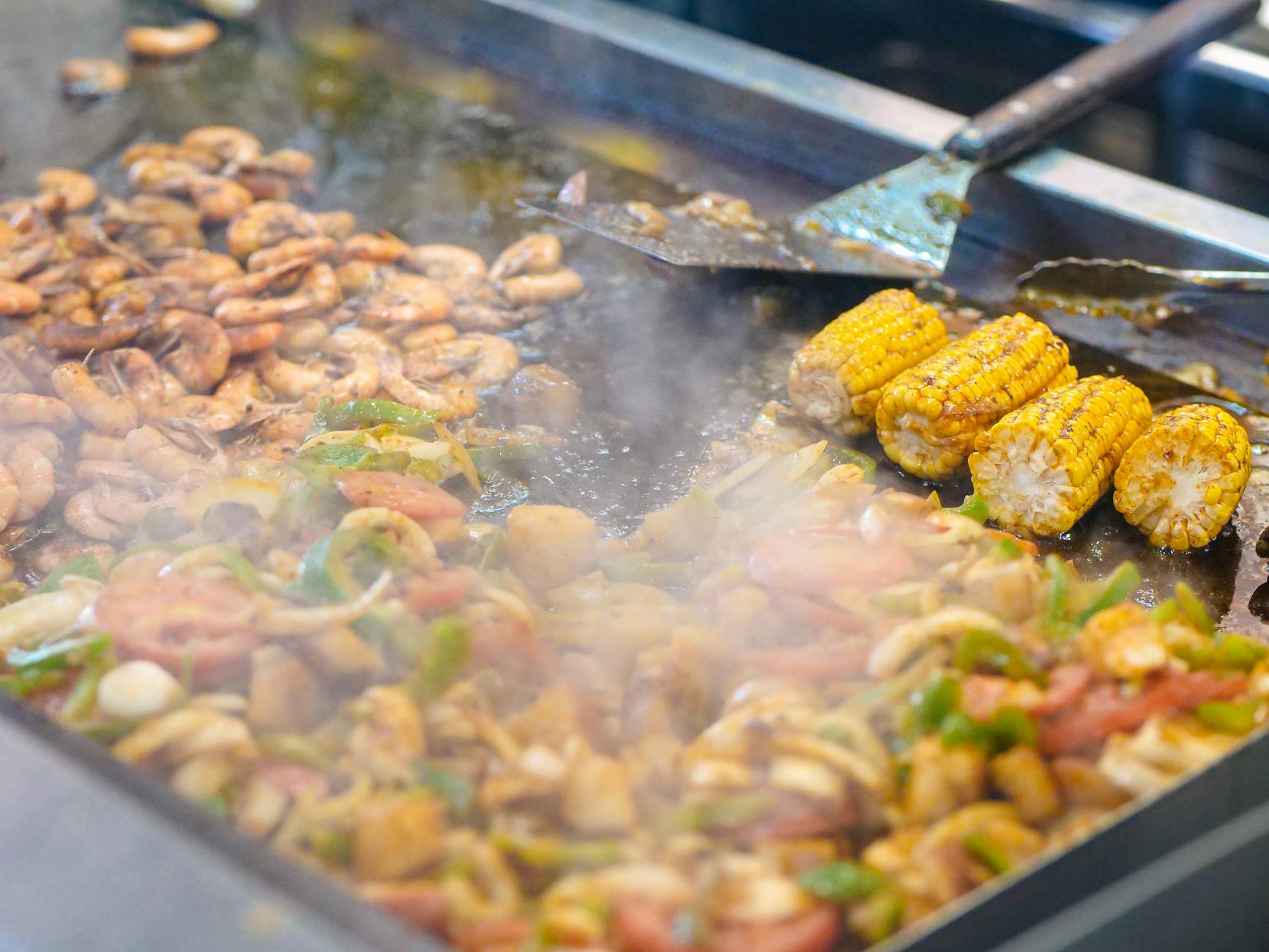
Char Kway Teow: Singapore’s Smoky Noodle You Can’t Replicate
Char kway teow—Singapore’s legendary wok-fried noodle dish—has left countless home cooks frustrated from Brooklyn to Brisbane for good reason. It’s not just noodles, soy sauce, and cockles. It’s that smoky, almost primal char born from industrial-strength heat, a technique called wok hei that turns simple ingredients into something extraordinary. Talk to any Singaporean expat, and they’ll say it: no matter how hard you try, hawker stall char kway teow is in a league of its own.
The Impossible Quest for Wok Hei: Why Home Kitchens Fall Short
Wok hei—meaning “breath of the wok” in Cantonese—is the ultimate goal of Asian stir-fry cooking. It’s what separates okay char kway teow from the unforgettable kind. That smoky, charred flavor happens at temperatures over 1,200°F, something your home stove just can’t handle.
Hawker stalls rely on massive carbon steel woks paired with gas burners so powerful they’d burn down most kitchens. Your stove might max out at 12,000 BTU; a hawker’s burner hits 40,000 BTU or more. It’s not about skill—it’s physics. Even the best home cook is up against an impossible equipment gap when trying to nail that smoky char.
The wok itself plays a role too. Years of seasoning create a polymerized non-stick surface that’s tougher and more heat-responsive than anything you can buy for your kitchen. The constant, intense use—flipping, high heat, endless motion—builds a patina that adds directly to that coveted wok hei flavor.
The Sacred Ingredients: Dark Soy, Cockles, and Precision Timing
Beyond the heat, char kway teow’s magic comes from its simple yet precise ingredients. Dark soy sauce—not the regular stuff—delivers deep caramel notes and umami richness. Kway teow (flat rice noodles) needs to be slightly stale, giving it the right texture to soak up heat and sauce without falling apart. Then there are the cockles: briny, delicate shellfish that infuse the dish with a hint of the sea.
Chinese sausage (lap cheong) brings richness and a touch of sweetness, while shrimp add more depth. Bean sprouts offer crunch, and chives finish it off with a fragrant touch. But here’s where hawker expertise shines: every ingredient has to hit the wok at exactly the right time. Noodles added too early clump together; cockles added too late turn tough. This timing—honed over thousands of woks—is where most home cooks trip up.
Dark soy sauce deserves a special mention. It’s nothing like the salty soy sauce in your pantry. Its thickness, deep flavor, and caramel notes come from long fermentation and aging. Swap it for regular soy, and you’re not making char kway teow—you’re making something entirely different.
Historical Context: From Teochew Origins to National Icon
Char kway teow started in Singapore’s Teochew immigrant communities in the early 1900s. Back then, it was a humble dish made from leftovers and noodles. Over time, it transformed into a national icon. After independence, Singapore turned street food into an art form, and char kway teow became its unofficial ambassador.
The dish’s journey reflects Singapore’s own story—rough beginnings polished into something extraordinary. By the 1990s, char kway teow wasn’t just street food anymore. It was a symbol of Singaporean culinary identity, with debates about the “best” stall as heated as arguments over football teams.
The Hawker Culture Factor: More Than Just Cooking
What makes hawker char kway teow untouchable isn’t just skill—it’s cultural instinct. These dishes are honed over decades by cooks who treat their craft like a calling. A master char kway teow maker doesn’t follow recipes; they rely on intuition forged through endless repetition.
They know their wok’s quirks, their burner’s nuances, their ingredients’ seasonal shifts. They sense when the heat’s just right, when the noodles need a flip, when to toss in each ingredient. This kind of knowledge can’t be taught, streamed, or written down.
While home cooks in London, Sydney, and San Francisco have managed decent char kway teow—and even some great ones—they’re fighting uphill battles with equipment, heat, and experience. The best solution? Head to Singapore’s hawker centers and taste the real deal. Your kitchen will be grateful.