Tokyo
Tokyo Bangkok
 Seoul
Seoul Singapore
Plant-Based Asian Food: Southeast Asia’s Vegetarian Revolution
Southeast Asia has quietly become the world’s most exciting test kitchen for plant-based food—and it’s nothing new. For centuries, Buddhist and Hindu traditions have perfected meat-free cooking across Thailand, Indonesia, Vietnam, and Malaysia. Now brands like Meat Zero Thailand and Green Rebel Indonesia are showing how plant-based Asian food isn’t just trendy—it’s coming home.
The Ancient Roots of Southeast Asian Vegetarianism
Long before “plant-based” became trendy, Southeast Asia had this figured out. Buddhist temples in Thailand, Cambodia, and Vietnam have kept strict vegetarian diets for over a thousand years. During Buddhist Lent—usually in October—even meat lovers switch to plant versions of their favorite dishes. This isn’t about missing out. It’s about flavor.
The region’s spice markets, coconut milk traditions, and fermentation methods create rich flavors that never needed meat. Rendang’s spice paste, satay’s peanut sauce, laksa’s umami broth—they all work perfectly without animal products. The difference now? These dishes are hitting the mainstream.
How Meat Zero Thailand and Green Rebel Indonesia Are Changing the Game
Meat Zero Thailand makes plant versions of Thai classics—crispy “fried chicken,” fragrant “fish” cakes, rich “duck” curries. They use old-school tofu techniques with modern food science to nail textures and flavors that satisfy meat eaters. Their plant-based rendang? Just as deep and caramelized as the original.
Green Rebel Indonesia takes another approach: spotlighting Indonesia’s amazing vegetables, nuts and legumes. Their vegan satay swaps peanut sauce for cashew cream. Their laksa packs mushrooms and tofu simmered in coconut milk. Both brands prove plant-based Asian food works best when it celebrates real flavors, not just imitates meat.
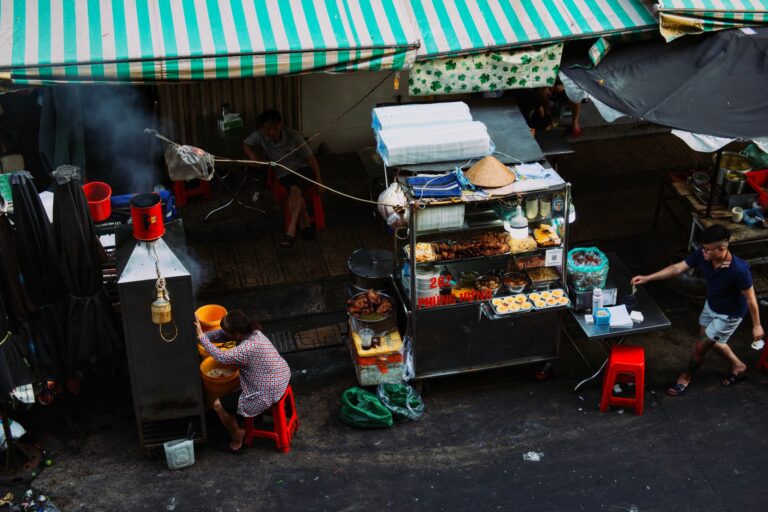
This isn’t fringe stuff anymore. You’ll find these products in regular restaurants, hawker stalls and supermarkets across Thailand and Indonesia. Bangkok’s food scene—already veg-friendly—now has full plant-based spots. Singapore’s hawker centers feature dedicated vegan stalls. It’s changing how people see Asian food worldwide.
The Global Asian Food Movement and Why It Matters
The plant-based Asian food boom reflects bigger shifts in global eating. Westerners finally get it—Southeast Asian flavors aren’t “exotic.” They’re sophisticated cooking systems. These plant-based versions aren’t knockoffs. They’re the real deal, made by cooks using family recipes passed down generations.
For vegetarians and vegans in the US, UK and Australia, this changes everything. Plant-based Asian restaurants offer what burger chains can’t—real depth and tradition. A vegan laksa isn’t second-best. It’s centuries of culinary wisdom in a bowl.
How to Cook Plant-Based Southeast Asian Food at Home
Good news: you don’t need fancy ingredients. For plant-based rendang, try oyster mushrooms or chickpeas with coconut milk, chilies, garlic and lemongrass. Satay? Blend cashews with tamarind, soy sauce and Thai chilies. Laksa shines with tofu, mushrooms and a coconut milk broth.
Technique beats protein every time. Toast your spices. Build flavor with pastes. Layer aromatics. Southeast Asian cooking has always been about maxing out flavor from plants—now that approach is getting its moment.
Plant-based Asian food isn’t just about what’s missing. It’s about culture, tradition and sustainability all coming together. Try these brands. Cook these dishes. See why Southeast Asia’s vegetarian roots deserve this spotlight.