Tokyo
Tokyo Bangkok
 Seoul
Seoul Singapore
Sichuan Peppercorn Guide: Mala Flavor Explained

In Chengdu, mapo tofu isn’t just restaurant food—it’s weeknight dinner. The secret weapon? Freshly ground Sichuan peppercorns, not chili oil. That tingling, electric buzz on your lips? That’s mala. It’s nothing like the heat Western cooks know.
Why Sichuan Peppercorns Aren’t Actually Peppercorns
Locals chuckle when foreigners expect these to taste like black pepper. They don’t. The buzz comes from hydroxy-alpha sanshool—a compound that tricks your nerves into feeling vibrations, not flavor. As a kid, chewing one raw made my mouth hum. That’s the goal. Here, mala isn’t measured by stomach burn, but by how thoroughly it numbs your tongue. Chongqing market vendors sell them by color: red Hanyuan ones (bigger, floral) versus green (citrusy, sharp). Most kitchens stock both. Reds shine in braises; greens punch up stir-fries.
Real Mala Isn’t Just Peppercorns
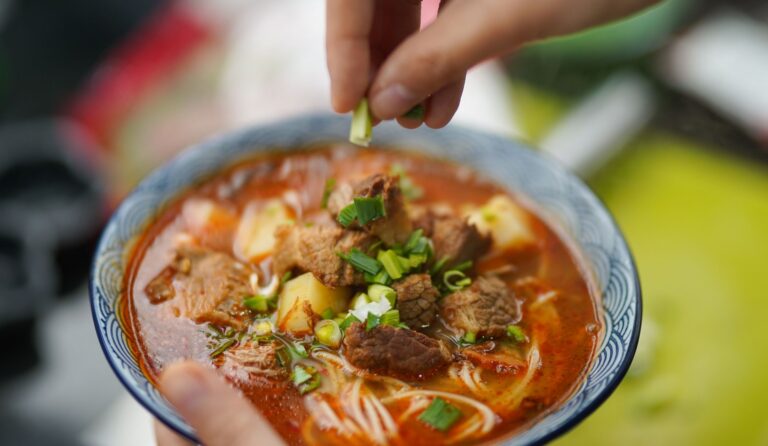
Mala means two things: numbing (ma) from peppercorns and heat (la) from chilies. In Chengdu homes, chili oil starts with toasting whole peppercorns until fragrant, then rough-grinding them with dried chilies and garlic. This isn’t a special-occasion thing—it’s weekly prep for noodles, eggs, everything. The trick? Always toast first. Raw ones taste bitter; toasted ones get woody and floral, turning the numbness clean, not harsh. At Chongqing street stalls, chuan sauce bowls pack two teaspoons of ground peppercorn each. Normal here. The buzz should make you reach for water, realize it’s useless, then keep eating.
Sichuan Peppercorns Where You Least Expect Them
Beyond mapo tofu, they pop up in unexpected places. Think bitter melon stir-fried with just garlic, black beans, and ground peppercorns—no chilies. The numbing tames the bitterness. Chengdu street snacks? Peppercorn salt on fried fish skin or popcorn. Toast, grind, mix with salt, sprinkle. For beginners: buy whole, toast yourself (pre-ground goes stale fast). Start with one teaspoon per serving. You can add more, but you can’t undo the buzz. The art is balancing it—enough to lift other flavors, not crush them.
Pro tip: Skip supermarket jars. Get whole red Sichuan peppercorns from a Chinese grocer. Toast dry for two minutes until aromatic, grind fresh, and use. That one step—toasting—turns flat bitterness into the real, humming mala Sichuan food deserves.