Tokyo
Tokyo Bangkok
 Seoul
Seoul Singapore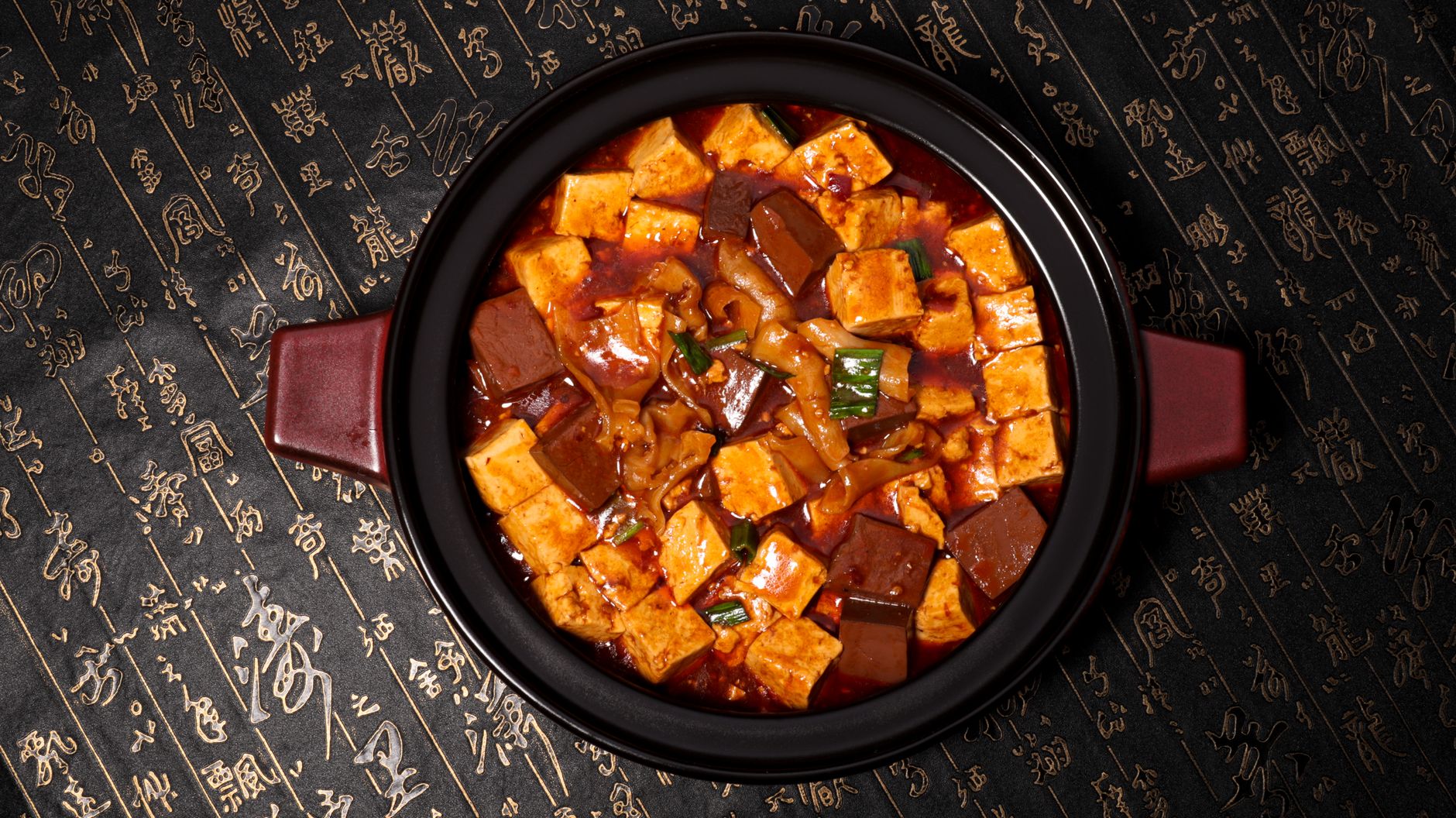
Mapo Tofu: Sichuan’s Addictive Numbing Spice Dish Explained

Why Can’t You Stop Eating Mapo Tofu?
That tingling buzz on your lips after the first bite? That’s mala—Sichuan’s signature numbing spice that hooks people hard. Mapo tofu looks simple: silken tofu, minced pork, and chili oil. But it’s one of China’s top five most famous dishes worldwide, even if most eaters don’t get why it makes their mouth feel like this.
The Science Behind That Weird, Wonderful Numbness
Mala means “numbing-spicy”—and it’s a full-body experience. The heat comes from dried chilis. The numbness? Sichuan peppercorns. They contain hydroxy-alpha sanshool, a compound that tricks your tongue’s touch receptors instead of taste buds. It’s like your mouth got lightly electrocuted, but in a good way.
Sichuan peppercorns have been used for 3,000 years, but scientists only figured out how they work in the 1990s. Paired with chili heat in mapo tofu, they create something you can’t stop eating—even when your nose starts running.
The Three Things That Make or Break Mapo Tofu
First: doubanjiang. This fermented bean paste is Sichuan’s flavor backbone, adding deep umami to balance the fire. Without it, you’re just eating spicy tofu.
Second: silken tofu. The wobbly kind that falls apart if you stare at it too hard. It soaks up all that spiced oil like a flavor sponge.
Third: fresh Sichuan peppercorns. Pre-ground ones are sad and weak. Toast whole peppercorns yourself—they should smell like a citrusy lightning storm.
How to Cook It Without Turning It to Mush
Start by frying doubanjiang with garlic and ginger until it smells like your kitchen could kill vampires. Brown the pork fast—overcooked bits ruin the texture. Add stock, then slide in tofu cubes like you’re handling raw eggs.
Toast peppercorns separately, crush them roughly, and mix into chili oil. Stir in a cornstarch slurry last to thicken everything. Done right, it takes 15 minutes. Any longer and your tofu becomes soup.
Why People Either Love It or Run Screaming
Mapo tofu doesn’t care if you’re ready. It’s loud, proud, and makes zero apologies. Some call it aggressive. Sichuan locals think most versions outside China are way too tame.
That’s the point. This dish refuses to change. Whether from a Chengdu alley or your stovetop, real mapo tofu grabs you by the taste buds and doesn’t let go.
Want the real deal? Get fresh peppercorns, good doubanjiang, and the softest tofu you can find. Then join the millions who keep eating it long after their lips go numb.