Tokyo
Tokyo Bangkok
 Seoul
Seoul Singapore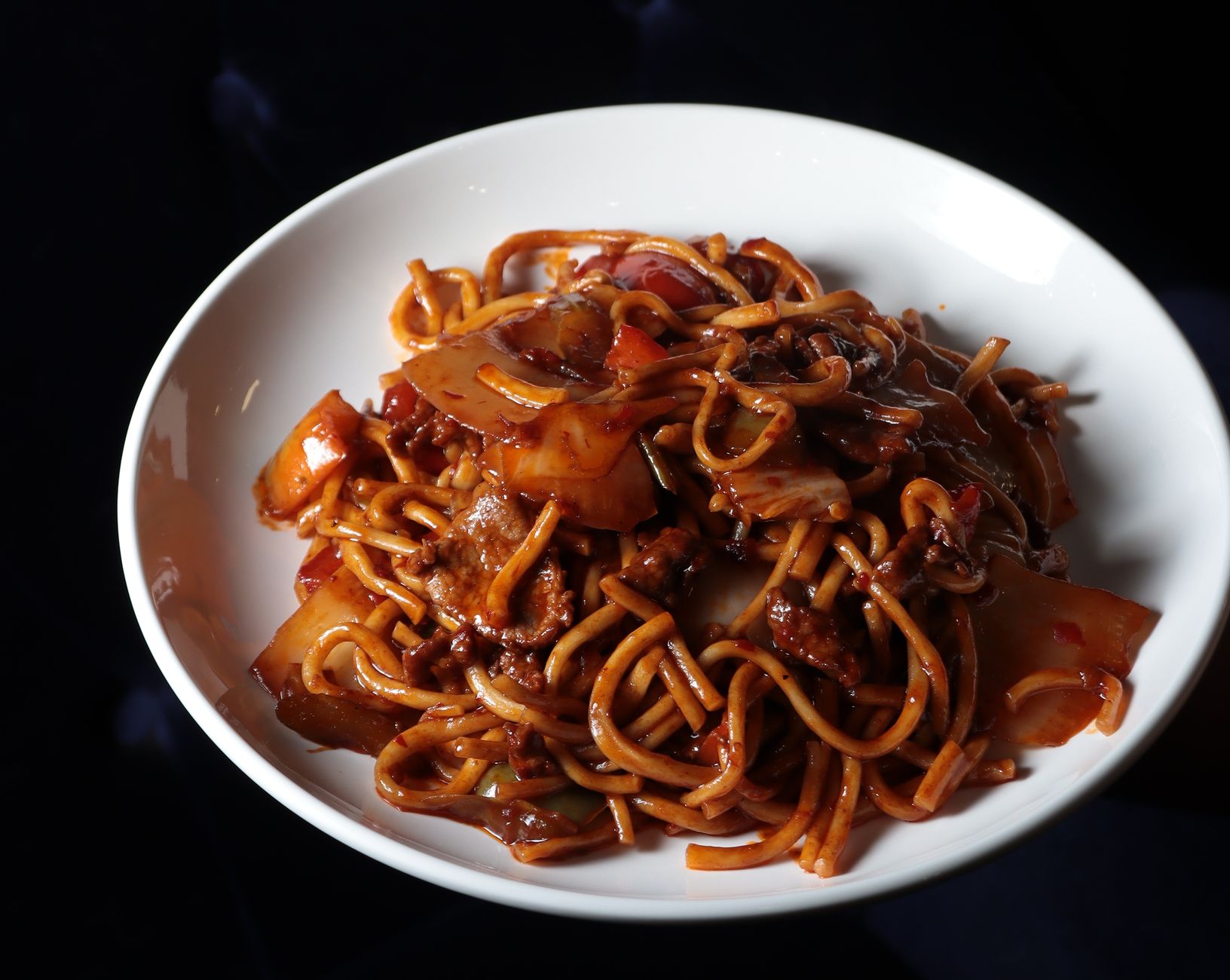
Lo Mein: Regional Variations and Kitchen Techniques

In Shanghai, lo mein isn’t fancy restaurant food—it’s Tuesday night dinner when you’re staring at leftover veggies and need something fast. The dish that shows up in lunchboxes, the one your grandma taught you, the cheap meal that feeds a crowd. Lo mein sits right in the sweet spot of Chinese cooking: easy enough for tired weeknights, deep enough to get better each time you make it, and varied enough that your version won’t match the one from the next town over.
The North-South Split in Noodle Character
Geography shapes lo mein more than anything. Down in Guangdong, they use skinny egg noodles that soak up sauce fast—you’ll find these in Cantonese spots across Hong Kong and southern China. The noodles almost glide on your tongue, and cooks keep them moving fast to avoid clumps. Up north near Beijing? Thick wheat noodles rule, built to handle rough treatment and longer cooking. Sichuan does things differently: chili oil and peppercorns turn the sauce fiery, often with funky bean paste in the mix. The noodles here tend to be wider, better for gripping all that bold flavor. What ties it all together isn’t ingredients—it’s the wok skills that stay the same no matter where you are.
The Wok Technique That Changes Everything
Here’s where most lo mein goes wrong: people treat it like spaghetti. They boil noodles separately, drain them bone-dry, then try to Frankenstein everything back together. Real lo mein happens in one wok, step by step. Start with garlic, ginger, maybe scallions sizzling in oil. Toss in your meat and veggies, cook them most of the way. Then add noodles straight from boiling—still damp, that’s key. The leftover water helps create a light, clingy sauce when it hits the hot wok. Splash in soy sauce, maybe oyster sauce or broth, and keep everything moving. Three minutes max once the noodles go in. You want coated strands, not a soup. Heat matters. Too low, and you’ll steam the noodles. Too high, and they’ll weld themselves to the pan. Most home stoves do best at medium-high—no need to replicate restaurant jet-engine temps.
Why Lo Mein Belongs in Your Regular Rotation
Lo mein sticks around because it doesn’t care what you throw at it. Chicken and bok choy? Sure. Shrimp with mushrooms? Works great. Leftover roast pork and sad carrots? Now it’s lo mein. The sauce stays simple—mostly soy, a hit of oyster sauce, sesame oil, garlic—but the rest shifts with seasons and fridge cleanouts. That’s why it’s actual weeknight food, not some aspirational project. No special shopping, no strict rules. Just take what you’ve got, use solid technique, and end up with something that tastes like you meant to make it. That’s why it’s in lunchboxes across China, why families cook it twice a month, why it matters more than any menu item. Lo mein teaches you to cook by feel, not measuring cups.
If you learn one noodle dish, make it this. Grab fresh egg noodles from an Asian market, heat your wok right, and practice the flip. Get this down, and you’ll handle stir-fries, chow fun, and more—it’s all about how noodles react to heat and how sauce should dress them, not drown them.