Tokyo
Tokyo Bangkok
 Seoul
Seoul Singapore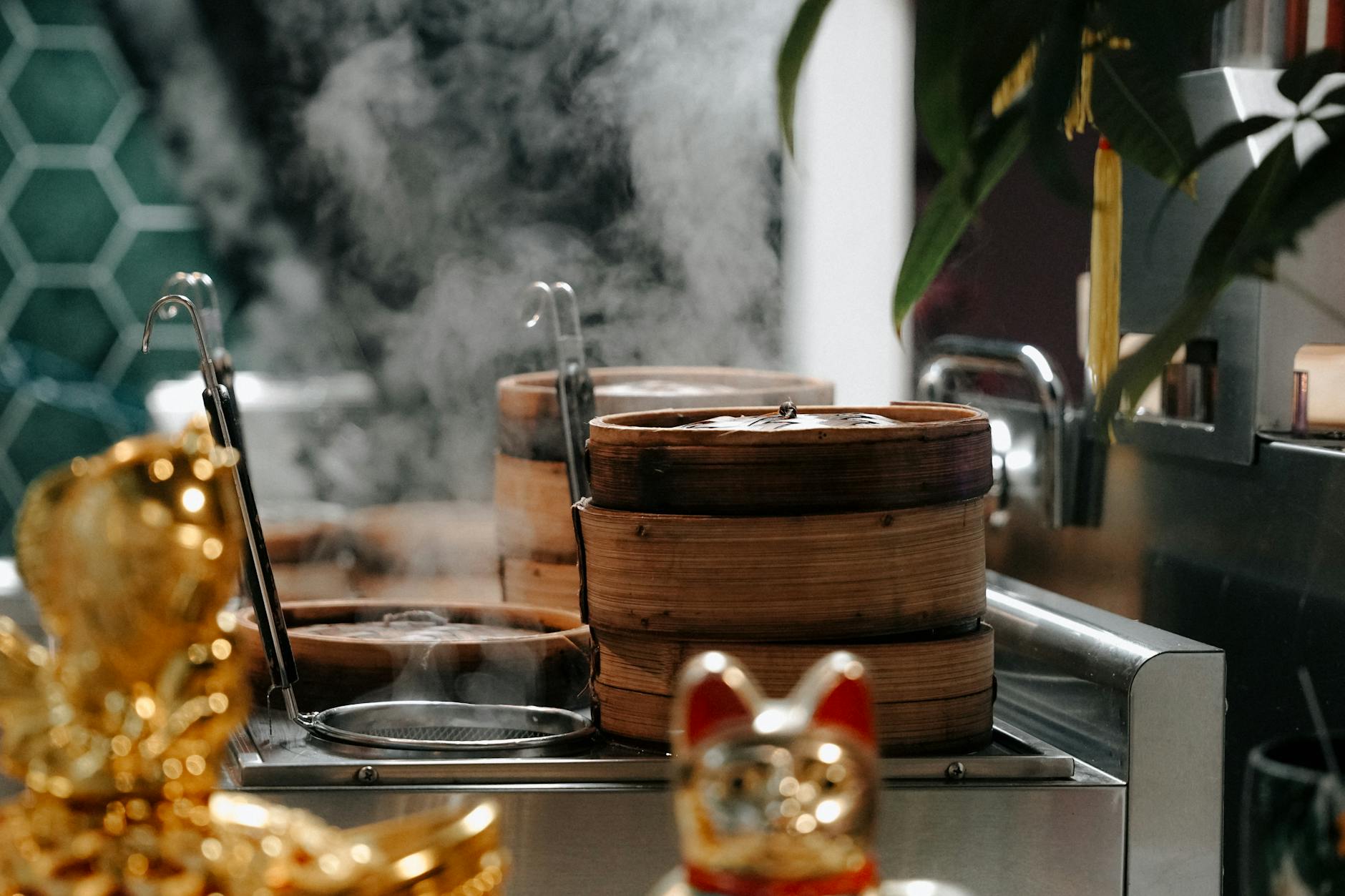
Chinese Dim Sum Guide: History, Etiquette & Must-Try Dishes

Chinese Dim Sum: A Guide to Yum Cha Culture
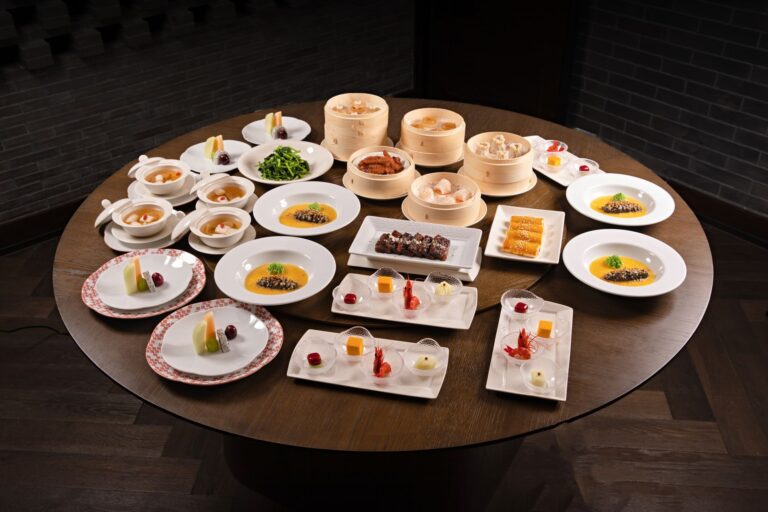
Picture this: a packed dim sum joint on Saturday morning. Steam rises from carts weaving between tables, carrying bamboo baskets of dumplings. The air smells like soy sauce and fried dough. This isn’t just breakfast—it’s a centuries-old ritual where food brings people together. Whether you’re new to dim sum or know your har gow from your siu mai, here’s what makes yum cha special.
How Dim Sum Became a Tradition
The name “dim sum” translates to “touch the heart”—and that’s exactly what these small plates do. It started during China’s Tang Dynasty, but really took off in Guangdong tea houses. Traveling Silk Road merchants would stop for tea and snacks. Over time, those quick bites turned into an elaborate meal.
Hong Kong restaurants refined dim sum in the 1900s. As Chinese communities grew worldwide, they brought yum cha culture with them. Now you’ll find dim sum everywhere from San Francisco to Sydney. It’s more than food—it’s about connection, passed down through generations.
Yum Cha Etiquette: The Basics
Knowing a few customs makes the experience better. Here’s what matters:
Tea first: Pour for others before yourself. Two finger taps on the table means “thanks.” Leave some room in the cup—no one likes a spill.
Cart protocol: It’s fine to say no to dishes rolling by. Just wave politely. If you take something, it stays at your table.
Paying up: Servers track your meal by stacking plates. Don’t rearrange them. In Western spots, leave 10-15% tip.
Chopstick rules: Never stick them upright in rice—that’s for funerals. Lay them across your bowl instead.
Dim Sum Dishes Worth Trying
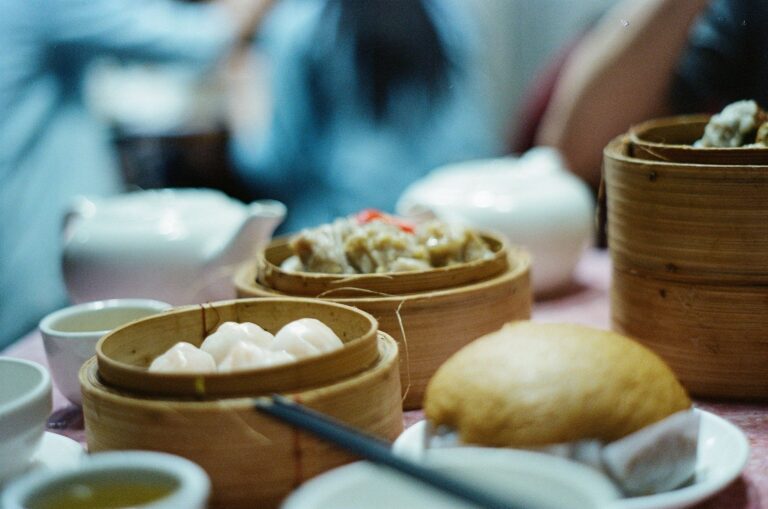
Har Gow (Shrimp Dumplings): The ultimate test of a dim sum kitchen. Perfect versions have thin, slightly chewy wrappers with whole shrimp inside.
Siu Mai (Pork Dumplings): Little open-topped bundles of pork and shrimp, often topped with orange fish roe. Impossible to eat just one.
Char Siu Bao (BBQ Pork Buns): Fluffy white buns hiding sweet-salty pork. The ultimate comfort food.
Cheung Fun (Rice Noodle Rolls): Slippery rice sheets wrapped around shrimp or beef, drizzled with soy sauce. Simple but satisfying.
Taro Croquettes: Crispy outside, creamy inside. These show off dim sum’s sweet-savory magic.
Chicken Feet: Braised until tender in black bean sauce. Don’t knock it till you try it.
Making the Most of Dim Sum
Weekend mornings are prime time—go early for the freshest baskets. Bring friends so you can try more dishes. Tea isn’t just tradition; it cuts through rich flavors. And be bold. That weird-looking dumpling might surprise you.
More Than Just a Meal
Dim sum connects you to Cantonese history with every bite. It’s about sharing food, stories, and time together. Next time you hear carts rattling by, dig in—you’re part of something bigger.