Tokyo
Tokyo Bangkok
 Seoul
Seoul Singapore
Osaka Street Food Guide: 12 Must-Eat Dishes in Japan’s Kitchen
Tokyo grabs Japan’s food headlines, but Osaka is where the real street food magic happens. Packed with over 8,000 stalls, this no-nonsense city turns simple ingredients into legendary bites that shape how Japan eats. Missing Osaka on a food trip? Bad move.
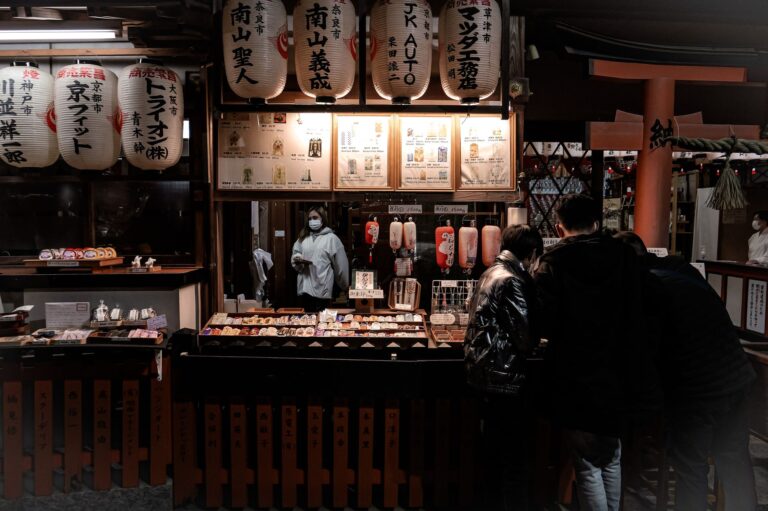
They call it “kuidaore”—meaning “eat until you collapse”—and that says everything about Osaka’s food attitude. Forget Kyoto’s fancy kaiseki or Tokyo’s star-chasing. Here, it’s all about big flavors, heaping plates, and eating shoulder-to-shoulder with strangers. Street food isn’t just a snack here—it’s the whole show.
More Than Just Takoyaki: Osaka’s Street Food Stars
Sure, takoyaki was born here, but that’s just the start. Okonomiyaki—those messy, glorious cabbage pancakes—show how Osaka does food: democratic and delicious. Hit up Okonomiyaki Village in Shinsekai to watch masters work their griddles like they’ve done for decades.
Then there’s kushikatsu. Skewered, fried, perfect. Meat, veggies, seafood—all golden-crisp and begging for a sauce dip. The rule? One dunk only. Break it, and you’ll get looks. It’s as much about respect as flavor.
Speaking of takoyaki, skip the tourist traps. Find the specialists who flip those balls with military precision—crisp outside, molten inside, packed with real octopus. Watch the bonito flakes shimmy from the heat.
Conveyor Belt Sushi? Thank Osaka
In 1984, Osaka invented kaiten sushi, bringing good fish to the masses. Today’s spots range from cheap chains to slick counters with chefs who know their stuff. No reservations, no fuss—just grab what looks good as it rolls by.
Tsuruhashi Fugetsu in Dotonbori turns sushi into theater. Chefs shout orders, regulars chat up newcomers—it’s dinner and a show. You’re not just eating; you’re part of the action.
Ramen, Tongue, and Midnight Feasts
Osaka ramen plays by its own rules. Think pork-bone broth so rich it sticks to your ribs, with skinny noodles that slurp easy. Shinsekai’s old-school shops still make noodles by hand—daily.
Gyutan (beef tongue) proves Osaka eats fearlessly. Charred just right, chewy-tender, usually with miso and pickles. One bite explains why it’s an obsession.
Keep an eye out for okra tempura, mochi-stuffed takoyaki, fish-shaped taiyaki, yakitori skewers, crispy tatsutaage, and scallion-packed negiyaki. Each tells part of Osaka’s story.
Eat Like You Live Here
Dotonbori’s great for spectacle, but prices match. For the real deal, prowl Shinsekai’s backstreets or Tenjinbashi near Okonomiyaki Village.
Time it right: many top spots open late, feeding night owls and off-shift workers. Cash is king. Expect crowds, shared tables, and maybe new friends. Osaka eats best when it’s loud and a little chaotic.
This is Japanese food culture stripped bare—serious skills, zero pretense. Tokyo’s polish meets blue-collar grit, and the result is unforgettable.
Osaka’s 12 must-try bites aren’t just food; they’re the city’s soul on a plate. No Michelin nonsense here—just pure, belly-hugging joy. Ready to eat your way through Japan’s true food capital?