Tokyo
Tokyo Bangkok
 Seoul
Seoul Singapore
10 Healthiest Asian Street Foods: Nutrition You Actually Want
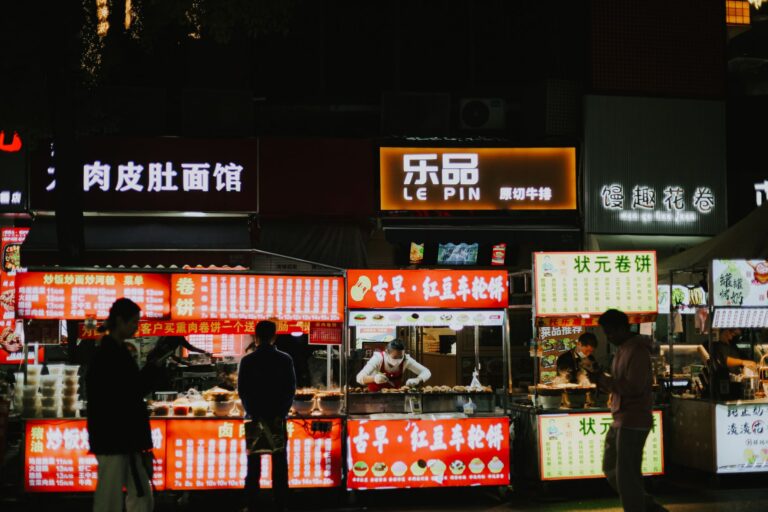
In Ho Chi Minh City’s Ben Thanh Market, street food vendors work at lightning speed—so fast that most tourists don’t notice why goi cuon rolls vanish by noon. These rolls pack enough nutrients to keep you going all day. It’s no accident. Asian street food grew from necessity, feeding workers and travelers with ingredients that deliver energy without sluggishness. The outcome? Some of the healthiest fast food on the planet, served right on the sidewalks of Bangkok, Hanoi, and Singapore.
Why Goi Cuon Became Vietnam’s Protein Powerhouse
Vietnamese spring rolls (goi cuon) took shape during French colonial times, blending French salad ideas with local flavors. The magic’s in the filling: shrimp or tofu, fresh herbs like mint and cilantro, lettuce, and rice noodles. One roll has about 5-7 grams of protein but stays under 100 calories. The veggies and herbs are the real stars—cilantro might help detox heavy metals, while mint soothes digestion. In Hanoi’s Old Quarter, vendors make them fresh all day, so the produce is often picked that morning. Peanut sauce adds healthy fats, but you can skip it for lime and chili if you prefer.
Congee: Why This Breakfast Staple Became a Medical Food
Congee (called zhou or cháo) began as peasant food, stretching rice with water and scraps of protein. But traditional healers—and now science—agree: it’s healing. Slow cooking breaks rice into easy-to-digest carbs, perfect for recovery or upset stomachs. Street stalls in Shanghai and Guangzhou top it with century egg, pork, or mushrooms, boosting B vitamins and minerals. A bowl runs 150-200 calories, with carbs for lasting energy. The beauty? You choose how light or hearty to make it. Broths simmer for hours, pulling out collagen and minerals good for joints and gut health.
Edamame and the Soybean’s Unexpected Comeback
Edamame (young soybeans) have been a fixture at Japanese street stalls for ages, but only recently caught on globally. Vendors knew the secret: a small cup gives you 11 grams of protein, 8 grams of fiber, and almost no fat—all for 95 calories. They’re boiled and salted, sometimes with garlic or seaweed. Shelling them slows you down, helping you feel full faster. In Tokyo’s Shinjuku or Osaka’s markets, they’re a standard snack, not a trend. Packed with isoflavones and all nine essential amino acids, they’re a rare complete plant protein.
Here’s the thing: these foods weren’t designed to be “healthy.” They just worked—keeping people fed, satisfied, and nourished for generations. If you spot them at a market, try them fresh. You’ll see why they’ve stuck around.