Tokyo
Tokyo Bangkok
 Seoul
Seoul Singapore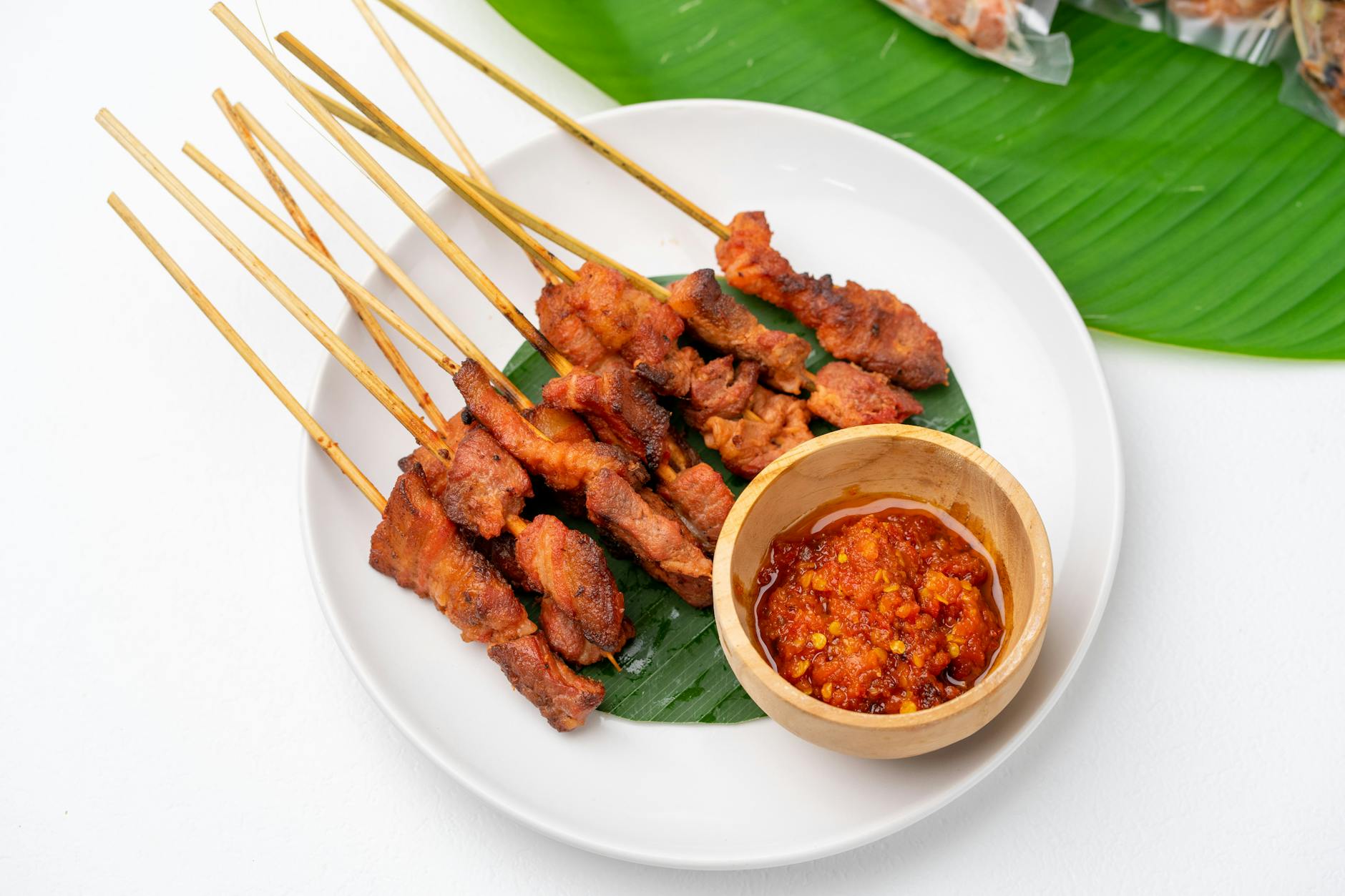
Balinese Food and Hindu Ritual: How Ceremonies Shape What You Eat
At 5 a.m., in a compound near Ubud, Ketut assembles rice, fruit, and flowers into small palm-leaf baskets. Her hands move swiftly, almost instinctively, through the ritual. These aren’t just decorations. They’re offerings—canang sari—destined for her family’s shrine, the kitchen, the entrance to their home. What happens to these offerings determines what her family eats for breakfast.
In Bali, food isn’t just about nourishment. It’s a dialogue between the physical and spiritual worlds, and that dialogue unfolds three times a day.
Offerings Aren’t Separate From Cooking—They’re Part of It
Canang sari—those small woven baskets filled with rice, flowers, and sometimes fried snacks—are everywhere in Bali. You’ll spot them on temple steps, doorways, even car dashboards. Tourists often snap photos, treating them as decorations. But they’re the backbone of Balinese food culture.
Each offering is made with purpose. White rice symbolizes purity. Colored rice—dyed with turmeric, coconut, or other natural sources—addresses specific spiritual needs. Fruit, incense, and flowers change depending on the ceremony. When a family prepares offerings, they’re deciding what ingredients matter that day—and those ingredients often end up in the meal that follows.
This isn’t waste or empty ritual. After the offering’s spiritual essence is received—usually after a few hours—the physical food is eaten. A family might make canang sari with banana and sticky rice, leave it at the shrine, then use that banana and rice for lunch. Nothing is thrown away. The practice weaves resourcefulness into everyday cooking.
A good Balinese meal reflects this logic: it uses what was offered, wastes nothing, and tastes better because it’s made with care. Bad versions—the kind served to tourists at resorts—skip this step entirely. They’re just food. The difference is subtle but unmistakable.
Where to See This Happen: Markets and Family Meals, Not Restaurants
To grasp Balinese food culture, skip the cooking classes. Head to Pasar Badung in Denpasar at dawn, or the smaller Pasar Ubud. Watch what women buy and how they arrange their baskets. You’ll notice them picking specific flowers, certain cuts of meat, exact amounts of rice—not for looks, but for the ceremony ahead.
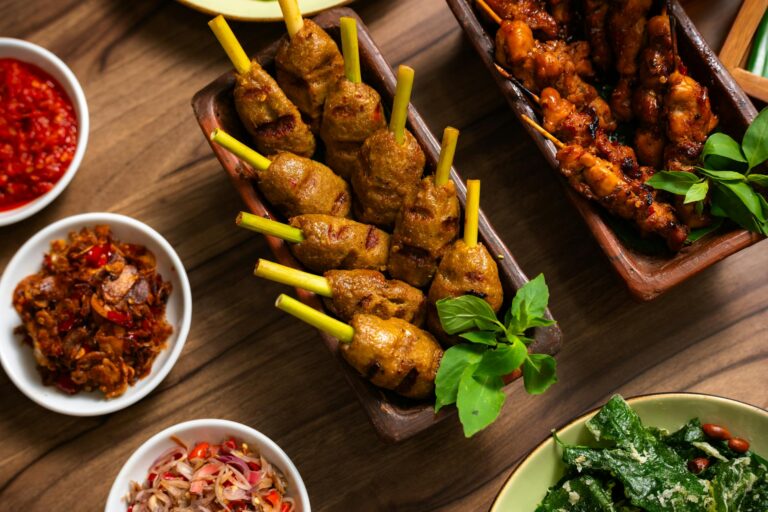
The best way to experience this food is to join a family compound during Odalan (a temple anniversary) or Nyepi (the Balinese new year). These aren’t tourist events. They’re genuine ceremonies where food—lawar, satay, spiced rice cakes, coconut curries—is prepared according to spiritual rules. The food tastes different because it’s made for more than just hunger.
If you can’t attend a private ceremony, temple restaurants near major temples in Ubud and Sanur sometimes serve food prepared for offerings. Ask directly. Most owners will explain what’s available and its significance.
The Honest Truth: Food Rules Are Strict, and Tourists Usually Don’t Know Them
Balinese Hinduism has clear rules about which foods suit which ceremonies, who can eat certain dishes, and when. Pork is common in daily meals but off-limits during certain observances. Chicken prepared one way works for offerings; prepared another, it doesn’t. These details matter deeply to families and temples, but they’re invisible to outsiders.
Most Western visitors eat Balinese food without understanding these layers. They taste satay and see just grilled meat. They don’t realize the recipe, the timing of preparation, and who cooks it are all shaped by spiritual practice. This isn’t a critique—it’s just the reality of being a visitor. But it’s worth knowing that every meal in Bali is filtered through a belief system that goes beyond flavor.
The food isn’t less authentic if you don’t grasp the ceremony. But it becomes far more interesting once you do.
What to Do Next
Seek out a warung (small restaurant) run by a family, not a business, and ask the owner to explain what they’re cooking that day and why. Inquire about ceremonies, offerings, which ingredients suit which occasions. Most will gladly share. Then order whatever they suggest. You’ll taste the difference between food made as routine and food made as practice.