Tokyo
Tokyo Bangkok
 Seoul
Seoul Singapore
Korean Fried Chicken: Origins, Variations, and Where to Eat It
Korean fried chicken is not a traditional dish. It emerged in the 1960s as a direct result of American military presence and local ingredient adaptation, yet it has become so embedded in Korean food culture that most people assume it dates back centuries. The defining characteristic is the double-frying technique—first at lower temperature to cook through, then at high temperature for crackling crispness—combined with thin, crispy batter and finishing sauces that range from sweet soy-garlic to fiery gochujang-based coatings. Unlike American fried chicken, which prioritizes seasoned flour, Korean fried chicken prioritizes the sauce as an integral component, not a side element.
Origins and History
Korean fried chicken’s origin story is inseparable from the Korean War and its aftermath. American soldiers stationed in South Korea introduced fried chicken to the peninsula in the 1950s, but Korean entrepreneurs adapted the technique rather than replicate it. The first documented fried chicken restaurants appeared in Seoul during the 1960s, with establishments like Chickenway (opened 1991, though predecessors existed earlier) claiming pioneering status. However, the true explosion occurred in the 1980s and 1990s when South Korea’s economic growth coincided with chicken becoming affordable protein.
The innovation wasn’t just copying American technique—it was the double-frying method combined with distinctly Korean flavor profiles. Korean cooks incorporated gochugaru (red chili flakes), gochujang (fermented chili paste), and soy sauce reductions, creating sauces that neither American fried chicken nor Asian poultry dishes resembled. By the 2000s, fried chicken became so culturally dominant that South Korea now consumes approximately 24.8 kg of chicken per person annually, with fried chicken accounting for a significant portion. Today, the industry generates an estimated $5 billion in annual revenue, with over 60,000 fried chicken restaurants nationwide.
Regional Variations
Seoul: The capital represents the innovation epicenter. Gangnam and Hongdae neighborhoods pioneered fusion variations—including cheese-stuffed varieties, drizzled with honey and butter, or coated in black garlic sauce. Seoul’s fried chicken reflects the city’s obsession with trends; soy garlic (dakgangjeong) remains the classic preparation, but establishments constantly experiment with Korean-Chinese fusion, spicy mayo finishes, and even truffle oil applications. The city’s competition is fierce, driving constant variation.
Busan: Korea’s second-largest city developed a reputation for spicier preparations. Busan-style fried chicken emphasizes more aggressive use of gochugaru and fresh chilies, reflecting the region’s bolder flavor preferences. The coastal city also incorporates seafood elements—some restaurants dust chicken with seaweed powder or serve it with pickled squid sides. Busan’s fried chicken culture centers on pojangmacha (street tent) and casual pojangmacha delivery, making it more street-food oriented than Seoul’s commercialized restaurant scene.
Daejeon: The central city serves as a middle ground—less experimental than Seoul, less spice-forward than Busan. Daejeon’s fried chicken reflects working-class consumption patterns; portions tend larger, prices lower, and preparations more straightforward (focusing on honey butter and soy garlic rather than avant-garde variations). The city’s proximity to agricultural regions means fresher chicken sourcing and more seasonal variation in side dishes.
What Makes Great Korean Fried Chicken
The Double-Fry Method: Temperature precision is non-negotiable. First fry at 160-165°C for 8-12 minutes (depending on piece size) until cooked through but pale. The second fry at 180-190°C for 2-3 minutes shatters the exterior into a glass-like crackle. Poor restaurants skip this or use inconsistent temperatures, resulting in greasy or soggy chicken.
Batter Composition: Korean fried chicken batter uses potato starch mixed with wheat flour (typically 50/50 or 60/40 ratio), creating a thinner, crisper coating than American fried chicken’s heavier flour-based batters. Some premium establishments add egg white and soda water for extra airiness. The batter should adhere thinly, not create a thick shell.
Sauce Integration: The sauce isn’t added post-frying; it’s tossed immediately while chicken is hot, allowing the coating to absorb flavors while maintaining crispness. Soy-garlic sauce typically combines soy sauce, minced garlic, sugar, and gochugaru. Gochujang-based sauces add fermented chili paste, honey, and butter. The best versions balance heat, sweetness, umami, and texture without making chicken soggy.
Chicken Quality: Surprisingly, Korean restaurants often prefer frozen chicken (imported or domestically frozen) over fresh, as frozen chicken’s cellular structure breaks down predictably, creating more tender meat. Hormone-free, antibiotic-free chicken is increasingly standard in premium establishments.
The Counterintuitive Fact: Beer is essential to Korean fried chicken culture—not as optional pairing, but as cultural requirement. Chimaek (fried chicken + beer) is a distinct eating category, not fried chicken eaten with beer. Restaurants optimize for this combination, often serving beer-temperature cold to contrast hot, fatty chicken.
Where to Try Korean Fried Chicken: City by City
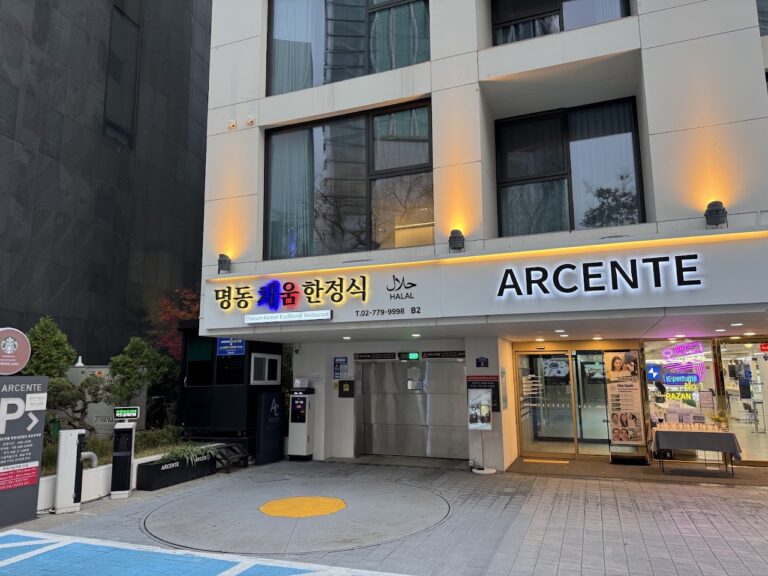
Seoul: Visit Gangnam’s dense chicken alley near Dosan Park or Apgujeong Station for maximum variety. Bonchon (global chain originating from Busan but with strong Seoul presence) offers reliable soy-garlic and spicy preparations. For experimental versions, Hongdae’s independent restaurants constantly rotate seasonal specials. Myeongdong’s street carts provide casual quick-service versions. Mid-range establishment Nene Chicken maintains strong quality standards across multiple Seoul locations.
Busan: The Jungang-dong neighborhood houses Busan’s most competitive fried chicken scene. Visit Busanjin Market area for casual pojangmacha chicken served with banchan (side dishes) and instant delivery. Haeundae district’s beachfront restaurants serve fried chicken with seafood-forward preparations. Busan’s original Bonchon location (opened 1992 in Nampo-dong) maintains historical significance.
Daejeon: Sudeoksa Temple area and nearby Boeun County represent rural/temple-adjacent chicken preparations using local, often organic chicken. Central Daejeon’s Dunsan district has growing casual chains. The city prioritizes portion size and value over novelty.
Price Guide
Seoul: 12,000-18,000 KRW ($9-14 USD) for basic soy-garlic; 15,000-22,000 KRW for specialty variations. Premium/fusion restaurants reach 25,000-35,000 KRW. Half-chicken servings cost less than full chickens.
Busan: Slightly cheaper than Seoul: 10,000-15,000 KRW ($7.50-11 USD) for standard preparations. Pojangmacha versions cost 8,000-12,000 KRW.
Daejeon: Most economical: 9,000-14,000 KRW ($7-10.50 USD) for comparable portions and quality.
Delivery (banchan included) typically adds 3,000-5,000 KRW; pre-orders sometimes offer 10% discounts.
Korean fried chicken transformed from post-war cultural borrowing into a distinct culinary identity—a rare case where a nation’s food culture didn’t reject foreign influence but metabolized it into something uniquely national.