Tokyo
Tokyo Bangkok
 Seoul
Seoul Singapore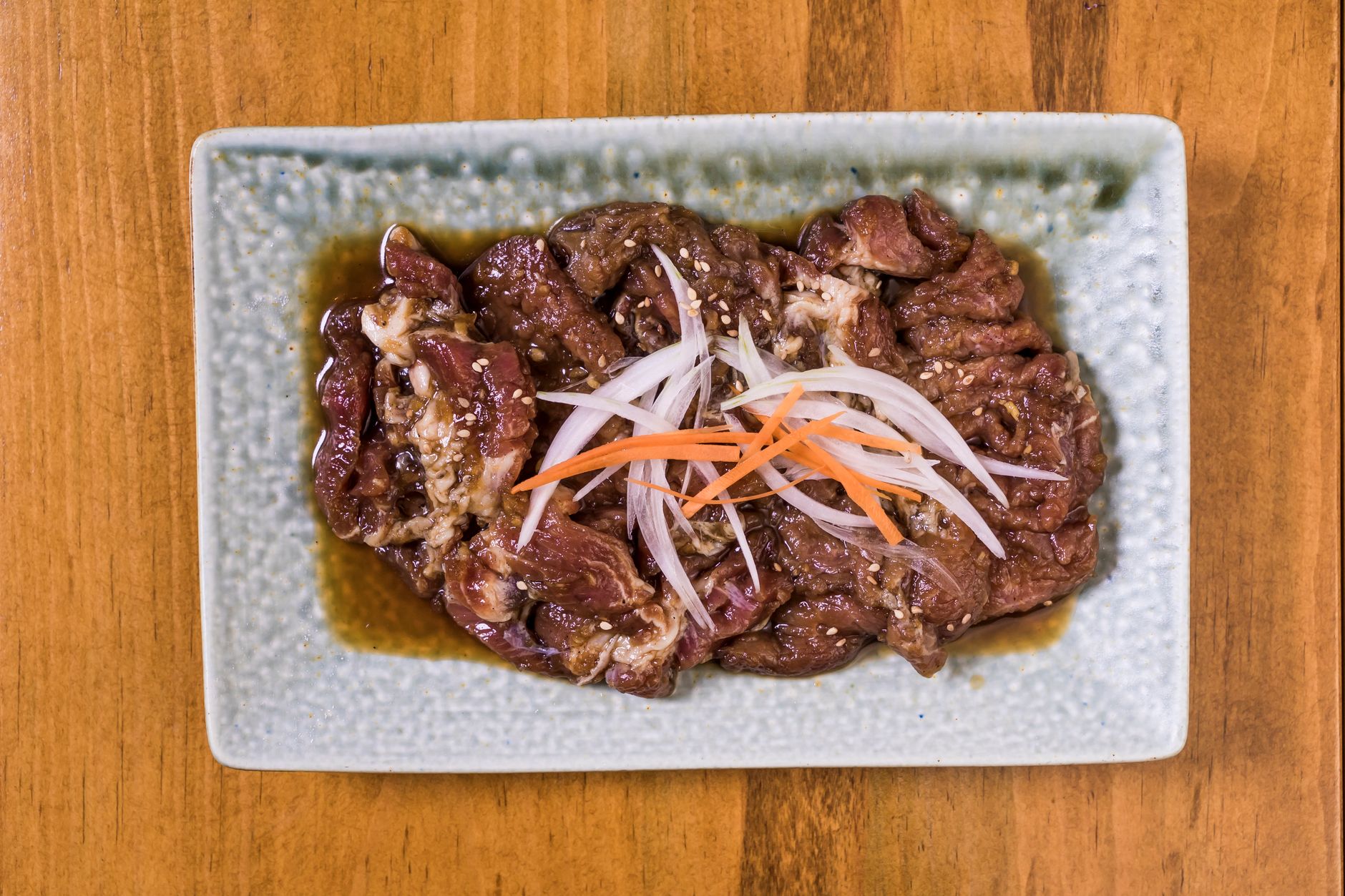
Bulgogi: Korean Beef That Puts Western BBQ to Shame
Bulgogi isn’t fussy. It’s marinated beef, cooked hot and fast—the good stuff tastes like a skilled cook decided to feed you well. Bad bulgogi? That’s just sad beef drowning in worse marinade. You haven’t really tried it yet.
Bulgogi Is Grilled Beef, Not a Metaphor for Fusion
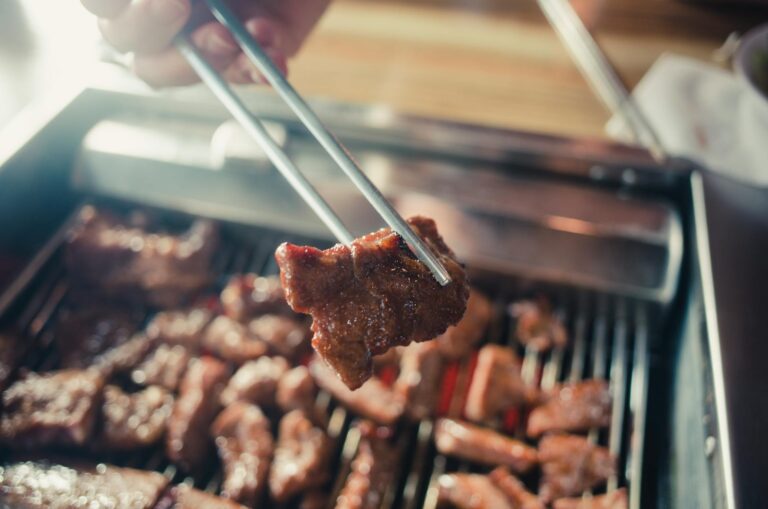
Here’s the deal: thin slices of sirloin, ribeye, or brisket soaked in soy sauce, sugar, sesame oil, garlic, and pear, then blasted over charcoal or a tabletop grill. The marinade does the heavy lifting. Sugar caramelizes, pear tenderizes, sesame oil deepens the flavor. Done right, it’s charred yet tender, sweet but savory. Bad versions taste like soy sauce accidents. Good ones taste inevitable—like beef’s destiny.
It showed up in the 1960s and 70s when Korean restaurants jumped on the table-grilling trend. Not ancient. Just practical. And really damn good.
Seoul vs. Busan: Where Regional Variations Actually Exist
Seoul’s bulgogi leans sweet—more sugar, darker caramelization. Busan, the salty port city, goes lighter on sugar and heavier on garlic and sesame. There, it’s often grilled over charcoal near the harbor, like the sea air’s part of the recipe. Neither’s better. Just different.
In the US or UK? Hunt down a Korean spot that takes meat seriously. If they can’t explain their marinade without buzzwords, walk. Try **Aburiya Toranoko** in New York or **Goro** in London—they get it. Australians, hit **Kko Kko** in Melbourne: sizzling meat, balanced marinade, zero pretension.
The Thing Nobody Tells You: Bulgogi Is Theater, and That’s the Point
The magic isn’t just the recipe—it’s the ritual. Bulgogi’s meant to be cooked at your table. Raw beef, marinade, a little grill. You do the work, surrounded by people you like, eating it straight off the heat. Skip that, and you’re missing the point. Like champagne served in a teacup.
Eat it right: wrap the meat in lettuce with garlic, gochujang, and rice. Use your hands. Be loud. Order seconds. This isn’t a quiet dinner. It’s a party where you’re the chef.
Also: that $15 bulgogi from a strip-mall cart? Often beats the $45 version at some trendy spot. One’s made by someone who’s done it for 15 years. The other’s made for Instagram. Pick wisely.
One Thing to Do Right Now
Find a Korean place with table grills—not plates. Call first to check. Go on a weeknight when it’s slow. Order bulgogi, cook it yourself, watch the sugar hit the grill. That sizzle? That’s bulgogi. The rest is just beef.