Tokyo
Tokyo Bangkok
 Seoul
Seoul Singapore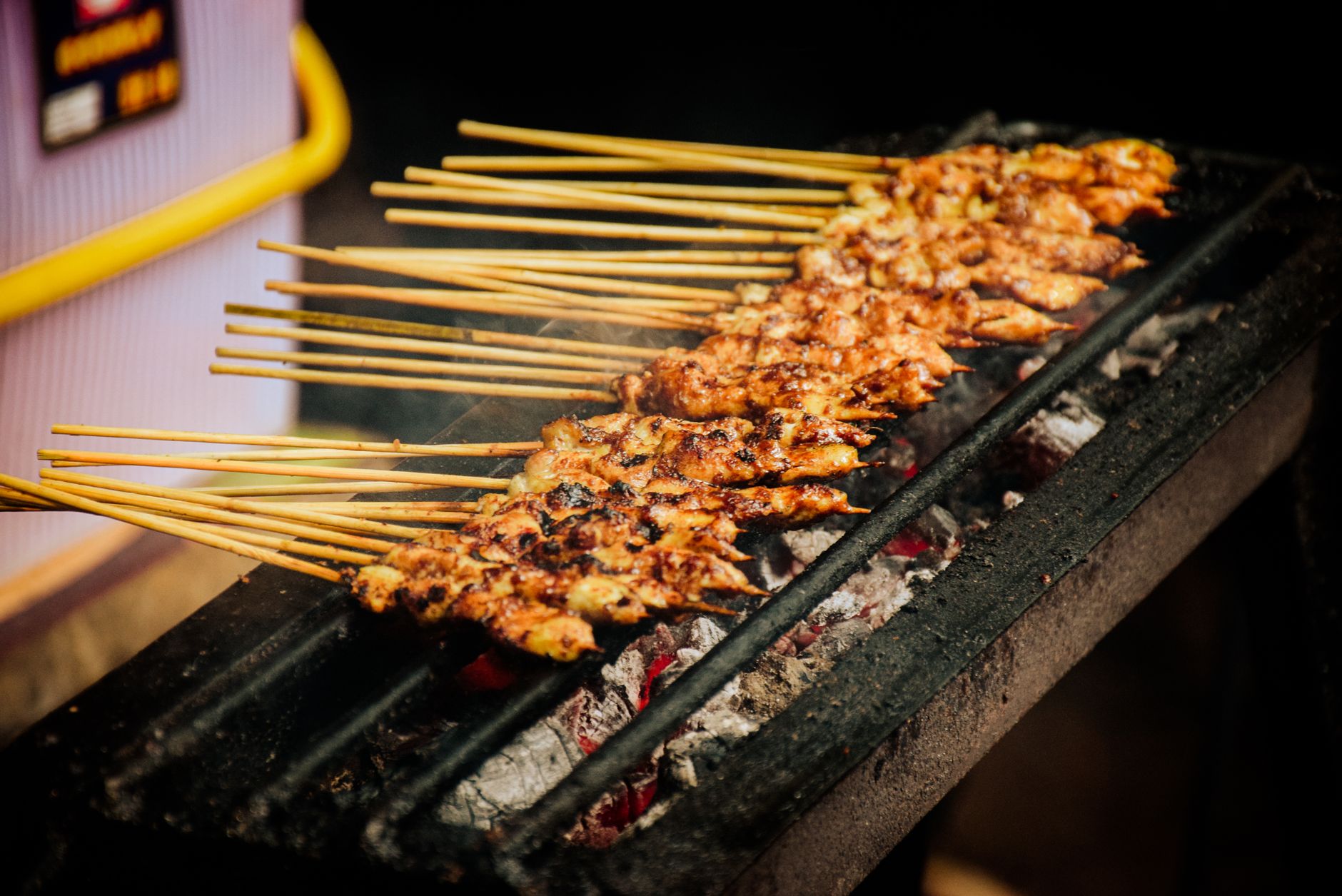
Satay: Origins, Variations, and Where to Eat It
Satay is grilled meat skewers served with peanut sauce—the dish that’s become the heart of Southeast Asia’s street food scene. Whether you’re grabbing it from a night market in Bali or a hawker stall in Kuala Lumpur, satay is a mix of Islamic, Hindu, Chinese, and Dutch colonial flavors. But don’t think it’s all the same. The meat changes—chicken, beef, goat, seafood—and so does the marinade. Even the peanut sauce sparks debates across regions.
Origins and History
Where satay started is still up for debate—Indonesia and Malaysia both claim it. It likely popped up across the Malay archipelago in the 15th and 16th centuries. Food historians point to Muslim traders and migrants from India and the Middle East, who tweaked kebab techniques with local ingredients. The name probably comes from the Malay word “sate,” which might have roots in the Tamil word “satai.”
One thing’s clear: satay became a big deal in Javanese and Malay court cuisines before hitting the streets. By the Dutch colonial period (17th-20th centuries), it was so ingrained that the Dutch adopted it too. They even called it “saté,” a term that stuck.
The real game-changer was the peanut sauce. Grilled meat on sticks wasn’t new, but pairing it with a sauce made from roasted peanuts, galangal, garlic, chilies, and tamarind? That’s what made satay stand out. This sauce likely came from Central Java around the 18th century.
Regional Variations
Javanese Satay is the classic: chicken or beef marinated in turmeric, coriander, and galangal, grilled over charcoal. The peanut sauce here is smoother, with tamarind for tang and palm sugar for richness. Satay from Surakarta (Solo) and Yogyakarta is especially prized.
Malaysian Satay leans toward beef or mutton, with a thinner, spicier peanut sauce. Penang-style satay often uses candlenuts (kemiri) in the sauce, making it thicker and earthier. Some Malaysian versions skip the peanut sauce entirely, opting for a spicy gravy instead.
Balinese Satay often features pork—a rarity in Muslim-majority Indonesia. It’s simpler than Javanese satay, with less fussy marinades but a bold, smoky char.
Singaporean Satay is the most standardized, thanks to hawker stalls. It’s usually chicken with a peanut sauce that balances sweet and spicy. This is satay at its most commercial.
Here’s a twist: the peanut sauce might be a colonial-era invention. Some historians say satay originally came with no sauce or just a salt dip. The rich peanut sauce we know today could have been a way to stretch ingredients during Dutch rule.
What Makes a Great Satay
Great satay comes down to three things: the meat, the marinade, and the sauce.
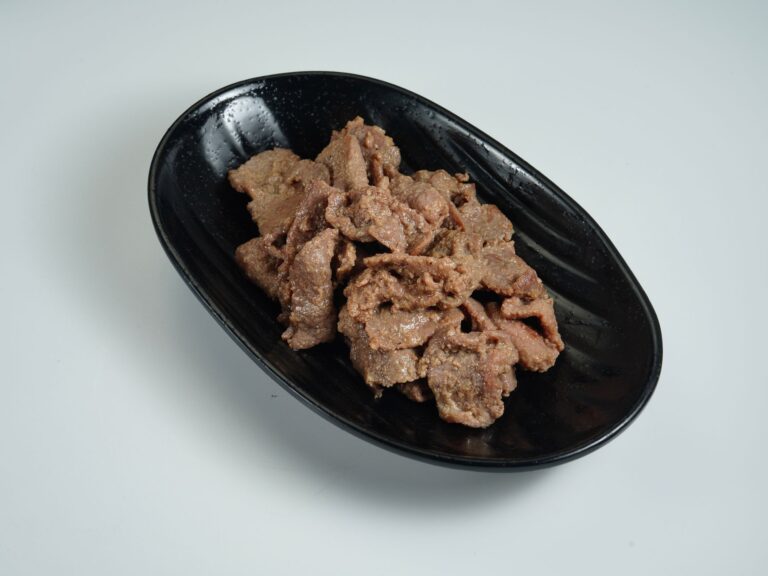
The Meat: Cut against the grain into thin strips, about 1/4 inch thick. Skewer it tightly so it doesn’t spin while grilling. For chicken satay, older birds taste better than young broilers. Beef satay works best with tougher cuts like brisket or flank, which soften in the marinade.
The Marinade: Turmeric for color, garlic for punch, ginger and galangal for aroma, shallots for sweetness, and chilies for heat. Let it soak into the meat for at least 2 hours—overnight is ideal. Coconut milk or oil keeps the meat moist while grilling.
The Peanut Sauce: Start with freshly roasted peanuts, not peanut butter. The sauce should be thick but pourable, balancing salty, sweet, spicy, and sour (from tamarind or lime). A good sauce lets the spices shine, with peanuts holding it all together.
Grilling is key. High heat (charcoal is best) chars the outside while keeping the meat juicy inside. Low heat or steaming? That’s how you end up with bland, pale satay. The char adds depth that no marinade can match.
Where to Try Satay: City by City
Bali: Hit the night markets in Ubud’s central market (Pasar Ubud) or along Monkey Forest Road for pork satay, which you won’t find elsewhere in Indonesia. For a more polished version, check out warung (small restaurants) in Seminyak and Canggu, like Karma Kafe or spots near Pererenan Beach. Expect thin sauces and heavy charring. Price: 30,000-50,000 IDR per skewer.
Kuala Lumpur: Satay Celup (satay fondue) is a local specialty around Bukit Bintang and Jalan Alor. The Satay House on Jalan Alor is a go-to, where you cook skewers in communal pots of peanut sauce. For traditional satay, head to hawker stalls around Petaling Street or Chow Kit Market. Expect beef or chicken with leaner, spicier sauces. Price: 2-4 MYR per skewer.
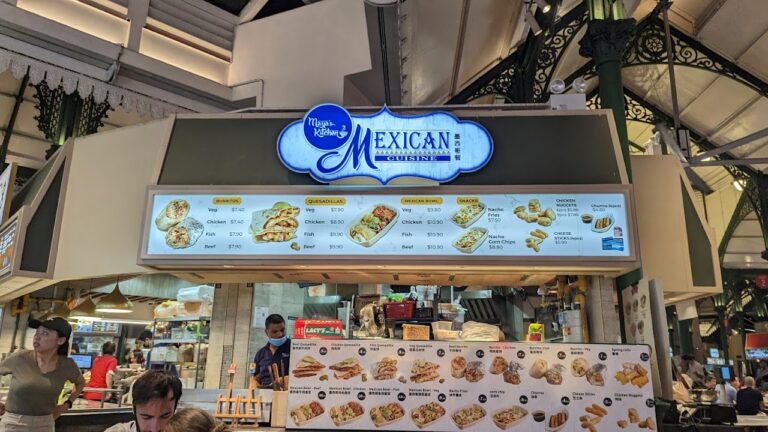
Singapore: The Satay Club at the Singapore Food Festival is a highlight, but Lau Pa Sat near Raffles Place offers reliable satay year-round. The stalls here are consistent—maybe not groundbreaking, but always well-made. The peanut sauce leans sweet. Price: 4-6 SGD per skewer.
Price Guide
Satay stays cheap, even at tourist spots. In Bali, it’s 30,000-50,000 IDR (about $2-3 USD). In Kuala Lumpur, 2-4 MYR ($0.50-1 USD). In Singapore, 4-6 SGD ($3-4.50 USD). Upscale restaurants charge more, often triple or quadruple. Most stalls sell skewers in sets of 5 or 10.
Satay’s proof that simple street food—grilled meat on sticks—can be something special. It’s Southeast Asia’s most portable, shareable, and iconic dish.